Meme Warfare & Digital Diplomacy: The Dangers of Online Geopolitics
Memes of Mass Destruction: Why Waging War and Diplomacy Online is a Dangerous Game
Let’s be real for a second. The internet was supposed to be for two things: arguing with strangers about pineapple on pizza and looking at cats. Somewhere along the line, though, the people with the missile codes got their hands on the Wi-Fi password, and digital diplomacy has gotten… weird. What happens when the art of diplomacy, a delicate dance of nuance and tact, gets replaced by the online equivalent of a spitball fight in the world of geopolitics?
You get meme warfare. And spoiler alert: it’s as dumb and dangerous as it sounds.
The Rise of Meme Diplomacy: From LOLs to Geopolitical Tools
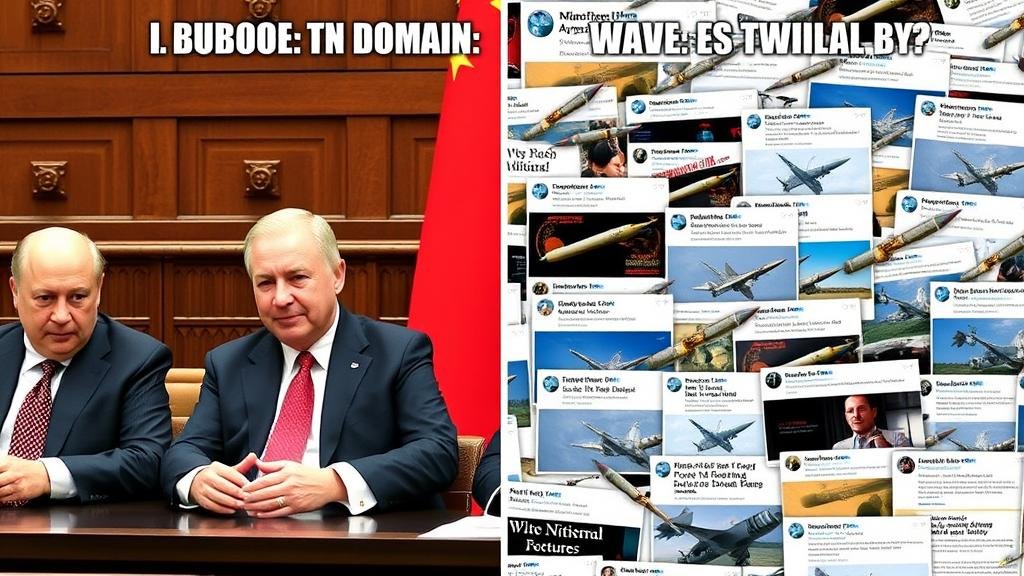
I remember when government social media, or Twiplomacy, was just painfully staged photos of politicians planting trees. It was boring, sure, but it was also harmless. Now, scrolling through official state accounts is like walking into a high school cafeteria where the cliques have access to nuclear weapons. Instead of thoughtful statements, we get nations trolling each other with the subtlety of a sledgehammer.
Case in point: An Iranian news agency apparently posted a “cutesy infographic for a missile.” Let that sink in. A weapon designed for mass destruction was packaged and presented like a new iPhone drop. At what point did we decide that existential threats should be… adorable? My 7-year-old draws cuter pictures, and his are usually of dinosaurs with laser eyes, which, frankly, feels less threatening.
Memes are cheap, they spread faster than office gossip, and they bypass any sort of fact-checking. For a regime looking to stir the pot, they’re the perfect online propaganda machine: a low-cost, high-impact way to demonize enemies and make their own population feel perpetually aggrieved.
The Dangers of Oversimplification: When Nuance is Lost in a JPEG
Here’s the thing about memes: they work because they’re simple. But foreign policy is the opposite of simple. It’s a tangled mess of history, culture, and economic interests that makes assembling IKEA furniture in the dark look like child’s play. The field of international relations is complex, and memes just don’t capture that.
Memes strip all that away. A centuries-old border dispute becomes a “Distracted Boyfriend” meme. A complex trade agreement is reduced to the “Chad vs. Virgin” template. As a Cracked.com article so beautifully put it, in this new world:
“Foreign diplomacy is indistinguishable from a Reddit page.”
*cue dramatic pause*
This isn’t just bad communication; it’s a recipe for global catastrophe. A joke that lands perfectly in one country can be a declaration of war in another. Suddenly, world peace hinges on whether some dude in a ministry office has a good sense of humor. And yes, this will be on the test.
The Fuel of Misinformation and Disinformation
The internet is already a dumpster fire of bad information and misinformation. (Hot take, I know.) It’s the place where your uncle learned that birds aren’t real and the moon landing was faked. Now, imagine state-sponsored troll farms—which I picture as dark rooms full of people mainlining espresso and churning out ‘Angry Wojak’ memes about trade tariffs—pumping this garbage into the geopolitical bloodstream.
A well-timed, emotionally charged meme can convince millions that an attack is imminent or that their leader has been disrespected. This creates a feedback loop of outrage that can push politicians toward a cliff’s edge they never intended to approach. It’s like trying to have a rational argument while someone screams in your ear and shows you pictures of crying eagles. Good luck with that.
The Escalation Ladder in the Digital Age: From Memes to Missiles?
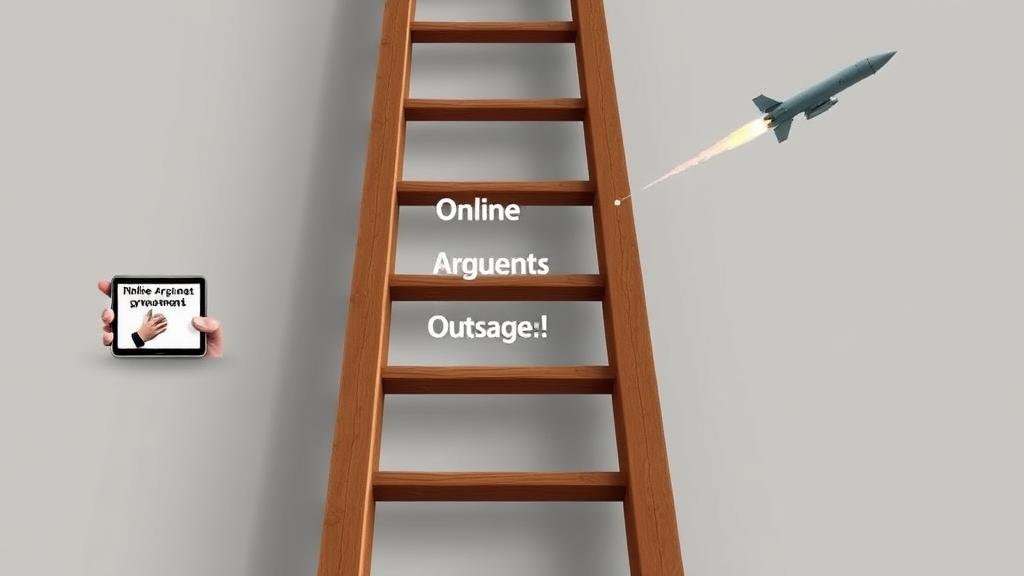
It’s tempting to laugh this off as kids playing on the internet. But online trash talk has a nasty habit of spilling into the real world. This is not just meme warfare, it is a form of cyber warfare. It’s the international relations equivalent of “I know you are, but what am I?” shouted across a border until someone finally picks up a rock.
When a country casually posts a cartoon of its latest missile, they’re not just sharing content. They’re normalizing war. They’re desensitizing their own people—and us—to the absolute horror of conflict, turning it into just another viral moment. This isn’t me being dramatic (for once). This is a terrifying slide toward real-world consequences, where the line between online posturing and actual intent becomes dangerously blurry.
The Erosion of Diplomatic Norms and Institutions
Remember when diplomacy was all stuffy rooms, hushed tones, and people in suits looking vaguely constipated? Ah, the good old days. It was boring, but that was the point. Those norms were built over centuries to stop people from doing stupid, impulsive things.
Meme warfare takes a sledgehammer to that entire structure. The thoughtful language of a diplomatic cable is replaced with a “savage clapback.” The solemnity of a summit is traded for the fleeting thrill of a “dank meme.” When the grown-ups who are supposed to be talking nicely start acting like gamers in a toxic online lobby, the rest of us should be very, very worried. The whole system relies on credible information and responsible dialogue, not who has the spiciest meme game.
Conclusion: Beyond the Meme – The Need for a Return to Responsible Statecraft
So, where does that leave us? Floating in a sea of poorly-Photoshopped JPEGs and geopolitical anxiety, that’s where.
Conducting foreign policy by meme isn’t 4D chess; it’s checkers played with live grenades. It’s a sign of profound recklessness, not strength. As citizens of the internet and the world, we have to demand better from the people in charge. We need a return to responsible statecraft—the boring, tedious, and incredibly important work of actual diplomacy.
And for the love of all that is holy, we have to start treating memes like what they are: jokes, not battle plans. Because the fate of the world shouldn’t depend on whether a picture of a Shiba Inu gets enough retweets. You feel me?