Billionaire-Funded Child Investment Accounts: A Cheat Code for Generational Wealth?
In a development that has my savings account questioning its life choices, a group of billionaires is partnering with the government to boost the financial futures of children. This isn’t a fairy tale; it’s a new trend in catalytic philanthropy, where private fortunes are channeled into public programs for child investment accounts.
So, what really happens when billionaire wealth meets public policy? Let’s dive in.

The Billionaire Bet on Child Savings
The most notable example features tech billionaire Michael Dell and his wife, Susan, who have committed a staggering $6.25 billion to a federal initiative for investment for kids. Dubbed “Trump Accounts” by some, these are designed to be a form of long-term investing.
This massive contribution will provide an initial $250 deposit for 25 million children under ten. The goal is to encourage families, especially those who find saving a challenge, to contribute to these accounts. The long-term vision is that these small seeds will grow into significant financial assets, empowering young adults to achieve their financial goals, whether that’s buying a home, funding their education, or starting a business. This is a direct strategy for building wealth from an early age.

How Do These “Trump Accounts” Work?
The concept, officially known as a child development account, has been praised by policy experts for years as a powerful tool to combat wealth inequality.
Here’s the breakdown: an investment account is opened for every child, seeded with a deposit from the government or a private donor. This account functions like a supercharged savings account, benefiting from compound interest and additional contributions from family and friends. The ultimate aim is to create a substantial fund for major life expenses, contributing to generational wealth.
This represents the most ambitious version of this idea in the U.S. to date. While some cities and states have experimented with similar programs, a federal initiative backed by billionaire philanthropists takes it to a new level.

A New Era of Philanthropy?
The Dells’ involvement is a prime example of catalytic philanthropy. Instead of creating their own charitable programs, donors are using their funds to amplify the social impact of public policies.
The advantage of this public-private partnership is clear: it leverages existing government infrastructure, reducing overhead and maximizing the impact of every dollar. However, it also raises important questions about influence and control. As billionaires take a more active role in funding public programs, there are concerns that a small number of wealthy individuals could have an outsized say in policy decisions.
Can This Strategy Reduce Wealth Inequality?
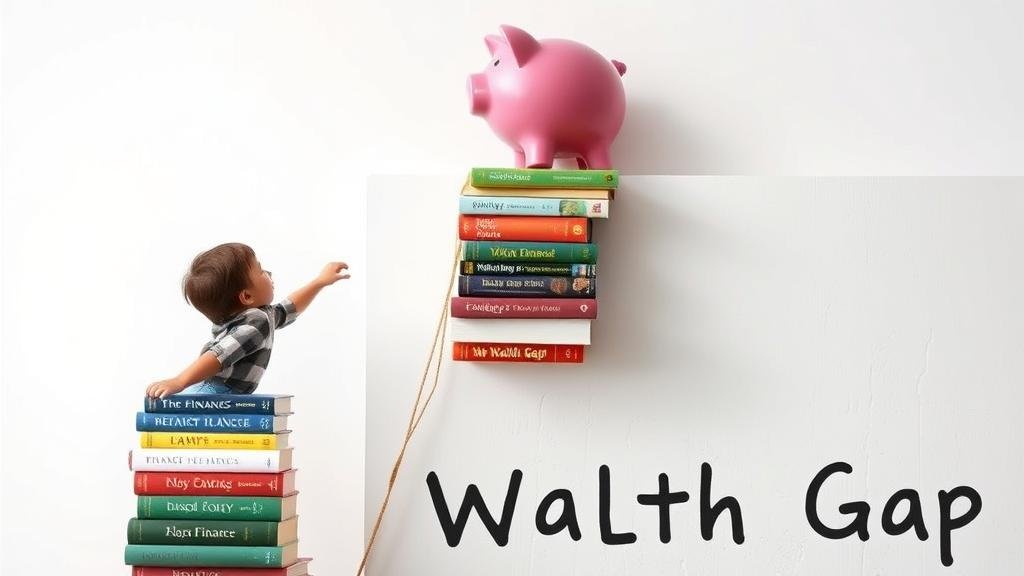
A primary motivation for these accounts is their potential to close the vast wealth gap. For many families, accumulating wealth is an uphill battle.
Child investment accounts offer a direct solution by providing every child with a financial asset from birth, potentially breaking the cycle of poverty. Thanks to the power of compound interest, that initial $250 can grow into a significant sum over 18 years, improving financial literacy along the way.
Research from the Urban Institute supports this, showing that a child with even a small college savings account is three times more likely to attend college and four times more inore likely to graduate. This demonstrates that having a dedicated savings vehicle can profoundly impact a child’s future prospects.
What’s Next?
This collaboration between billionaires and the government could signal a new direction for addressing social challenges, especially as public funds become more limited.
The success of this program could inspire a wave of similar philanthropic investments across the country. However, it’s essential to ensure that these partnerships remain focused on the public good.
While these accounts are not a cure-all for wealth inequality, they represent a promising and innovative step toward a more equitable future.