The Next Fed Chair? Why Trump’s Pick, Kevin Hassett, Has Economists Talking
Ah, the Federal Reserve. The institution whose name alone can make your eyes glaze over faster than a donut on a Krispy Kreme conveyor belt. It controls interest rates, influences the economy, and generally does important, complicated stuff while the rest of us are busy trying to figure out which streaming service has the show we want to watch.
That’s why, when President Trump casually name-dropped his former advisor Kevin Hassett as a potential Jerome Powell replacement for current Fed Chair, the financial world collectively spat out its coffee. This isn’t just a casting change in a C-SPAN drama; it’s a potential plot twist that could affect your mortgage, your savings, and the price of that aforementioned coffee. Many now see Hassett as a frontrunner in the Fed chair race.
So, who is this guy, what’s the beef with the current chair, and should we be stocking up on canned goods? Let’s dive in.
Who Is Kevin Hassett? (Hint: Not a New Marvel Character)
Kevin Hassett is not, as my 7-year-old might guess, the name of a new villain in the next Avengers movie. He’s an economist with a Ph.D. and a resume longer than a CVS receipt, having served as the Chairman of the Council of Economic Advisers (CEA) in the Trump administration. He also headed the National Economic Council.
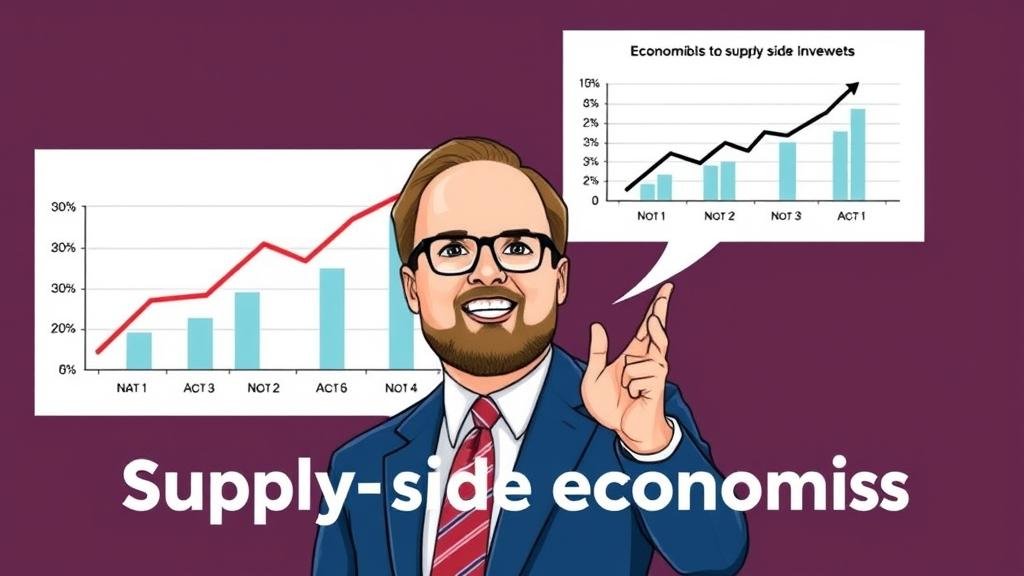
Before he was in the White House, he was a big shot at the American Enterprise Institute, a conservative think tank. His economic religion is “supply-side economics.” Let’s be real, that sounds incredibly boring, but here’s the gist: the best way to achieve economic growth is to cut taxes and slash regulations, especially for businesses. The idea is that this unleashes a tidal wave of investment and growth. You feel me?
Hassett was one of the main cheerleaders for the big 2017 tax cuts, promising they would trigger an economic renaissance. His supporters see him as a sharp, data-driven visionary. His critics… well, let’s just say they found some of his economic forecasts to be a tad on the optimistic side, like predicting you’ll *actually* stick to your New Year’s diet.
The takeaway: He’s a card-carrying supply-sider who knows his way around the West Wing. And yes, this *will* be on the test.
The Backstory: A Bromance Gone Bad
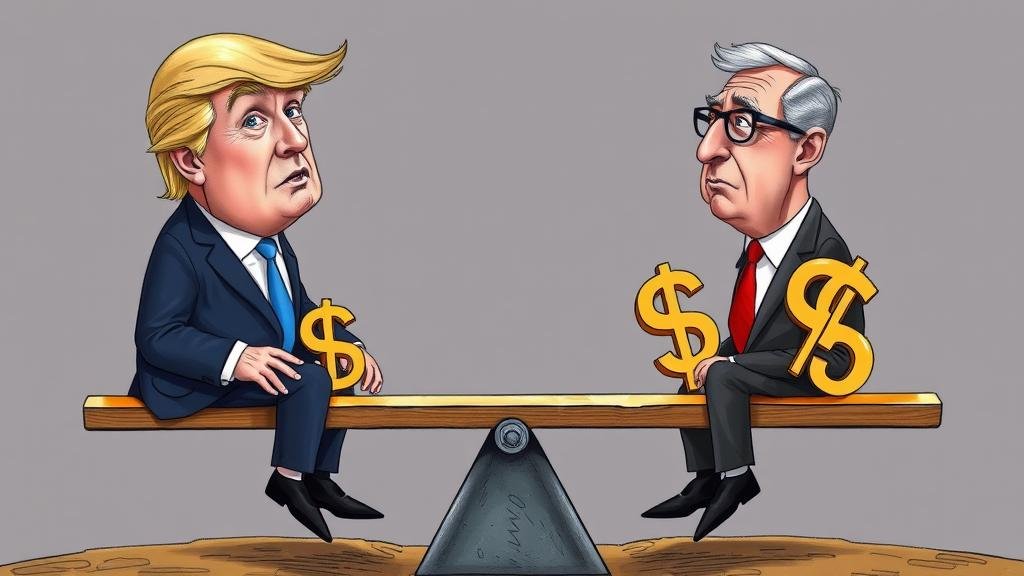
To understand why Hassett is even in the conversation, you have to look at the epic, one-sided feud between President Trump and current Fed Chair Jerome Powell. It’s a classic “it’s not you, it’s me… no, wait, it’s definitely you” situation.
Trump appointed Powell back in 2018. For a hot minute, everything was fine. Then Powell started doing his job—which sometimes involves raising interest rates to keep the economy from overheating—and Trump was *not* a fan. He publicly blasted Powell, calling for interest-rate cuts and arguing the Fed was holding the economy back. It was the political equivalent of your dad yelling at the TV during a football game, except the game was U.S. monetary policy.
*cue dramatic pause*
According to a recent Bloomberg report, the President now “expects his nominee to deliver interest-rate cuts.” He wants someone who gets his vision, someone who’s on his team. Enter Kevin Hassett, stage right.
In short: The President wants a Fed Chair who will zig when he says zig. The job interview probably includes the question, “Are you prepared to cut rates, like, yesterday?”
What a Hassett-Led Fed Would Look Like
So if Hassett gets the keys to the kingdom, what changes? Hold onto your hats.
A More “Dovish” Stance (And Not the Soap)
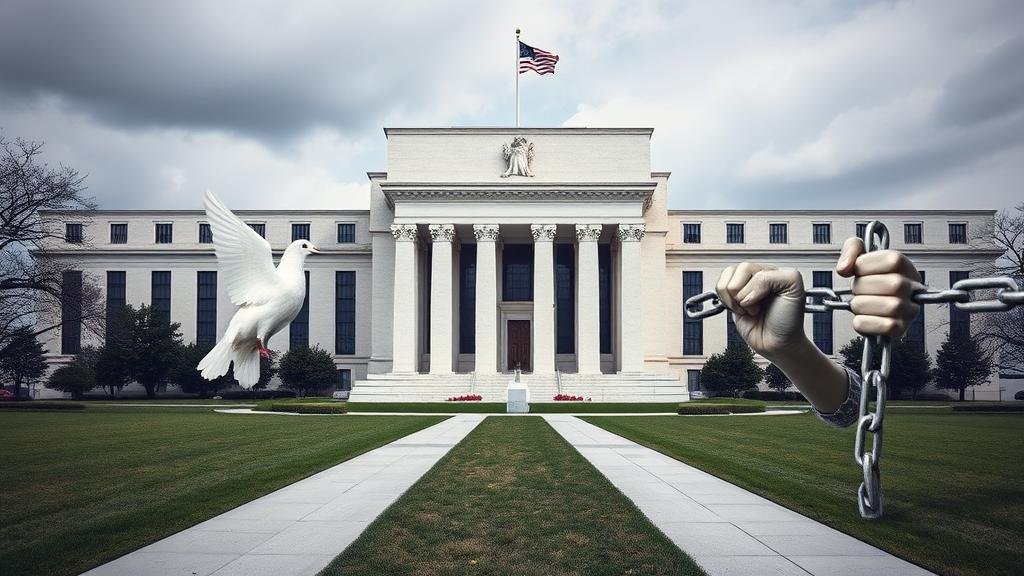
First off, we’d likely see a much more “dovish” Fed. In finance-speak, “dovish” is the central bank equivalent of being the “cool parent” who lets the economy stay out late and eat sugar (i.e., favors lower interest rates to boost growth). A Hassett Fed might be more inclined to cut rates to fire up the economy, even if it means letting inflation—the cost of everything—run a little hotter than usual. It’s the party now, worry about the hangover later approach.
The Question of Fed Independence
Okay, let’s get serious for a second—but only a second. Fed independence is a huge deal. It’s the idea that the central bank can make tough, unpopular decisions for the long-term health of the economy without a politician breathing down its neck.
Critics worry that a Fed chair chosen for loyalty could shatter that independence. It’s like letting the coach also be the referee in the championship game. You might win that game right before an election, but you might also burn the whole stadium down in the process. This is the part that makes a lot of economists nervous.
A Bullhorn for Supply-Side Policies
Given his background, Hassett would probably use the Fed’s platform for more than just interest rate announcements. Imagine the Fed’s normally beige reports suddenly getting a supply-side makeover, full of jazzy charts about the magic of deregulation and tax cuts. The Fed would become less of a quiet, impartial accountant and more of a loud, opinionated economic evangelist.
What Are the Experts Saying? (Besides “Uh-Oh”)
Of course, it wouldn’t be a proper financial kerfuffle without the experts weighing in from their ivory towers.
Renowned Wharton professor Jeremy Siegel called Hassett a “very good economist” but then threw a little shade, suggesting his strengths aren’t in the “technical side of central banking.”
Translation: Hassett is a smart guy on the big-picture stuff, but maybe not the guy you want rewiring the entire electrical grid of the financial system. It sparks a debate: Is it better to have a master mechanic in charge, or a visionary architect who’s tight with the president? The jury is out.
So, Should You Panic?
The financial markets, for now, are in a state of watchful waiting. As one report put it, they’re “ready for a Trump chair pick,” which is analyst-speak for “we’ve seen this movie before and have priced in the drama.”
But the real show will be the Senate confirmation. It would be a political cage match, with Democrats likely grilling him about politicizing the Fed.
For those of us not trading billions from a yacht, this still matters. A push for lower interest rates could mean cheaper mortgages and car loans. Yay! But if it leads to higher inflation, a loaf of bread could soon cost as much as a movie ticket. Boo!
Here at Creditnewsinsider, we’ll be watching this drama unfold with a big bag of (economically priced) popcorn. The person who gets this job holds the keys to the national piggy bank. And trust us, you’ll want to know who has those.