Caribbean Crisis: Inside the Controversial U.S. Military Second Strike
A recent U.S. military operation in the Caribbean has escalated into a significant controversy, drawing scrutiny from Congress and international observers. The incident, involving a sanctioned attack on a vessel suspected of drug trafficking, has raised complex questions about military conduct and international law, particularly surrounding the use of a “second strike.”
The White House is actively defending the operation, while critics are challenging the legality and ethics of the engagement. As the world watches, the debate over international maritime law and the rules of engagement has been thrust into the spotlight.
The Core of the Controversy: A Second Strike
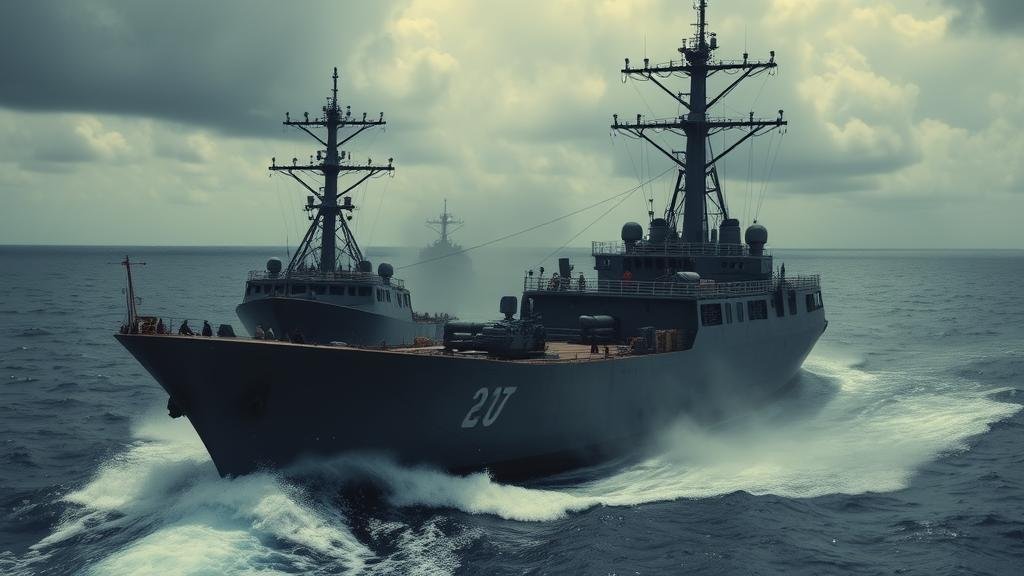
The incident began when the U.S. military identified and targeted a vessel believed to be involved in narcotics smuggling. An initial strike was launched to disable the boat. However, a subsequent second strike has become the focal point of the controversy.
Allegations have surfaced that this second strike may have targeted survivors in the water. The White House has confirmed both strikes occurred, with the official account stating the decision was made on-scene by a U.S. admiral, who had the full support and approval of Defense Secretary Pete Hegseth. This high-level backing has intensified the debate over the chain of command and the justification for the lethal force employed.
The Administration’s Defense: An Act of Self-Defense
In response to mounting pressure, the White House and Defense Secretary Pete Hegseth maintain that the actions taken were lawful and necessary. The administration’s official position, articulated by White House Press Secretary Karoline Leavitt, is that the engagement was an act of self-defense, fully compliant with both U.S. and international law.
The administration argues that the individuals on the vessel were not civilians but dangerous criminals who posed a direct threat. However, the central question remains: does a potential threat justify a second strike after the vessel has been neutralized? This is the critical issue at the heart of the ongoing debate.
Congressional Inquiry on the Horizon
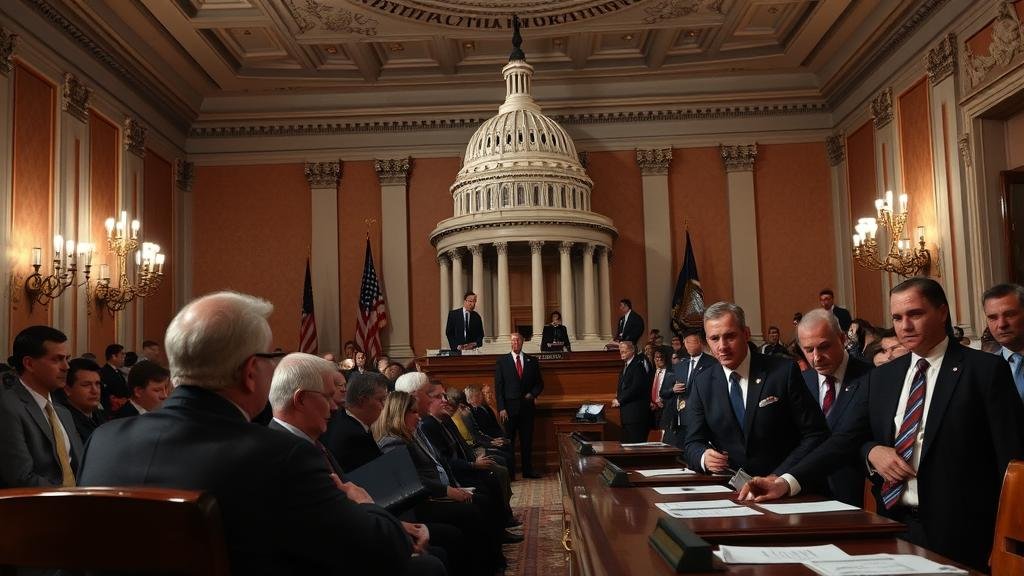
The controversial nature of the second strike has prompted bipartisan concern on Capitol Hill. Lawmakers from both parties are now formally demanding a congressional inquiry into the incident.
As reported by The Hill, the “alleged order to kill survivors” is the primary catalyst for this legislative oversight.
The Pentagon is now expected to provide a detailed explanation of the events, facing a rigorous review process to determine if the actions violated established international protocols.
Understanding the Legal Framework: Hors de Combat
The legality of the second strike hinges on the principle of hors de combat, a French term meaning “out of the fight.” This cornerstone of international law, enshrined in the Geneva Conventions, prohibits targeting enemy combatants who are no longer in a position to fight, whether due to injury, surrender, or being shipwrecked.
For the administration to legally justify the second strike, it must prove that the individuals in the water still posed an imminent threat. Proving this will be a significant challenge and is central to the impending investigations.
Implications for Counter-Narcotics Operations
This incident may set a new and aggressive precedent for U.S. counter-narcotics operations. A shift towards such a level of military force could escalate tensions and alter the dynamics of drug interdiction efforts in the region.
Furthermore, a perception that the U.S. is operating outside of established international norms could strain relationships with key allies. Cooperation and intelligence sharing are vital in the global fight against drug trafficking, and maintaining the trust of international partners is essential for long-term success.
What’s Next?
The controversy surrounding the Caribbean strike is poised to continue with congressional hearings and formal investigations. The Pentagon is under intense pressure to justify its actions and provide transparency regarding the rules of engagement.
This incident serves as a critical case study in the delicate balance between ensuring national security and upholding legal and ethical accountability. The outcome will have lasting implications for U.S. military policy and its standing in the international community.