Putin, Kushner, and Witkoff’s Back-Channel Diplomacy: A New Path for Ukraine Peace?
An unexpected meeting in Moscow signals a new, personalized approach to peacemaking, completely bypassing official channels.
In a significant development in international relations, Russian President Vladimir Putin held a lengthy meeting in Moscow with Steve Witkoff, a real estate developer with ties to Donald Trump, and Jared Kushner, Trump’s son-in-law. This event signals a notable instance of back-channel diplomacy aimed at finding a resolution to the war in Ukraine.
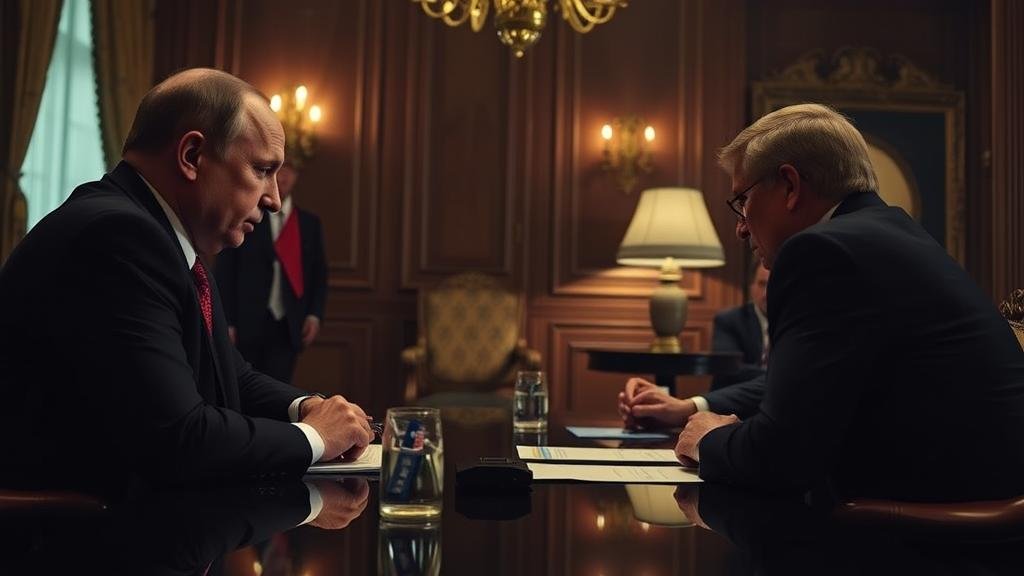
Inside the Four-Hour Kremlin Talks on a Ukraine Peace Plan
This was no brief photo opportunity. Steve Witkoff and Jared Kushner engaged in a substantive, four-hour discussion with President Putin, focusing on a “possible way to end” the conflict. The meeting, which occurred entirely outside of official government communication, represents a personalized approach to peacemaking.
The gravity of the talks was underscored by the attendees on the Russian side: Putin was joined by his veteran foreign policy aide, Yuri Ushakov, and Kirill Dmitriev, the head of Russia’s sovereign wealth fund. This indicates that the proposal was given serious consideration at the highest levels of the Kremlin.
This style of diplomacy, reliant on personal relationships and direct negotiation, is a departure from conventional state-led processes and is a key indicator of the changing landscape of international deal-making.
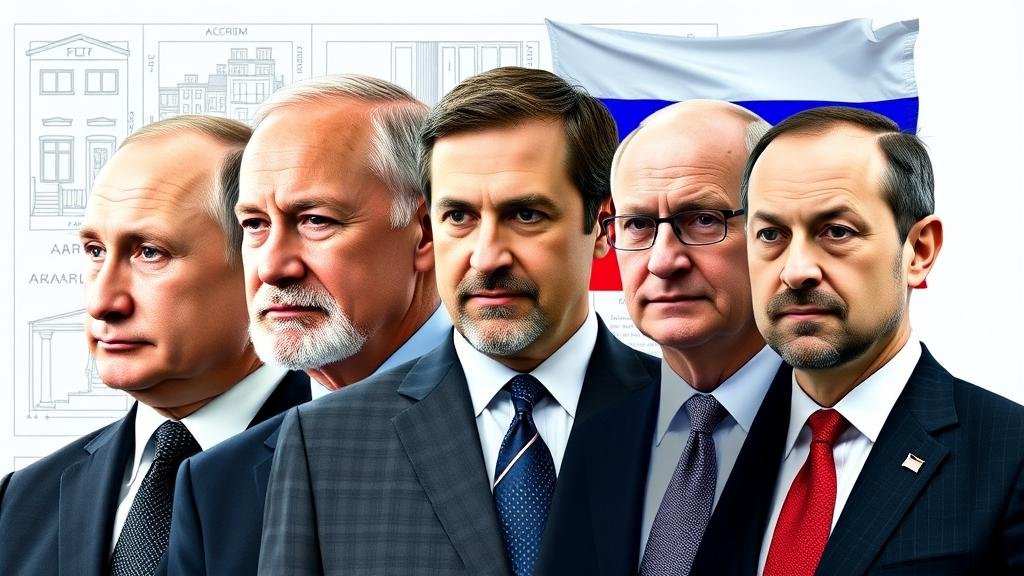
The Key Players: Who Are Witkoff and Kushner?
To grasp the full implications of this meeting, it is crucial to understand the principal figures involved:
- Steve Witkoff: A prominent real estate developer and a longtime friend of Donald Trump. His participation suggests that the mission carries an unofficial endorsement from circles close to the former President, signaling a potential MAGA-approved diplomatic track.
- Jared Kushner: As Trump’s son-in-law and the architect of the Abraham Accords, Kushner has documented experience in orchestrating complex international agreements. His involvement lends a measure of diplomatic credibility to the initiative.
- Vladimir Putin: The Russian President. By dedicating over four hours to this meeting, Putin has shown he is at least receptive to exploring alternative peace proposals beyond current frameworks.
- Yuri Ushakov and Kirill Dmitriev: As Putin’s senior advisors on foreign policy and finance, their presence confirms that Russia approached this meeting with a high degree of seriousness, engaging top-tier officials in the discussion.
The convergence of a real estate magnate, a former White House senior advisor, and the Russian President in the Kremlin is a testament to this unconventional diplomatic effort.

Back-Channel Diplomacy: A Bold Strategy or a Risky Gamble?
The meeting has sparked considerable debate, as it completely bypasses the current U.S. administration’s policy of isolating Russia and providing military support to Ukraine. This is a rogue diplomatic mission with potentially high stakes.
Supporters argue that since official channels have stalled, exploring new avenues is a logical step. The war has had a devastating human cost and continues to disrupt the global economy. A successful peace deal could foster more stable markets and deliver economic benefits.
However, critics view this move with significant apprehension. They express concern that such negotiations could inadvertently legitimize Putin’s actions and pressure Ukraine into accepting unfavorable terms. It is a high-wire act where the consequences of failure are severe.
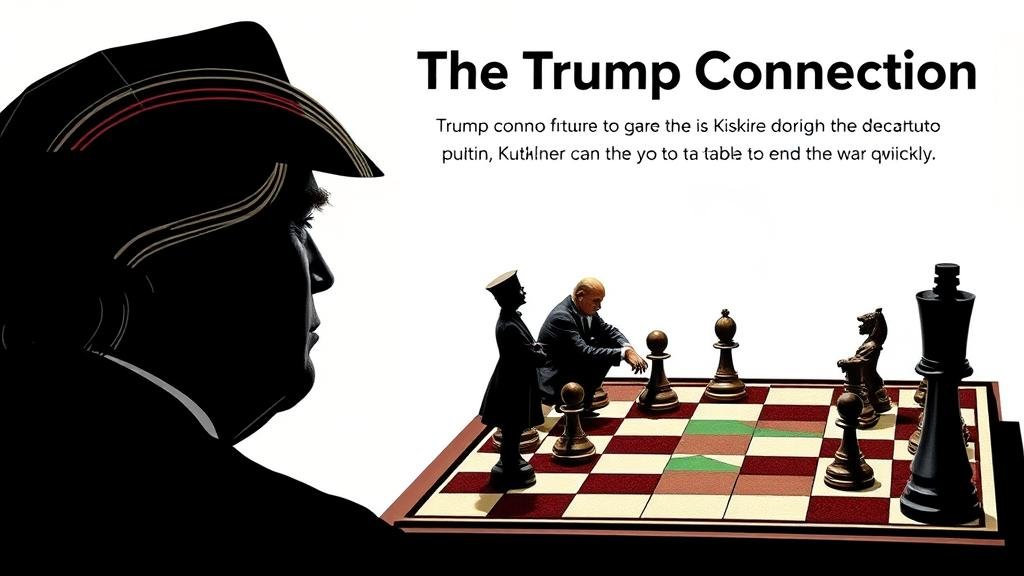
The Trump Connection: A Glimpse into Future Foreign Policy?
This event cannot be analyzed without considering its connection to Donald Trump, who has consistently claimed he could end the war “in 24 hours.” This meeting offers a practical preview of his potential foreign policy, which prioritizes personal deal-making over traditional diplomatic protocols.
The strategy is emblematic of a high-risk, high-reward approach to international relations. If this back-channel diplomacy were to succeed, it would be hailed as a brilliant geopolitical maneuver. Conversely, if it fails, it could become a significant political liability and a focal point for criticism.
Unanswered Questions and the Path Forward for US-Russia Relations
The meeting leaves the international community with several pressing questions:
- Will the specifics of the proposed peace plan be made public?
- How will Ukraine, the nation at the center of the conflict, respond to this development?
- What will be the official reaction from the Biden administration?
- Is this a one-off event, or does it mark the beginning of a new, parallel diplomatic track?
For now, these talks have significantly altered the geopolitical conversation. It serves as a powerful reminder that some of the most consequential discussions take place outside the public eye. The world will be watching closely as the implications of this meeting continue to unfold.