Fuel Efficiency vs. Sticker Price: Which Matters More for Your Wallet?
The Great Debate: A Cheer for Economic Growth
Let’s be honest, the auto and oil industries have viewed strict environmental regulations with the enthusiasm of a cat at a pool party. For years, they’ve contended that these rules, despite their good intentions, were a financial straitjacket, stifling innovation and inflating car prices. So, when regulations are relaxed—like giving oil and gas operators an extra year-plus to manage methane-leak-detection—it’s no surprise that industry leaders are celebrating.
Their argument for this “reasonable balance” is clear:
- Reduced Operational Costs: Complying with green rules is expensive. Deferring these costs allows companies to reinvest in economic growth.
- Stimulated Economic Activity: That reinvestment, they argue, leads to more jobs and a healthier economy. A healthy company is a hiring company, and that benefits everyone.
- Lower Prices for You (in theory): The auto industry’s stance is that cramming fuel-sipping tech into every vehicle increases the sticker price. Ease up on gas-mileage mandates, and they can offer more affordable cars.
The industry’s bottom line is that a robust economy is the only way to fund the futuristic green technologies we all want. But is this a smart move or the financial equivalent of eating dessert before dinner? The jury’s still out.

The Environmental View: A Warning for Our Future
On the other side, environmental groups see these rollbacks as a short-sighted disaster. Their main concerns are:
- Accelerated Climate Change: Methane, a potent greenhouse gas, traps over 25 times more heat than carbon dioxide. Delaying rules to plug methane leaks is like seeing a crack in a dam and saying, “I’ll fix it next year.”
- Degraded Air and Water: These regulations weren’t just about the planet; they were about preventing pollutants from contaminating our air and water. Weakening them could lead to more health problems.
- The Hidden Cost: Environmental advocates argue that a cheap car is a trap. The lower sticker price might be tempting, but you’ll spend significantly more on gas, making the initial savings disappear. Over a car’s lifetime, less efficiency means more pain at the pump.
For these groups, the industry’s “economic gains” are a mirage, masking the long-term costs of climate damage and the immediate hit to your wallet every time you fill up.
The Driver’s Dilemma: What This Means for Your Bottom Line
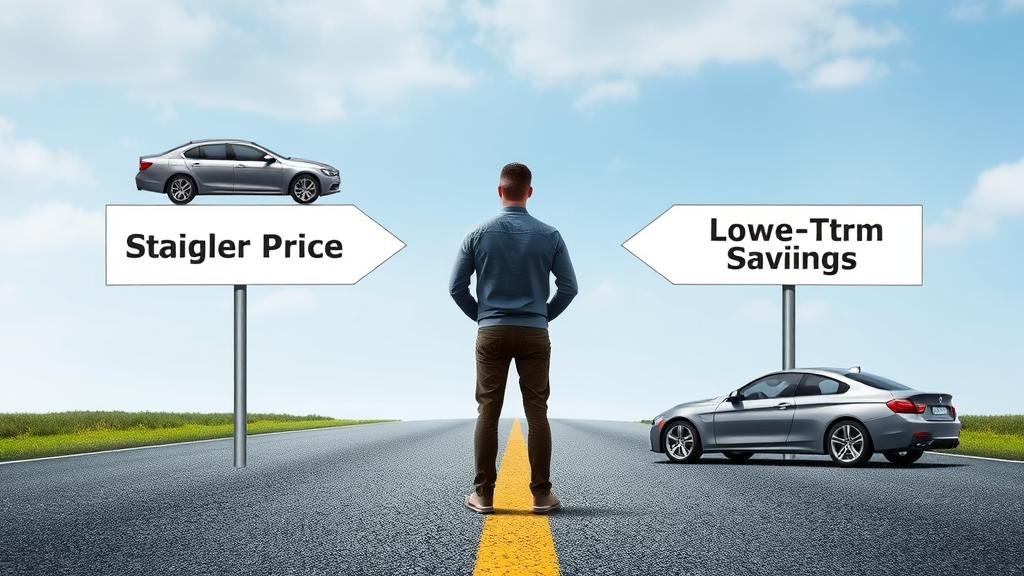
So, we have a classic showdown: The Cheaper-Car-Now argument versus the Cheaper-Driving-Later argument. Who’s right? The answer is complicated.
Let’s break it down with a real-world example. Imagine you’re at a dealership, looking at two of the best fuel-efficient cars of 2024:
The Tale of Two Cars
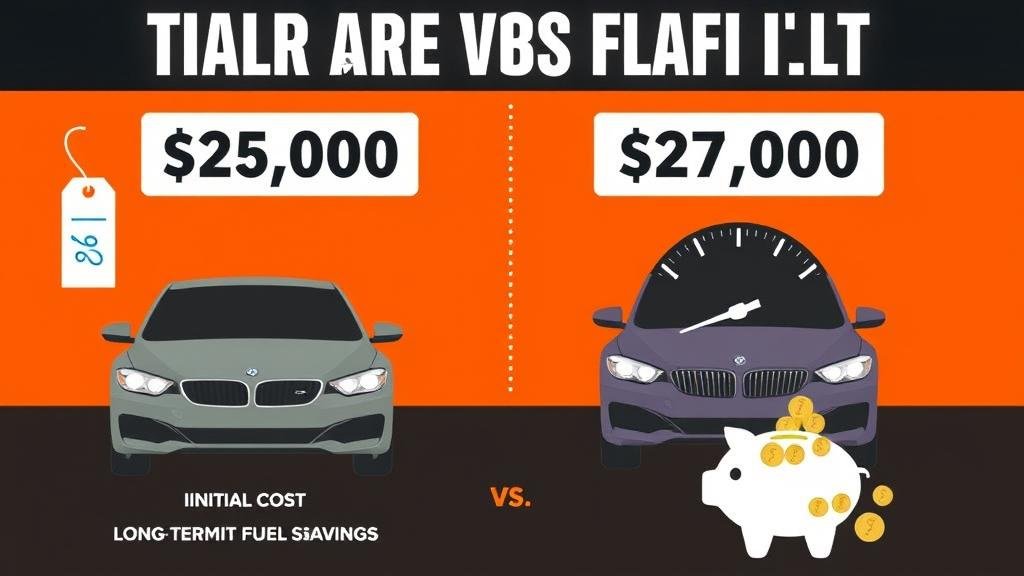
- Car A (The “Deal”): Thanks to relaxed rules, it’s a steal at $25,000. But its gas mileage is only 25 miles per gallon (MPG).
- Car B (The “Investment”): This car meets stricter standards. It’s pricier at $27,000, but it boasts a respectable 35 MPG.
Let’s do the math, assuming you drive 15,000 miles a year and gas is $3.50 a gallon:
- Car A’s annual fuel cost: (15,000 miles / 25 MPG) * $3.50 = $2,100
- Car B’s annual fuel cost: (15,000 miles / 35 MPG) * $3.50 = $1,500
That’s a $600 per year difference. Your initial $2,000 savings on Car A will be gone in just over three years. Over a decade, you’d save a cool $6,000 on fuel with Car B, making it the smarter long-term buy.
Ultimately, the choice is yours: do you want the instant gratification of a lower sticker price or the long-term total savings of a more fuel-efficient car? There’s no single right answer, but understanding the trade-off is key to making a savvy decision when you go car shopping.