First Brands’ $10B Collapse: A Wild Ride into Private Credit Risk & Corporate Bankruptcy
An auto parts giant, First Brands, just drove off a financial cliff, resulting in a corporate bankruptcy of spectacular proportions. The company filed for bankruptcy with over $10 billion in liabilities, a situation that highlights the immense private credit risk simmering in today’s market.
But here’s the juicy part. While most investors stared at the wreckage, a few sly lenders were seemingly sipping champagne. They had already cashed in. It’s like they knew the ship was sinking and sold their first-class cabins to a bunch of over-eager tourists just before it hit the iceberg.
This whole mess raises some fun questions about the opaque world of private credit, like “who knew what, and when?” Let’s pop the hood on this cautionary tale.

The Rise and Fall of the Spark Plug Empire
First Brands was the kid in the candy store of the automotive aftermarket. Their game plan? Aggressive growth fueled by cheap debt financing. They went on a shopping spree, gobbling up smaller companies like Pac-Man on a power-pellet bender. For a while, the numbers looked good, and private equity backers were patting themselves on the back.
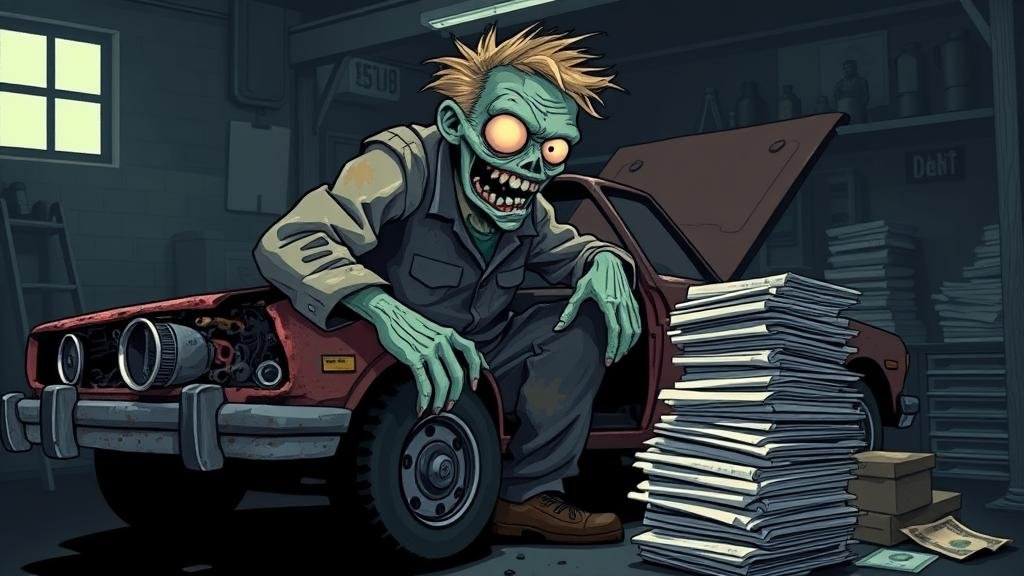
But underneath, the engine was leaking oil. The company was becoming a classic “zombie company,” piling up debt faster than unfinished DIY projects. According to the Los Angeles Times, First Brands racked up billions in debt “without the lenders knowing much about it.”
That statement alone reveals a significant lapse in due diligence. It’s like a 7-year-old taking out a second mortgage to buy LEGOs, and the parents only finding out at foreclosure. The whole thing imploded in September of 2025, stunning investors who missed the flashing red lights of the company’s high credit risk.
The Sly Dogs Who Profited from the Collapse
While half the market was panicking, a few lenders saw the writing on the wall. According to an anonymous source, the signs were there if you squinted hard enough. As a result, a handful of original lenders and opportunistic debt traders “made out handsomely.”
How? Get your notepad out.
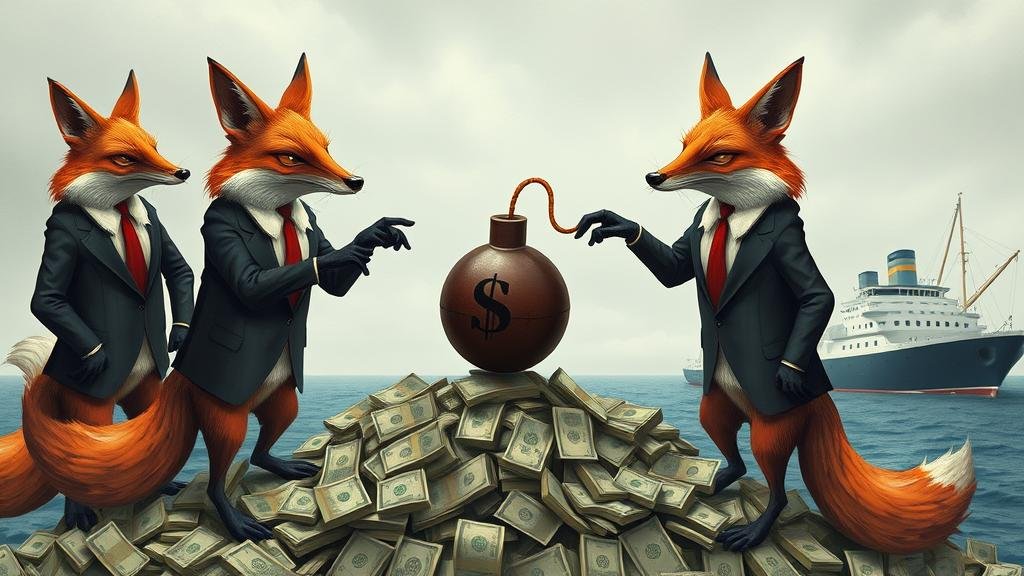
- The Hot Potato Method (Selling on the Secondary Market): Seeing the souring credit risk, these lenders sold their First Brands debt on the secondary market. It’s the financial equivalent of re-gifting a fruitcake. They passed the ticking time bomb to someone else who was left holding, well, worthless paper.
- The “Desperate Times” Loan: As First Brands gasped for air, some lenders swooped in with short-term, high-interest loans. They charged exorbitant fees and rates, ensured their loans were prioritized for repayment, and got out of Dodge, leaving the company in an even weaker position—a key factor leading to its corporate bankruptcy.
- The Big Short Gambit (Credit Default Swaps): This is where it gets spicy. Sophisticated investors bought credit default swaps (CDS), which are essentially insurance policies that pay out if a company defaults. By betting on failure, they secured a massive payday when First Brands inevitably went under.
Meanwhile, big shots like Jefferies, Millennium, and UBS’s O’Connor fund were apparently among those left holding the bag after the restructuring.
So, Is the Private Credit System Rigged?
“Rigged” is a strong word, but the First Brands implosion highlights some serious quirks in the private credit market. The Los Angeles Times even suggested it “points to the next market meltdown,” a sentiment echoed by rising default rates in 2024.
- The Perils of Lax Due Diligence: A company doesn’t “accidentally” accumulate $10 billion in secret debt. In the mad dash for high returns, some lenders were approving deals with shockingly little oversight. Proper due diligence was clearly not a priority.
- The Private Credit Fight Club: The first rule of private credit is that nobody outside the deal knows what’s going on. This opacity allows companies to hide skeletons and lets “in-the-know” investors act before others smell smoke, fueling situations that can end in lender-on-lender violence during a restructuring.
- “I Got Mine” Lending and Moral Hazard: This mess is a classic example of moral hazard in debt financing. If you can make money setting up a loan and immediately sell that risk to someone else, what’s your incentive to ensure the borrower is solvent? You get your profit, pass the risk downstream, and whistle your way to the bank. It’s a great model until the whole system breaks.

Alright, What’s the Homework Here?
For business owners, investors, or just folks trying not to get financially steamrolled, the lessons from this corporate bankruptcy are clear.
- Look Under the Hood: Don’t just look at shiny revenue numbers. Dig into the balance sheet. High debt relative to earnings is a check engine light for credit risk—ignore it, and you’ll end up stranded.
- Demand the Receipts: Whether you’re lending or investing, demand transparency. Regular, detailed financial reports are non-negotiable for any debt financing deal.
- Stay Awake: In a market where information is power, being uninformed is a choice. A bad one. Keep your eyes peeled for trends in default rates and market risks to make smarter moves.
The First Brands story is a beautiful disaster. It reminds us that fortunes are built and obliterated in a flash, especially in the opaque corners of private credit. It’s a clear warning shot for the rest of us. Proceed with caution.