The U.S. Economy and Your Wallet: Why Slowing Inflation Still Hurts
Ever find yourself staring at a grocery receipt in disbelief? You’re not alone. While President Biden discusses cooling inflation, many feel their wallets are under more pressure than ever. This raises a critical question: is the U.S. economy improving, or is the high cost of living distorting the picture? The reality is complex, so let’s explore the gap between economic reports and the everyday financial struggles of American families.

The White House’s Perspective on the U.S. Economy
The administration has been highlighting positive economic indicators, noting that the rate of inflation has decreased significantly from its peak in 2022. President Biden emphasizes that his policies are lowering costs for families, pointing to more stable gas prices and a strong job market as signs of a healthy economy. The official message is one of progress and economic recovery, suggesting that Americans have more financial breathing room.
Key takeaway: The government sees a slower rate of price increases as a victory for the U.S. economy.

Your Personal Finances: The Reality of High Living Costs
Despite reports of slowing inflation, a majority of Americans feel their financial situation is worsening, a sentiment reflected in recent polls. The core issue is that slowing inflation doesn’t mean falling prices. It simply means prices are increasing at a less frantic pace. The cumulative effect of past inflation means that groceries, housing, and transportation have settled at a “new normal” of higher costs.
- Grocery Prices: The cost of essential food items like bread, meat, and produce has risen substantially over the last few years, impacting household budgets.
- Housing Costs: Skyrocketing rents and mortgage rates have made affordable housing a significant challenge for many.
- Transportation Expenses: While gas prices are below their peak, they remain a considerable expense, affecting the cost of commuting and travel.
This disconnect leads to a widespread feeling that economic reports don’t reflect the financial strain people are experiencing.
“They say things are better, but my bank account didn’t get the memo.”
Key takeaway: Consumers are still grappling with the high cost of living, as prices for essential goods and services remain elevated.
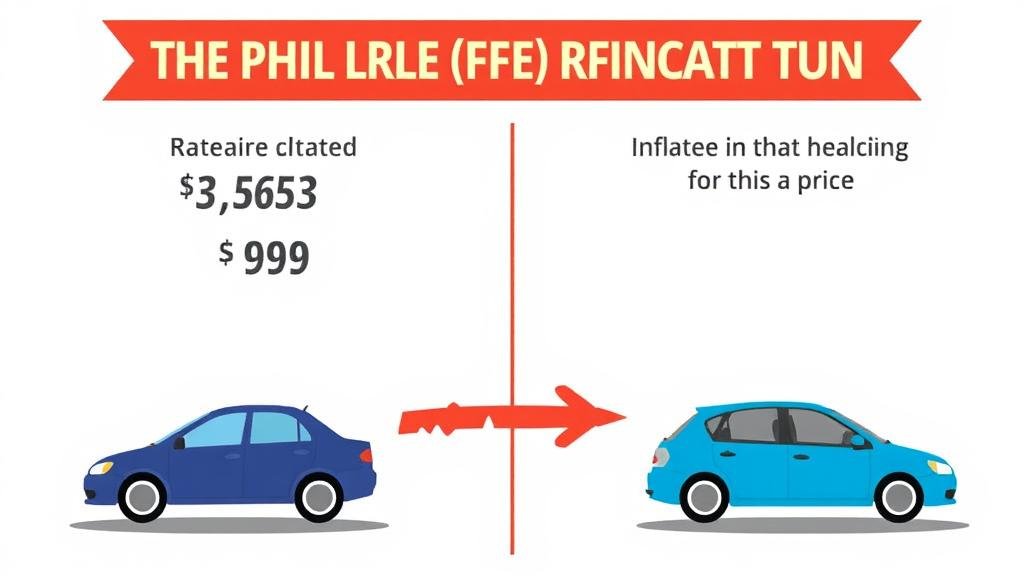
Understanding the Math: Inflation Rate vs. Price Levels
The confusion stems from the difference between the rate of inflation and the level of prices. Think of it like driving a car. If you slow down from 90 mph to 30 mph, you’re still moving forward, just not as fast. Similarly, a lower inflation rate doesn’t reverse price hikes; it just slows the pace of their ascent. Prices are not decreasing, they are just increasing more slowly, and our personal finances are still trying to catch up to the higher plateau.
Key takeaway: Slowing inflation offers little relief when the cost of living is already high.
What Economic Experts Say About Consumer Sentiment
Economists acknowledge the validity of public sentiment. They agree that while a lower inflation rate is a positive sign for the U.S. economy, the psychological and financial impact of the recent surge in prices is real and persistent. Experts note that it will take considerable time for wage growth to catch up to the new, higher cost of living, leaving many families in a precarious financial position. This sustained period of high prices, especially for non-discretionary spending, has created financial shock and anxiety that data points on slowing inflation don’t erase.
Key takeaway: Experts validate public concern, confirming that the financial pain from the high cost of living is a real and lasting issue.
How to Navigate the High Cost of Living
While we can’t control the national economy, we can take steps to improve our personal finances.
- Conduct a Budget Review: Track your spending to identify where your money is going and find opportunities to save.
- Optimize Grocery Spending: Plan meals, look for sales, and choose store brands to manage rising grocery prices.
- Audit Your Subscriptions: Cancel any services you no longer use to free up extra cash.
- Build an Emergency Fund: Create a financial cushion to protect against unexpected expenses. Aim for 3-6 months of living costs.
- Explore Additional Income Streams: If possible, a side hustle can provide extra funds to offset the high cost of living.
The Road Ahead: Managing Expectations and Personal Finances
The debate over the state of the U.S. economy will likely continue. While officials may celebrate slowing inflation, many American families are still burdened by the high cost of living. Moving forward, clear communication from leaders that acknowledges this reality is crucial. Until then, managing your personal finances wisely is the most powerful tool you have. Your concerns about high prices are valid, and you’re not alone in feeling the pressure.