Secretary Austin’s Hospitalization: A Serious Lapse in National Security
A recent report by the Pentagon’s Inspector General (IG) reveals that Defense Secretary Lloyd Austin’s failure to disclose his hospitalization created an unnecessary risk to national security. This incident has raised serious questions about transparency and the chain of command at the highest levels of the U.S. government.
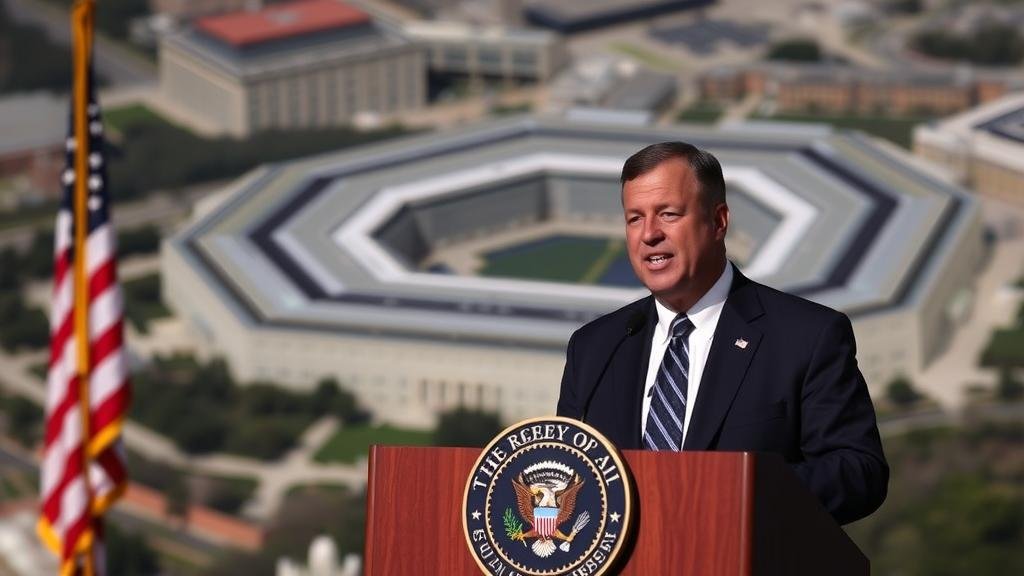
A Timeline of Communication Failure
The controversy surrounding Secretary Austin’s hospitalization stems from a significant communication failure. Here is a timeline of the events:
- December 22, 2023: Secretary Austin undergoes a procedure for prostate cancer, under general anesthesia. His deputy, who is next in the chain of command, is not informed.
- January 1, 2024: Austin is taken to Walter Reed National Military Medical Center due to complications, later revealed to be an emergent bladder issue.
- January 2, 2024: Some of Austin’s duties are transferred to Deputy Secretary Kathleen Hicks, who is not informed of the reason for the transfer.
- January 4, 2024: The White House and senior Pentagon staff are finally notified of the Secretary’s hospitalization.
- January 5, 2024: The Pentagon releases a public statement, sparking a political firestorm.
Inspector General’s Findings
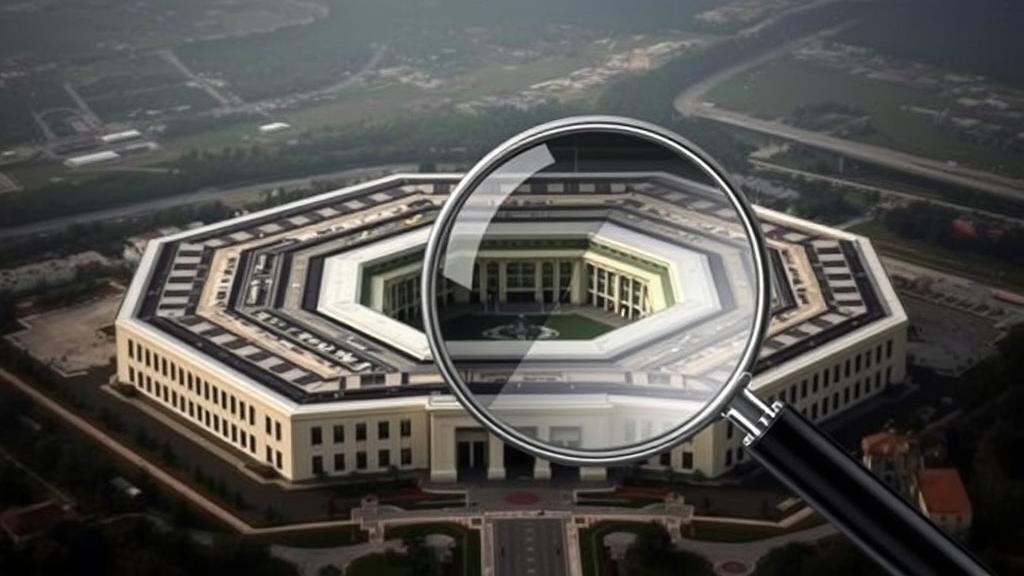
The IG report concluded that the lack of transparency and the breakdown in communication “unnecessarily increased risks to the Department’s mission and to U.S. national security.” The report highlights a failure to follow established procedures for the transfer of authority, creating a dangerous power vacuum. This communication failure was a major topic of the Pentagon’s internal review.

Why This Is a National Security Concern
The undisclosed hospitalization of the Secretary of Defense is a serious national security issue for several reasons:
Crisis of Transparency and Trust
The incident has eroded public trust in the chain of command. The American people, and the military, must have confidence that the nation’s leadership is stable and accountable.
Operational Security (OpSec)
The possibility of an adversary discovering the Secretary of Defense’s incapacitation before the White House is a nightmare scenario. It creates a window of opportunity for hostile actors to exploit the situation.
The Chain of Command
The transfer of authority, especially when it involves the potential use of nuclear weapons, must be seamless and unambiguous. The incident revealed a flaw in the “Who’s on First?” routine, a critical aspect of national security.
The Aftermath
Secretary Austin has since apologized for his lack of transparency, admitting, “I did not handle this right.” While President Biden has expressed his continued confidence in the Secretary, the Pentagon is reviewing its notification procedures to prevent a recurrence of this communication failure.
This episode serves as a critical reminder of the importance of clear communication and unwavering accountability in the realm of national security. The protocols that safeguard our nation are only as strong as the leaders who uphold them.