Navigating the Economic Tug-of-War: Inflation, Interest Rates, and Your Investments
The global economy is like a car with two drivers fighting for the wheel. One is flooring the gas pedal with massive government spending, while the other is yanking the emergency brake with aggressive interest rate hikes. And who’s in the backseat, getting whiplash? You, the investor.
Wall Street’s mood has shifted from “cautiously optimistic” to “frantically Googling ‘panic attack symptoms’.” The very measures meant to stabilize our economy are now brewing a new kind of chaos. Understanding this economic tug-of-war is vital, whether you’re a seasoned investor or just hoping your 401(k) doesn’t turn into a penny stock.
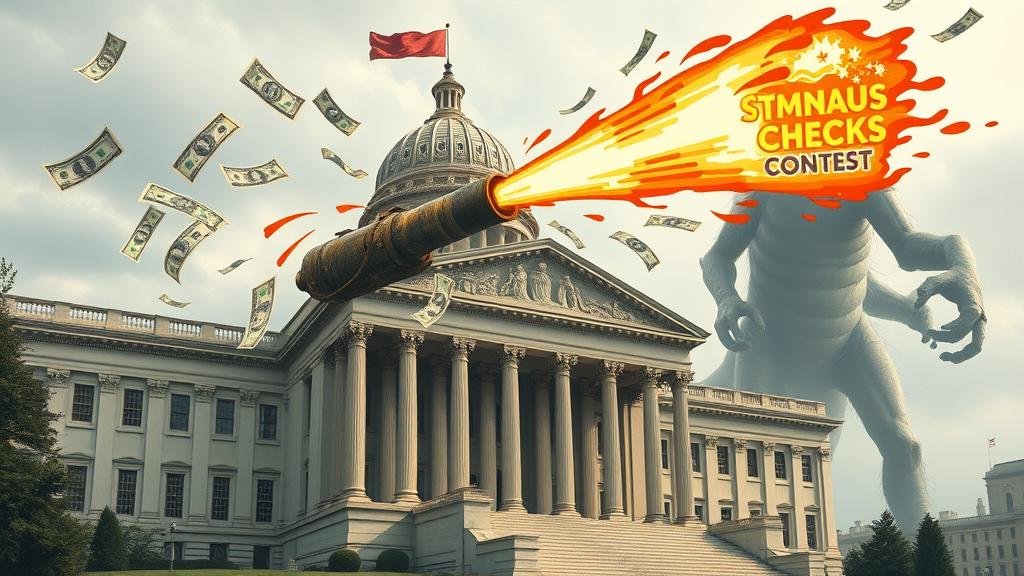
The Great Flood: Unpacking the Government Spending Bonanza
Remember when governments worldwide went full Oprah, handing out stimulus checks and business loans? The goal was noble: to prevent a full-blown economic face-plant. This “cash cannon” fired in several directions:
- Direct Stimulus: That surprise money in your bank account you almost spent on a life-sized celebrity cutout.
- Enhanced Unemployment Benefits: A crucial lifeline for millions.
- Business Loans and Grants: The reason your favorite local coffee shop is still around to misspell your name.
- Major Infrastructure Bills: Ambitious plans to fix our crumbling roads and bridges.
The logic was simple: more money for people means more spending, more hiring, and a rosy economic sunset. And for a while, it worked. It was a great party.
The Inevitable Side Effect: The Inflation Monster
But every great party has a morning after, and this one brought a skull-splitting inflation headache. Flooding the system with cash while supply chains are a tangled mess is a recipe for Economics 101: too much money chasing too few goods.
Suddenly, buying eggs felt like bidding on rare art. What economists initially called “transitory” inflation has overstayed its welcome. The solution to one crisis (a recession) birthed another (a cost-of-living crisis). It’s like fighting a fire with gasoline.
The Cure That Hurts: Central Banks Step In with Rate Hikes
Enter the central banks, like the Federal Reserve, the stern parents here to shut down the party. Their primary job is price stability, and with inflation roaring, they had to bring out their biggest hammer: interest rates. By jacking up interest rates, they’re intentionally putting the economy in a time-out. Here’s the game plan:
- Borrowing Becomes Expensive: That mortgage you were eyeing? More expensive. The car loan? More expensive. Your credit card balance? Definitely more expensive.
- Demand Slows Down: When borrowing costs more, we all tighten our wallets. Postponing a home renovation or a new factory expansion becomes more likely, which should cool down prices.
- The Market Reacts: The stock market, fueled by dreams of future growth, gets rattled. Higher rates make it harder for companies to expand. Plus, safer government bonds start looking more attractive, pulling money out of stocks. This is why the market sometimes cheers for bad economic news—it’s a sign the painful medicine might be working.
The goal is a “soft landing,” the economic equivalent of parallel parking a jumbo jet. Investors are worried the landing might be less “soft” and more… splat.
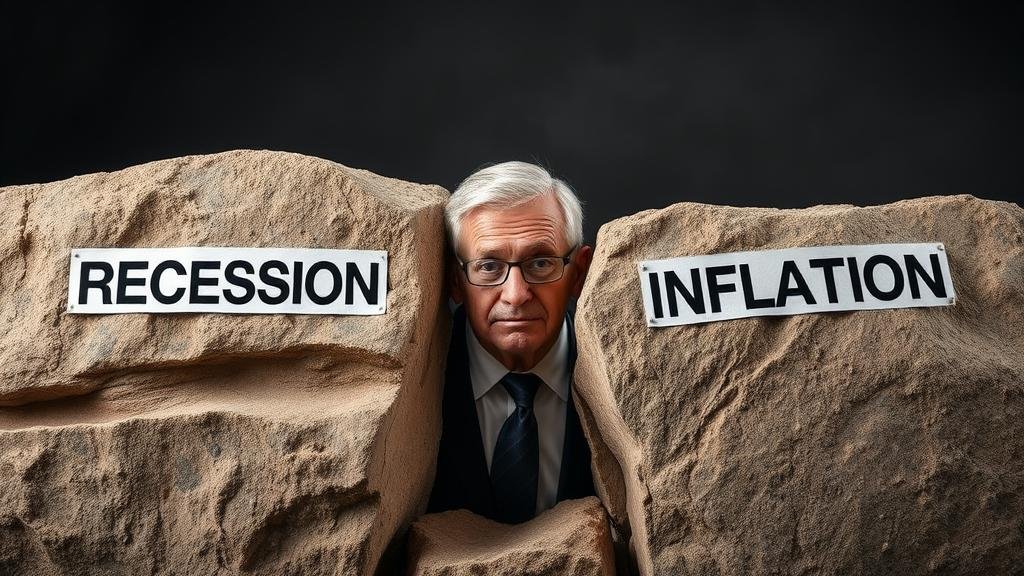
The Investor’s Dilemma: Caught Between a Rock and a Hard Place
If you’re feeling seasick looking at your portfolio, you’re not alone. Welcome to the club. We don’t have jackets, but we offer collective anxiety.
Fear #1: The Recession Overshoot
The biggest fear is that the Fed, in its crusade against inflation, might overdo it. Using a sledgehammer to crack a nut and destroying the whole kitchen in the process. They could brake so hard that the economy stalls and plunges into a full-blown recession.
In a recession, profits fall, unemployment rises, and stock portfolios can get ugly. This is why investors are glued to economic data, hoping for signs that the rate hikes are working… but terrified of signs they’re working too well.
Fear #2: The Ballooning Government Debt
The other monster in the room is all that government spending. The multi-trillion-dollar party wasn’t free; it was paid for with the national credit card, and the bill is… substantial.
As interest rates climb, the government’s interest payments on its own debt also skyrocket. This creates a terrifying feedback loop:
- The government owes a mountain of cash.
- Higher rates mean bigger interest payments on that mountain.
- Paying more interest means less money for everything else (or borrowing even more to pay the interest on the money they already borrowed).
There are no easy answers. Cut spending? That slows the economy. Raise taxes? That also slows the economy. All paths seem to lead to lower growth, which isn’t exactly what stock prices dream of.

What This Means for Your Portfolio and Your Future
Alright, enough doom and gloom. This isn’t just a headline you scroll past; it affects your real life. So what should you do?
- Review Your Budget: The most immediate impact is the cost of debt. If you have a variable-rate loan or a nagging credit card balance, it’s time to get serious about paying it down. Treat high-interest debt like it’s on fire.
- Re-evaluate Your Investment Risk: “Set it and forget it” might need a quick check-in. This isn’t a call to panic-sell everything and hide cash under your mattress. It’s a calm moment to ask, “Does this level of risk still feel right for me?” A 25-year-old might see this as a buying opportunity; a 60-year-old might want to be more cautious.
- Stay Informed, Not Panicked: The market will be volatile. It will have more mood swings than a teenager. The key is to make smart, long-term decisions, not emotional ones based on today’s chaos. Understanding the push-and-pull we just discussed is your first superpower.
The road ahead is bumpy. But if you can keep your head while everyone else is losing theirs, you’re already winning.