Trade Wars and Teamwork: Why Multilateralism is the Unlikely Hero Our Global Economy Needs
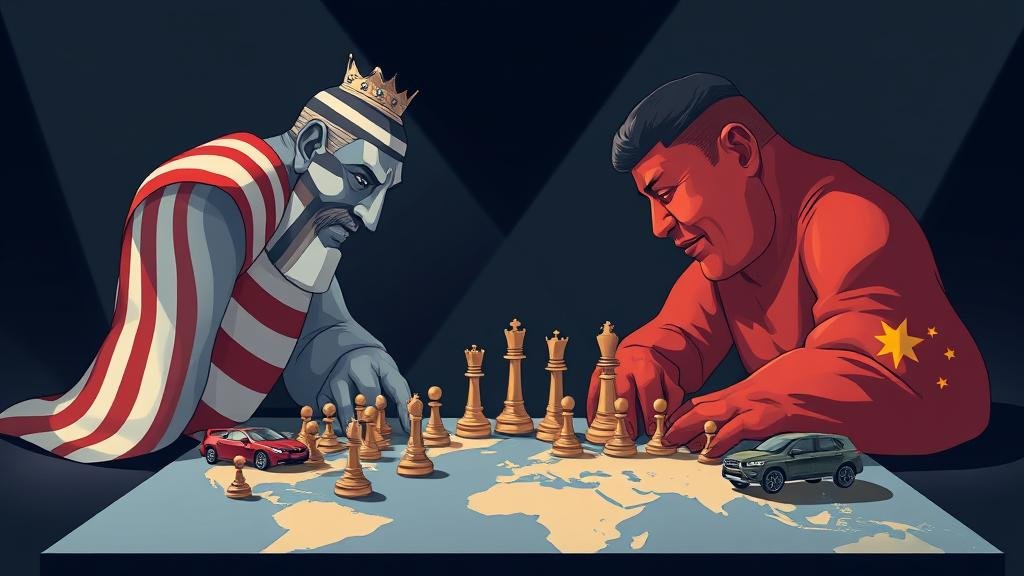
So, how did we get here? How did the global economy, once a beacon of free-trade kumbaya, devolve into a chaotic food fight with tariffs flying like mashed potatoes? The reasons are as tangled as a drawer full of old charging cables, but a few key culprits stand out in the recent rise of trade tensions.
The Globalization Hangover
Remember when globalization was pitched as the ultimate get-rich-quick scheme for the entire planet? It promised to lift millions from poverty, and in many ways, it delivered. But it also had some fine-print side effects, like job losses in developed nations and a nagging feeling that the economic pie wasn’t being shared equally. This discontent brewed a populist storm, with leaders riding a wave of “me-first” economic policy straight into a new era of protectionism.
The Great Geopolitical Game
Global trade is no longer just about who sells the most coffee or cars. It’s the new season of Game of Thrones, where the US and China are locked in a fierce battle for economic dominance, using tariffs and regulations as their weapons of choice. This intense US-China trade rivalry has cast a long shadow of uncertainty over the global economy, making businesses feel like they’re walking a tightrope in a hurricane.
The Pandemic Plot Twist
Then came COVID-19, the ultimate disruptor. Suddenly, everyone had a collective freak-out when they realized their toilet paper was on a solo trip across the ocean. This global supply chain scare triggered a frantic push for “onshoring” and “friend-shoring”—a fancy way of saying “let’s make our own stuff or get it from our close buddies.” While this move boosts national security, it also risks fracturing the global economy into a series of disconnected, insular cliques.
The Age of Avengers: A Call for Multilateralism
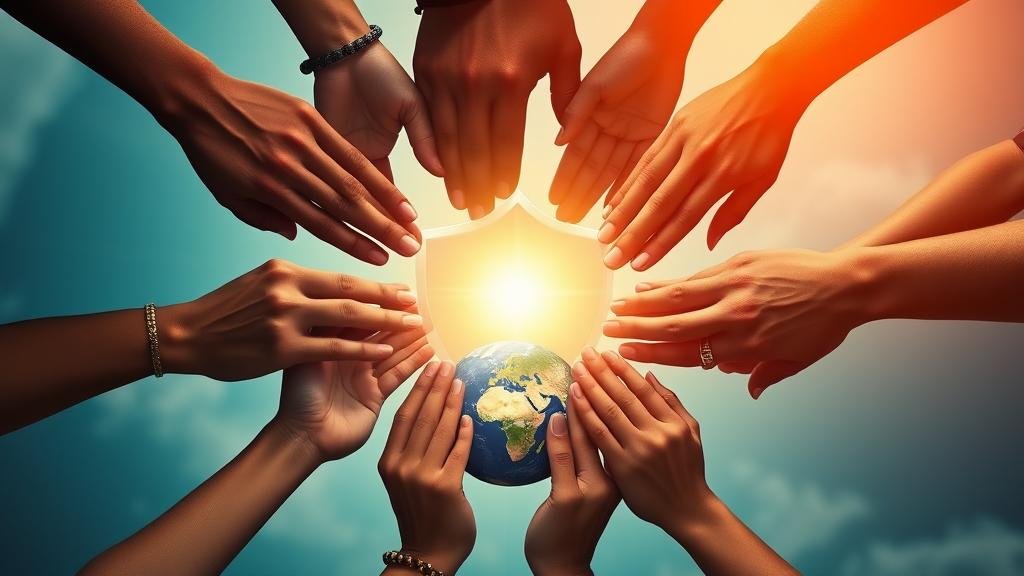
After all that talk of doom and gloom, are you ready for the superhero team-up? Because that’s essentially what the call for multilateralism is. Before your eyes glaze over, let’s unpack it. Multilateralism is the radical notion that three or more countries working together can solve problems better than one nation throwing a solo tantrum. It’s the grown-up word for international cooperation, usually managed by institutions like the UN or the World Trade Organization (WTO).
Your Shield Against Protectionism
One of the most compelling arguments for multilateralism is its role as the world’s designated driver. It establishes a set of rules and a forum for debate (the WTO) to prevent countries from engaging in destructive trade wars. As UN Secretary-General Antonio Guterres often emphasizes, even in a politically polarized world, this framework is our best shot at getting things done. Think of it as a referee in a particularly heated soccer match—it may not a be perfect system, but it’s better than a full-on brawl.
The Engine for Sustainable Growth
This isn’t just about damage control; it’s about building a better future. By fostering collaboration on massive challenges like climate change and digital trade, multilateralism can be a powerful engine for sustainable growth that doesn’t burn out our planet. The vision of a “green economy”? That requires a level of global coordination that makes planning a surprise party look like child’s play. No single country, no matter how powerful, can achieve this alone.
A Blueprint for a Fairer World
Let’s be honest: for a long time, the global economy has felt like a game where only the team captains make the rules. Multilateralism is an attempt to give smaller nations a voice, ensuring that the most powerful players don’t just take their ball and go home. In an era of widening inequality, this isn’t just a nice idea—it’s a necessity for a more just and stable world.
The Road Ahead: Hurdles and Horizons
Of course, getting everyone to join hands and sing “We Are the World” isn’t as easy as it sounds. Rebuilding trust in the multilateral trading system will require more than just a few strongly worded emails.
The WTO Needs a Glow-Up
First on the to-do list: WTO reform. The organization’s dispute settlement system is currently in limbo, and its rulebook is as outdated as a dial-up modem. Modernizing the WTO to handle the complexities of the 21st-century economy, from e-commerce to AI, is a critical first step.
Bridging the Great Divide
Then there’s the elephant in the room: the US-China economic competition. This ongoing geopolitical saga is making everyone else nervous. Finding a way to manage this rivalry without tearing the global economy apart is the trillion-dollar question that will define the future of global trade policy.
Winning Hearts and Minds
Ultimately, leaders can’t just tell their citizens, “Trust us, international cooperation is good for you!” They need to sell the vision and be transparent about the pros and cons, especially when local communities are feeling the pain of economic disruption. It’s a tough conversation, but a necessary one.
What This Means for You
Still with me? You’re a trooper. So, why should you, a savvy investor, care about all this political drama? Because your portfolio does. A world that embraces multilateralism is likely to be more stable, predictable, and prosperous. A world that gives in to nationalist impulses and trade tensions is a world of volatility and nasty economic surprises. Staying informed about these trends isn’t just an academic exercise; it’s about positioning yourself to thrive in an ever-changing global economy. The call for multilateralism is more than just diplomat-speak; it’s a signpost for where the smart money might be heading next.