Frozen Russian Assets: The G7’s High-Stakes Plan for Ukraine Aid

The G7’s Multi-Billion Dollar Question: What to Do with Frozen Russian Assets?
Imagine finding $300 billion in a forgotten bank account. That’s the situation the G7 is facing with Russia’s sovereign assets, which have been frozen in Western banks since 2022. As traditional funding for Ukraine becomes less certain, this immobilized wealth is now at the center of a bold G7 plan.
The leading proposal, pushed by the U.S., is a masterclass in financial creativity. Instead of seizing the principal—a move that would trigger legal chaos—the plan is to use the future interest from these assets to secure a massive reparations loan for Ukraine. This interest alone is estimated at $3-5 billion per year, offering a vital lifeline. The European Commission is considering a “loan-not-seizure” model to raise nearly $95 billion, aiming to support Ukraine without violating international law. But not everyone is on board.

The Unmistakable Urgency for Ukraine Aid
This isn’t just about clever accounting; the stakes are incredibly high. Ukraine’s finance minister has warned of a severe budget deficit, and without a significant injection of Ukraine aid, the country might have to resort to printing money to fund its defense. That’s a direct path to hyperinflation and economic collapse.
For the G7, the decision is a test of credibility. Failing to act would be a major victory for Moscow and a significant blow to the West. A Ukrainian collapse would create a security and humanitarian nightmare, leaving an emboldened Russia on the EU’s doorstep. The entire world is watching to see if the G7 can deliver on its commitments.
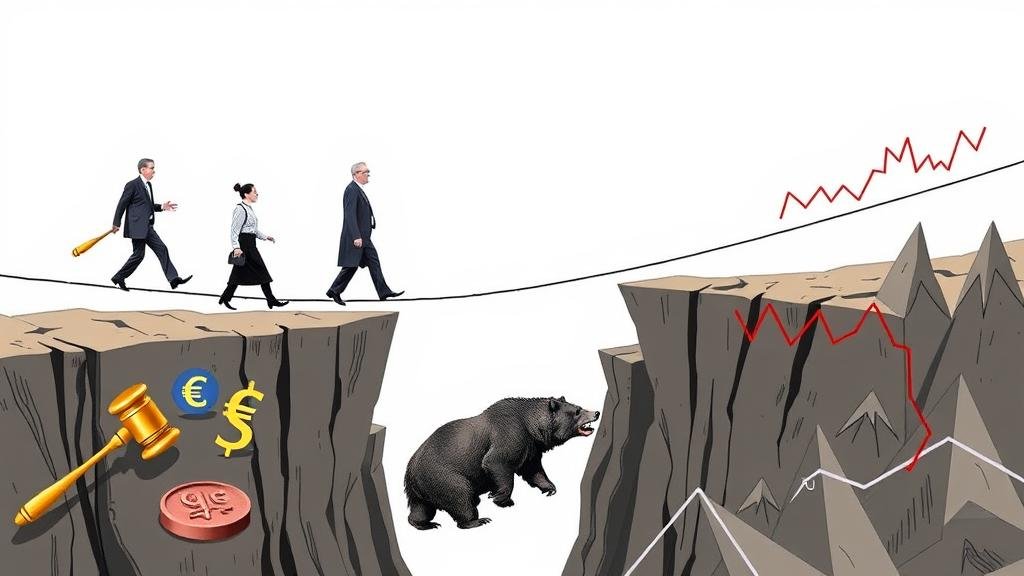
Navigating a Legal and Financial Minefield
Despite the urgent need, this creative financing plan faces major obstacles. A large portion of the frozen Russian assets is held by Euroclear, a single Belgian company, giving Belgium significant influence over the decision. Countries like Belgium, Germany, and France are hesitant, pointing to several critical risks.
1. The Precedent of Sovereign Immunity
A foundational principle of international law is “sovereign immunity,” a pact between nations not to seize each other’s assets. Breaking this rule could set a dangerous precedent, potentially leading to a global free-for-all of asset seizures. Critics worry it could destabilize the very legal order that governs international relations.
2. The Risk to Financial Stability
If countries like China begin to doubt the safety of Western banks for their reserves, they could pull their funds from the dollar and the euro. This would threaten global financial stability, creating uncertainty in a system that relies on trust.
3. The Threat of Russian Retaliation
Moscow has made its position clear: any seizure would be met with a “symmetrical” response. This threat of Russian retaliation could include seizing Western assets, launching cyberattacks, and initiating a protracted legal war that would benefit no one.

The Moral Imperative vs. Pragmatic Risks
The debate among G7 finance ministers is intense. The U.S. and the UK argue that since Russia is the aggressor, it should pay for the damage, making the moral case for action paramount. On the other side, continental European nations, being geographically closer to the conflict, are more cautious. They fear the potential economic and political fallout, creating a classic head-versus-heart dilemma on a global scale.
What’s Next? The Difficult Road Ahead
With a consensus proving difficult, a compromise is gaining traction: applying a windfall tax to the profits generated by the assets and using those funds for a smaller loan. This approach is seen as legally safer, though even it faces resistance from the European Central Bank, which fears it could still tarnish the euro’s reputation. The path forward is fraught with challenges and requires a delicate balancing act.
The Takeaway: A High-Stakes Gamble
The plan to use frozen Russian assets is a sign of how critical the situation has become. It’s a high-stakes financial gamble that could prove to be either a brilliant strategic move or a disastrous misstep.
Here’s the bottom line:
- Ukraine’s economy is on the brink and desperately needs aid.
- The G7 plan to use interest from frozen assets for a reparations loan is both innovative and risky.
- European nations are worried about violating international law and sparking Russian retaliation.
- The final decision will be a tug-of-war between moral obligations and financial caution.
As this financial drama unfolds, it’s clear that the rules of global power and finance are being rewritten. The outcome will be a defining moment in the ongoing conflict, with consequences that will be felt for years to come.