The New Affluent: Why High-Income Shoppers Are Embracing Discount Stores

The Unexpected Rise of the Affluent Shopper in Discount Aisles
It once seemed an unlikely pairing: a luxury vehicle in the parking lot of a dollar store. Yet, this scenario is becoming increasingly common. The retail landscape is undergoing a significant transformation, with an unexpected demographic shift: wealthy shoppers are now frequenting discount stores, and it’s a trend that’s redefining the very concept of “smart money.” This isn’t just about saving a few dollars; it’s a strategic move by those who understand that a good deal is a good deal, regardless of one’s income bracket.
The Data Behind the Dollar: High-Income Earners Are Shopping Differently
Recent data from retailers confirms this trend. Dollar Tree, for example, has reported a substantial increase in new customers from households earning over $100,000 a year. In a single quarter, the company attracted 3 million more households, many of whom are presumed to be traditional customers of higher-end grocery chains.
While the average spending per visit from these new, more affluent shoppers is currently lower, the strategy is clear: attract them with low prices and win their loyalty over time. It’s a long-term play to capture a new segment of the market that, until recently, was largely untapped by discount stores.
It’s Not About Being Cheap; It’s About Fiscal Responsibility
The driving force behind this shift is a change in mindset, spurred by persistent inflation. While high-income families may not be as impacted by the rising cost of everyday items, they are more conscious of how their budget is being affected. This has led to a greater appreciation for value and fiscal responsibility.
- Value Over Brand Loyalty: Affluent shoppers are realizing that store-brand household goods can be just as effective as their pricier, name-brand counterparts. Why pay more for a label when the product itself delivers the same results?
- Strategic Savings: Saving money on everyday essentials frees up funds for other financial goals, such as investments, vacations, or paying down debt. It’s a strategic choice, not a compromise.
- The “Treasure Hunt” Experience: Dollar stores offer a unique shopping experience, with a constantly changing inventory that creates a sense of discovery. This “treasure hunt” for great deals provides a satisfaction that goes beyond simple savings.
How Discount Stores Are Adapting to Their New Clientele
This influx of wealthy shoppers is no accident. Discount stores have been strategically evolving to appeal to a broader customer base.
Dollar Tree’s Multi-Price Strategy
Dollar Tree moved away from its iconic “everything’s a dollar” model, introducing items at higher price points. This has allowed them to offer a wider variety of higher-quality products, from kitchen gadgets to home décor, signaling to shoppers that they are more than just a source for cheap novelties.
Dollar General’s Innovative Concepts
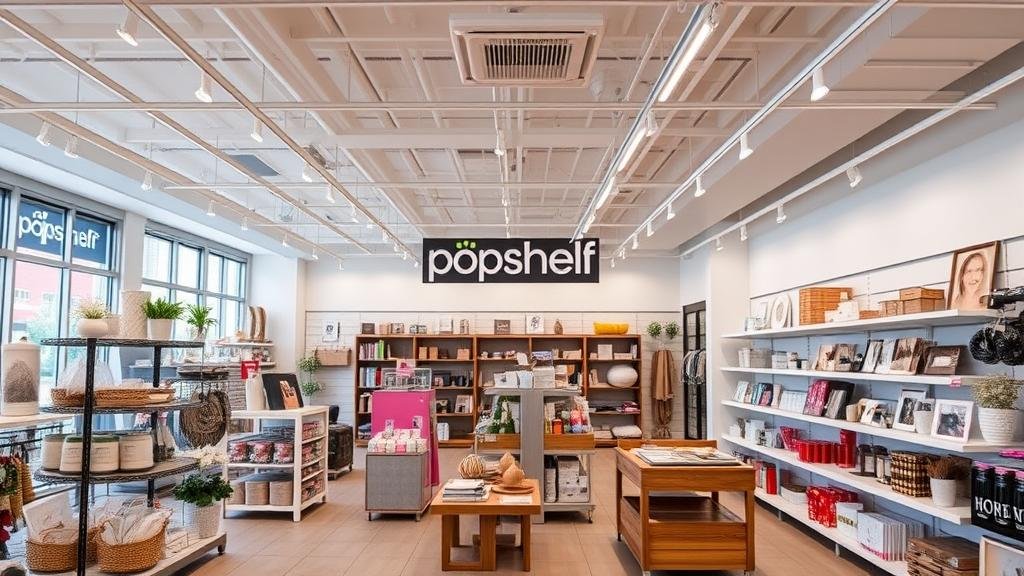
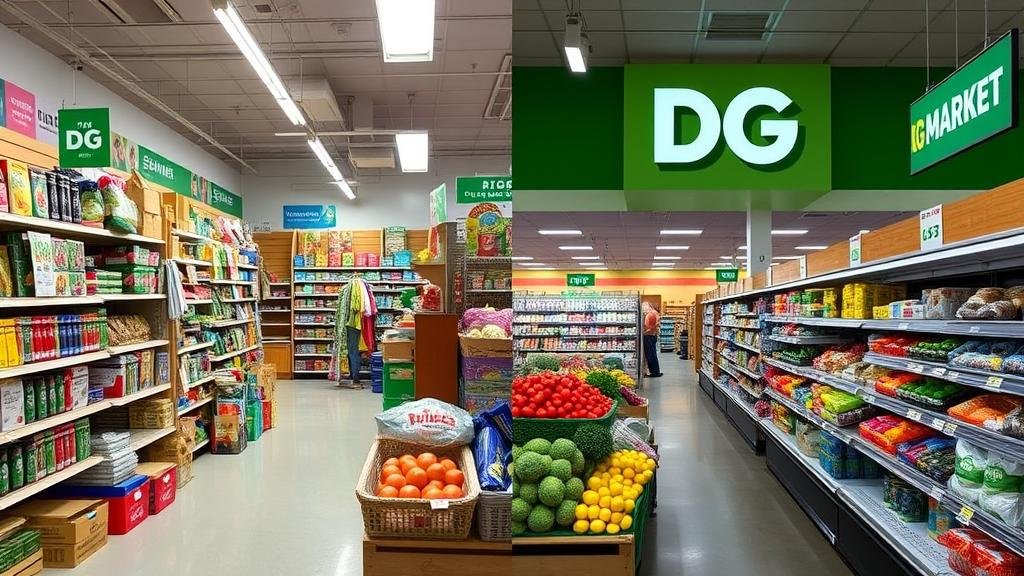
Dollar General has also been a key player in this evolution, with the launch of its pOpshelf and DG Market stores. pOpshelf offers a more curated, boutique-like shopping experience, with a focus on trendy home goods and décor. DG Market stores, on the other hand, are expanding their grocery offerings to include more fresh produce, directly competing with traditional supermarkets.
The Future of Retail: A Blurring of the Lines
The migration of affluent shoppers to discount stores is not a passing fad; it’s a fundamental shift in the retail landscape. The lines between grocery stores, big-box retailers, and dollar stores are becoming increasingly blurred. This increased competition benefits all consumers, as it forces retailers to offer better value for their money.
So, the next time you see a luxury car at a dollar store, remember that the person behind the wheel is likely not there out of necessity, but out of a savvy understanding of smart money and fiscal responsibility. It’s a trend that we can all learn from.