South Africa’s Risky Pivot to Russia: A High-Stakes Gamble for the Nation
Foreign policy. It might sound dull, but what if it’s the script for a global drama? That’s what’s happening with South Africa-Russia relations, and it’s a high-stakes geopolitical shift.
Think of it like this: South Africa is publicly unfriending its long-term Western allies to embrace Russia. This dramatic pivot is raising eyebrows and big questions. For a nation facing its own economic challenges, is this a brilliant strategic move or a catastrophic error? Let’s dive into the policy, the history, and the jaw-dropping economic risks of this foreign policy gamble.

The Policy That’s Sparking Global Debate
This isn’t about a single document. It’s a series of actions—public statements, voting patterns, and diplomatic spats—that all point to one thing: South Africa is distancing itself from the West and strengthening its ties with Russia.
The tension with the U.S. and its allies is escalating. South African officials have pushed back against what they call an “unhealthy obsession” from the West regarding their relationship with Russia and China. This was highlighted when Western nations raised concerns about corruption, and Pretoria responded with a sharp public rebuke, calling it a diplomatic foul.
Contrast this with the warm reception for Russia. Despite Russia’s invasion of Ukraine—a violation of sovereignty that South Africa typically champions—the government’s response has been muted. Here’s the evidence:
- UN Resolutions: South Africa has consistently abstained from UN resolutions condemning Russia’s actions.
- Military Drills: In early 2023, South Africa conducted joint naval exercises with Russia and China.
- Hosting Putin: The government invited Vladimir Putin to the BRICS summit, despite an outstanding arrest warrant from the International Criminal Court.
This diplomatic balancing act is rooted in history, but it’s looking increasingly unstable.
Unpacking the Rationale: History, Ideology, and BRICS
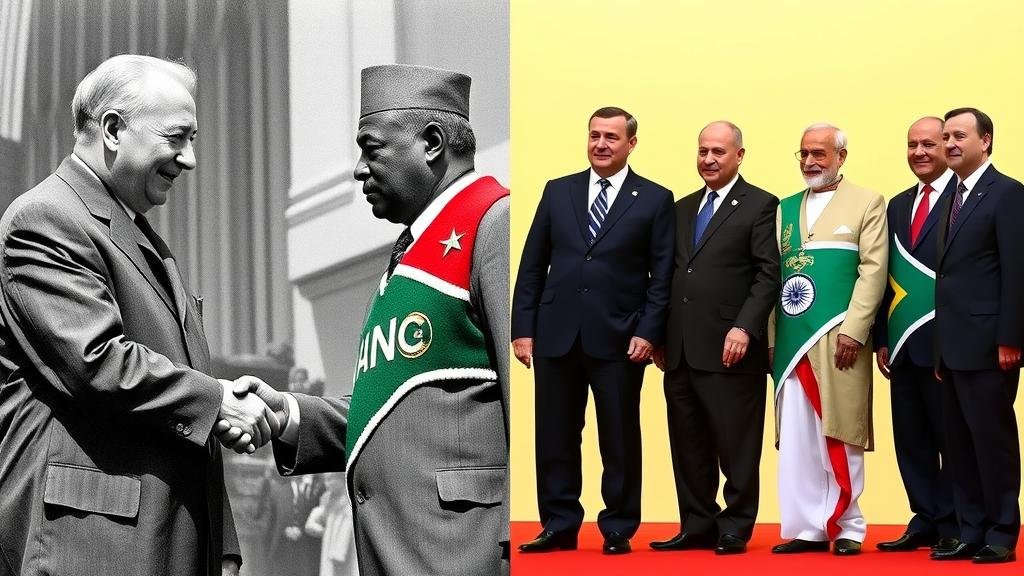
To understand Pretoria’s decisions, we need to look back at the anti-apartheid struggle. The Soviet Union was a key supporter of the ANC (African National Congress), providing financial and military aid. Meanwhile, the West was slower to act. From the ANC’s perspective, this is about loyalty to a historic ally.
Beyond history, there’s a vision for a “multipolar world,” where the U.S. isn’t the sole global power. The BRICS bloc (Brazil, Russia, India, China, South Africa) is seen as the vehicle for this change. In this context, a close South Africa-Russia relationship is a feature, not a bug. But basing a modern economic strategy on historical allegiances is a risky business.
The High-Stakes Economic Gamble
Here’s where ideology clashes with economic reality. While South Africa strengthens its BRICS ties, its economy remains deeply integrated with the West.
Trade Realities vs. Political Ambitions
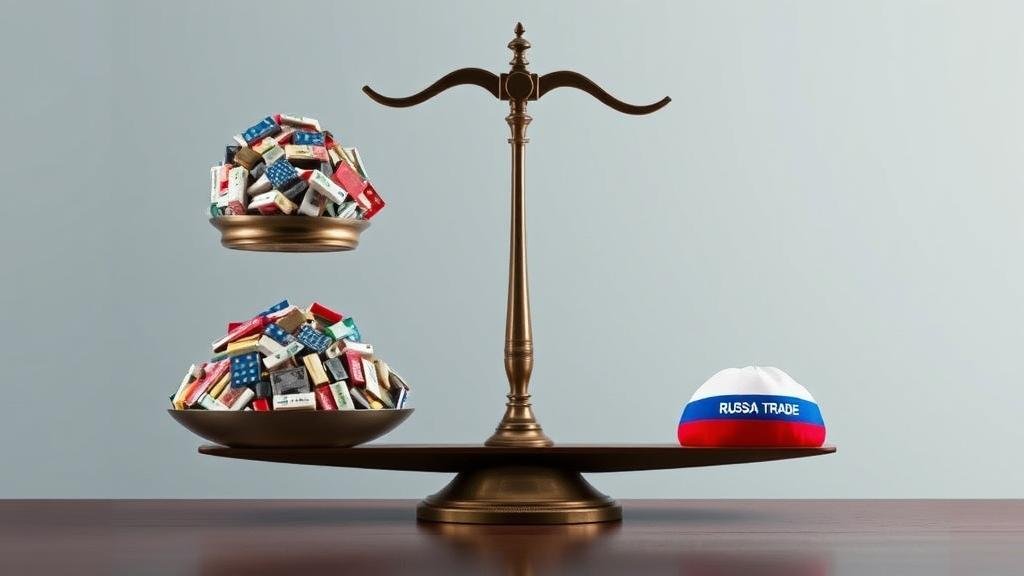
The numbers speak for themselves. South Africa’s trade relations with the EU and the U.S. are worth over $70 billion. In contrast, trade with Russia is just over $1 billion. Foreign investment from Western countries has created hundreds of thousands of jobs. Alienating these partners is like breaking up with the person who pays your rent for someone who promises to buy you a pizza.
The AGOA Lifeline at Risk
The biggest risk is the African Growth and Opportunity Act (AGOA). This U.S. program allows African nations to sell products in the U.S. tariff-free. For South Africa, AGOA supports around 62,000 jobs, particularly in the automotive industry. By antagonizing the U.S., South Africa is risking its eligibility. U.S. lawmakers are already discussing its removal. The loss of AGOA would have a devastating economic impact, leading to factory closures and mass layoffs.
A Nation Divided: The View from Within
This foreign policy has created a deep divide within South Africa.
- Political Opposition: Other parties argue that the ANC is sacrificing the economy for outdated Cold War loyalties, and that the country’s national interest should come first.
- Business and Civil Society: The business community is alarmed, watching the government jeopardize its relationship with its largest customers.
This internal conflict makes it clear that this isn’t a unified national strategy but a project driven by the ruling party’s ideology. The rest of the country is just along for the ride.
Conclusion: A Crossroads for South Africa
South Africa is at a critical juncture. Its strategy of embracing Russia while alienating the West is based on a vision for a new world order and historical loyalty. But this vision is at odds with the nation’s economic reality.
The country’s dependence on Western markets and investment cannot be replaced by its new alliances. The potential loss of AGOA is a serious threat to its economic stability.
Ultimately, South Africa must decide: is it willing to sacrifice jobs and economic stability for a foreign policy that serves a political party’s ideology more than its citizens? The stakes for the people of South Africa couldn’t be higher.