The Scholz Plan: How the EU Is Using Frozen Russian Assets for Ukraine’s Reconstruction
Let’s talk about the world’s most awkward IOU. Imagine your neighbor doesn’t just borrow your lawnmower and never return it. Imagine they drive a tank through your garden, set your prize-winning petunias on fire, and then refuse to pay for the damage. What do you do?
In the grand, confusing theater of geopolitics, this is basically what’s happening with the war in Ukraine. The economic damage is mind-boggling. So, in the hallowed halls of Brussels, a bold EU plan is being cooked up that feels straight out of a heist movie. At the center of it all? German Chancellor Olaf Scholz, bringing a dose of Teutonic pragmatism to a truly chaotic problem.
Here at Creditnewsinsider, we’ve been watching this financial maneuvering like it’s the season finale of a prestige drama. And let me tell you, this “reparations loan” plot twist is a doozy.
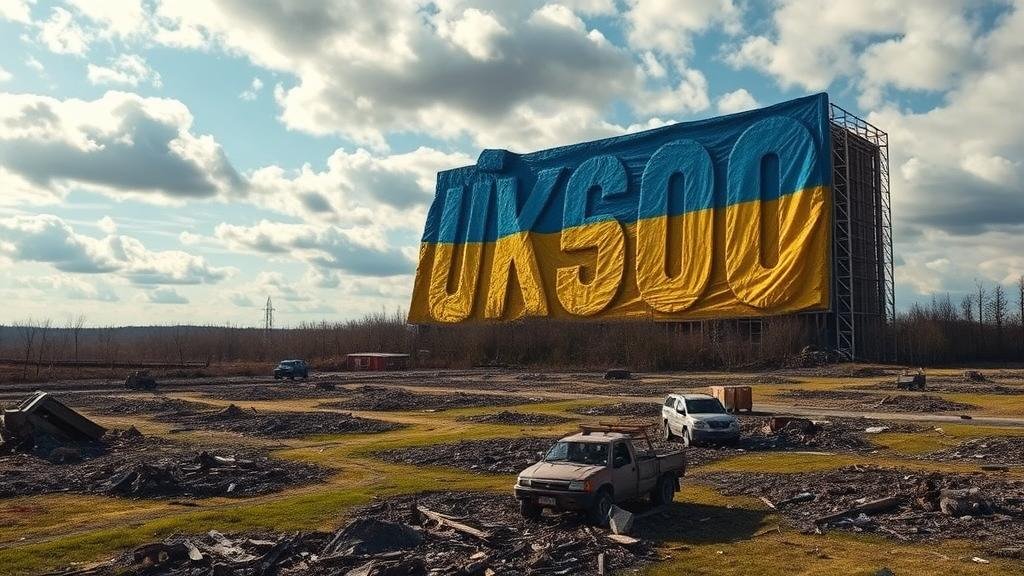
The Staggering Cost of War: A Bill That Makes Your Eyes Water
To really get why this plan is such a big deal, you first have to understand the bill for Ukraine reconstruction. The World Bank recently crunched the numbers—and I suggest you sit down for this—and estimated the cost is pushing $500 billion. That’s not a typo. That’s five-hundred with nine zeros. It’s a number so big my calculator just sent me an out-of-office reply.
This isn’t just about fixing bridges and buildings. This is about keeping a country running while it’s fighting for its life. The Ukrainian government has to fund its army, keep the lights on for its citizens, and somehow plan for a future that isn’t covered in rubble. International aid has been the duct tape holding things together, but let’s be real, you can’t rebuild a nation with duct tape. You need a bigger toolbox.
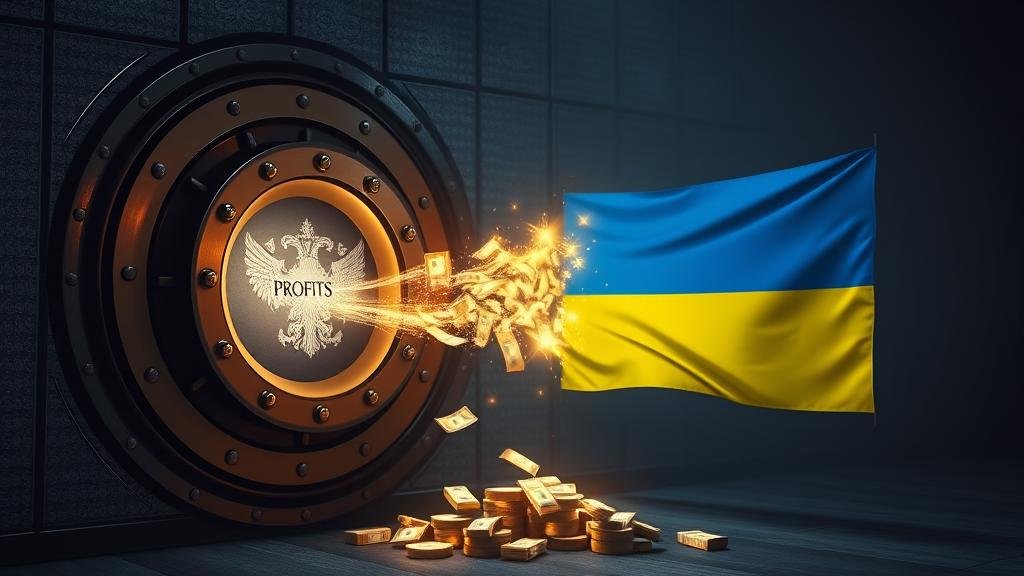
A New Financial Frontier: Or, “How to Make the Bad Guy Pay”
This is where things get interesting. Instead of just handing Ukraine more money that its future taxpayers will have to pay back, the EU is getting crafty. The idea is to make the aggressor—cough, Russia—foot the bill.
The EU plan, in a nutshell: Since 2022, the EU and G7 have frozen about €200 billion in frozen Russian assets. Now, these assets aren’t just sitting in a digital mattress collecting dust; they’re generating profits. The plan is to take those profits—and only the profits—to back a massive reparations loan for Ukraine, potentially up to €50 billion.
It’s brilliantly simple. It’s like finding out the villain’s secret bank account earns interest and deciding to use that interest to fund the hero’s new suit of armor. chef’s kiss
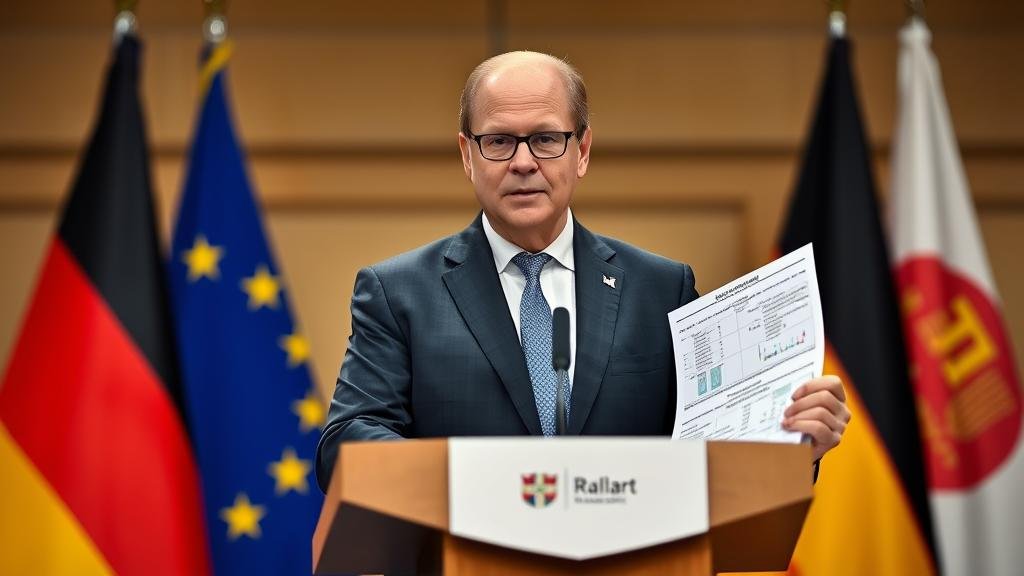
Chancellor Scholz: The Unlikely Architect of the Plan
Now, if you were betting on who would come up with this bold, financially aggressive plan, Olaf Scholz might not have been your first pick. Initially seen as playing it safe, Scholz has stepped up like a shy kid at the school dance who suddenly reveals he’s a breakdancing champion.
Sources in Brussels keep pointing to him as the main guy pushing this thing forward. My 7-year-old asked if I was done talking about international finance. I said, “Never.” Scholz seems to have realized that handing out aid in little dribs and drabs wasn’t going to cut it. Ukraine needs a fire hose of funding, not a leaky faucet.
His government has been doing the boring-but-essential work of figuring out the legal gymnastics required to use the profits from frozen Russian assets. It’s a move that has some people cheering and others biting their nails. This is also a huge signal of Germany’s new, more assertive role in Europe. By championing this Ukraine funding plan, Scholz is showing Germany is ready to do more than just send strongly worded letters. And as we’ve seen at Creditnewsinsider, getting all 27 EU members to agree on what to have for lunch is a miracle, so the fact this plan has legs is a testament to some serious diplomatic muscle.
The Road to a Deal: Navigating the Hurdles
Naturally, this wasn’t as simple as everyone saying, “Great idea!” There were legal headaches and fears that this might violate international law. (cue dramatic pause)
But here’s the clever bit that Scholz’s team helped hammer out: they agreed to only use the profits from the frozen assets, not the assets themselves. Legally, this is like saying you’ll take the apples from the tree, but you won’t cut the tree down. It’s a subtle distinction, but it was enough to get nervous countries on board.
Scholz has been hammering the point home that doing nothing would be way riskier—and costlier—in the long run. His “whatever it takes” vibe has been the project’s essential dose of caffeine.
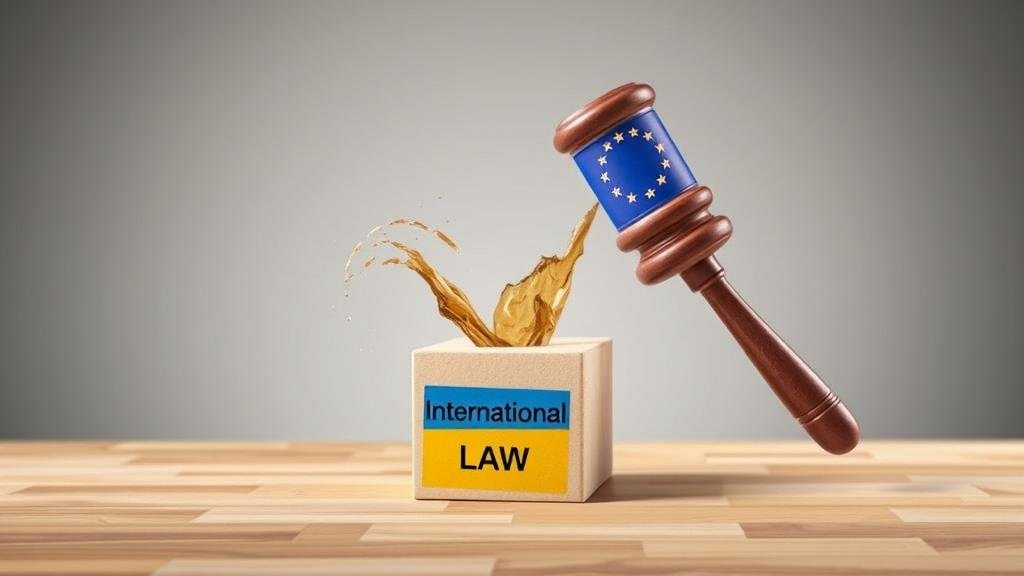
The Broader Implications: Is This the Start of Something New?
If this reparations loan goes through, it could be a game-changer for international law. It would be the first time profits from a country’s frozen assets are used to pay reparations to the victim of its aggression. Think of it as a financial deterrent for any other country thinking of starting an unprovoked war.
For Russia, it’s a massive financial and political slap in the face. The Kremlin is, predictably, not thrilled and has threatened all sorts of dire consequences. But the EU seems to be calling their bluff.
For Ukraine, it’s a lifeline. The money is crucial, but just as important is the message: the world is finding a way to make Russia pay for its destruction. Still reading? Wow. You’re officially my favorite.
What’s Next? The Final Push
The deal isn’t signed and sealed just yet. There are still details to iron out, and you can bet there will be more tense meetings in rooms that smell faintly of coffee and anxiety. But the momentum is real, thanks in large part to Chancellor Scholz’s leadership.
Here at Creditnewsinsider, we’ll be glued to our screens. The Scholz Plan (yeah, it’s already getting a nickname) is more than just a financial strategy. It’s a bold statement that creativity and political will can forge a path to justice, even in the darkest of times. And yes, this will be on the test.