South Africa’s High-Stakes Pivot: Navigating a Multipolar World Order
Let’s dive into foreign policy. I know, it can sound as thrilling as watching paint dry. But South Africa’s latest moves on the global stage are less “diplomatic memo” and more “unhinged group chat drama that got screenshotted.” And it is juicy.
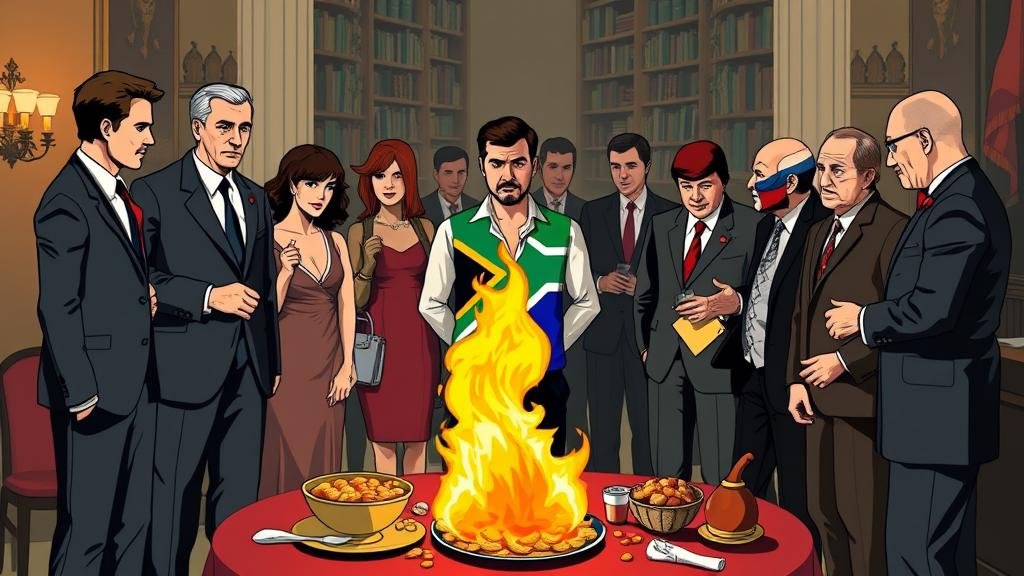
Imagine this: you’re at a party. On one side, your old crew, the Western powers. You’ve known them forever, but they can be a bit judgy. On the other side is a newer, edgier crowd, including Russia. Things are tense. What do you do? According to a recent discussion paper from South Africa’s ruling ANC party, you tell your old friends their music stinks and then ignore the fact that Russia just set the snack table on fire.
What is going on? Why is a nation with deep ties to the West suddenly ghosting its old pals for the Kremlin? Let’s unpack this diplomatic mess and the country’s apparent non-alignment crisis.
The “It’s Not Me, It’s Definitely You” Document
At the heart of this is a paper from the African National Congress (ANC). While labeled a “discussion paper,” it reads like a political burn book, shaping the geopolitical landscape.
The document slams the United States as an “imperialist” power. Think Regina George wanting to be the only one wearing pink on Wednesdays. It also, rightfully, calls out Israel’s actions in Palestine.
But here’s the kicker: there is zero criticism of Russia, the country engaged in a globally condemned war in Ukraine. The silence is deafening. It’s like complaining about a friend double-dipping their chip while another friend flips the entire table.
This isn’t just talk. South Africa has been actively cozying up to the Kremlin by:
- Refusing to condemn Russia’s invasion of its neighbor.
- Hosting joint military war games with Russia and China.
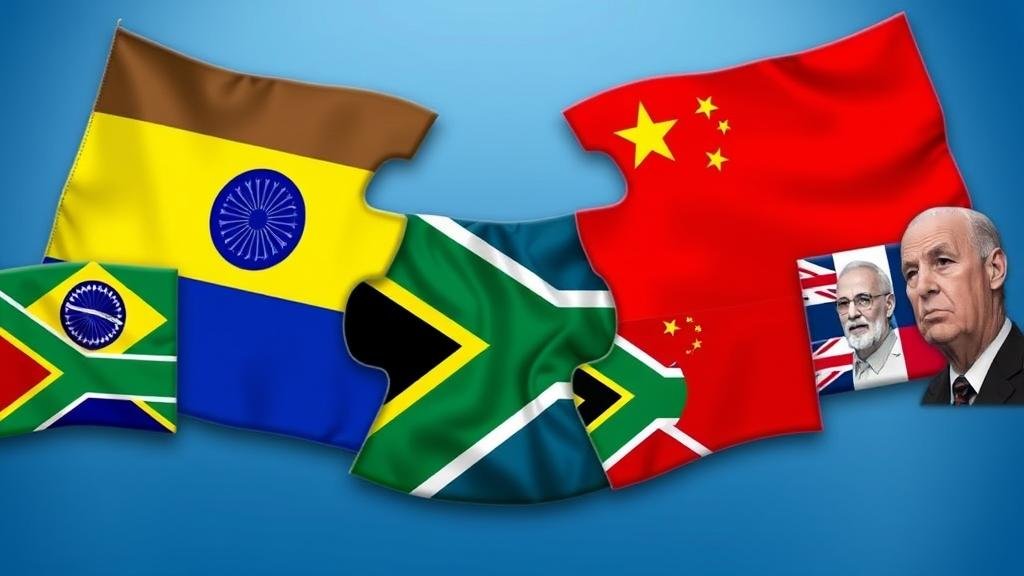
- Preaching “non-alignment” while clearly aligning with the BRICS crew (Brazil, Russia, India, China, and South Africa) in a push for a new emerging world order.
The wild part? Most South Africans aren’t on board. A Bloomberg report shows over a third would rather live and work in the US, with Russia and China barely registering. It’s a classic case of the government’s playlist being full of Russian sea shanties while the public begs for Taylor Swift.
But… Why? Old Debts and New Dreams
So, what’s driving this ANC foreign policy shift? It boils down to a mix of history, ideology, and money.
Thanks for the Memories (and the Weapons)
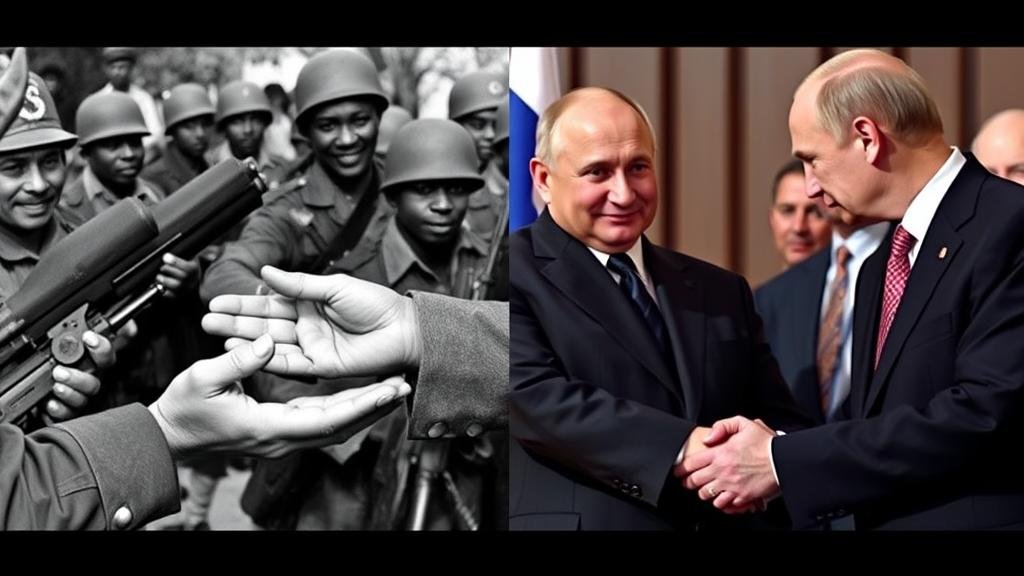
During the dark days of apartheid, the Soviet Union supported the ANC with money, training, and weapons. As The Washington Post notes, you can’t understand the ANC’s foreign policy today without looking at its past. For the party’s old guard, Russia is the heir to the Soviet Union—a friend who had their back. That loyalty runs deep, even if that friend’s new hobbies are… problematic.
The Allure of a “Multipolar World”
The ANC and its BRICS allies are pushing for a “multipolar world.” Before your eyes glaze over, this simply means a world where America isn’t the only superpower. Power is shared. The BRICS nations are trying to start a new, cooler book club because they’re tired of the old one where only US-approved books are allowed. By buddying up with Russia and China, South Africa aims to co-found this new club.
It’s the Economy, Stupid (Maybe)
While history and ideology are key, money always talks. China is South Africa’s biggest trading partner. But alienating the West is like telling your biggest customers their new haircut is ugly. The US and the EU are massive investors. This delicate dance on the high wire could have serious economic consequences.
Playing with Fire (and Your Financial Future)
This strategy is a huge gamble. By embracing Russia and snubbing the West, the ANC is walking a diplomatic tightrope over a pit of economic crocodiles.
The most immediate fallout? Frosty relations with the US and Europe. After those war games with Russia, the disappointment from Western capitals was palpable.
Domestically, the government seems increasingly out of touch. With soaring unemployment and inequality, a foreign policy that doesn’t resonate with the people is a risky look, contributing to this non-alignment crisis.
The economic fallout could be severe. For a country already in choppy economic waters, antagonizing major investors is a bold move. The risk of sanctions or drying foreign investment is very real.
The Road Ahead: A Crossroads for South Africa
South Africa stands at a fork in the road. The path laid out in this controversial document is making many nervous. Will they continue this pivot to the East, risking isolation and economic pain? Or will they mend fences with their old Western allies?
The choices made in Pretoria will determine if South Africa becomes a respected leader in a new world order or the odd one out at the G20 summit. Whatever unfolds, it’s bound to be dramatic.
And yes, this will be on the test.