Wells Fargo’s Comeback: From Scandal to a New Era in Investment Banking
From Scandal to Strategy: Wells Fargo’s Road to Reinvention
To truly get why Wells Fargo’s latest move is such a big deal, you have to rewind. Let’s be real, the last decade for the bank wasn’t exactly a highlight reel. It was more like one of those cringey documentaries about a public figure’s downfall. The 2016 account fraud scandal was the big one—the kind of mess that results in massive fines, a whole lot of side-eye from regulators, and a reputation that needed more than a little PR magic.
The result? The Federal Reserve put them in the financial equivalent of a time-out, slapping on an asset cap in 2018. This basically meant the bank was grounded and couldn’t grow its balance sheet. My 7-year-old gets the same treatment when he draws on the walls, just with fewer federal implications.
This long, boring period of regulatory penance forced the bank to do some serious soul-searching. Under new CEO Charlie Scharf, who arrived in 2019 like a stern but fair stepdad, Wells Fargo started cleaning house. A huge part of this “New Me” strategy is beefing up its Wells Fargo Corporate & Investment Banking division. With its main business capped, the bank had to find other ways to make money—specifically, fee-generating businesses that don’t require a bigger balance sheet. Investment banking, with all its juicy fees from strategic advisory and capital raising? Chef’s kiss. The bank is basically saying it’s tired of being just a participant; it’s ready to be a main character and drive growth.
Leading the Charge: The Significance of a Landmark Deal
Okay, let’s talk about the “lead left” role. Now, before your eyes glaze over like a Krispy Kreme, let’s break this down. When a giant company needs billions of dollars, a bunch of banks team up to lend it. The bank that’s “lead left” is the quarterback of the deal. They structure the whole thing, wrangle the other banks, and—most importantly—walk away with the biggest slice of the fee pie and the client’s eternal gratitude. Or, you know, at least their business for the next deal. This is a key part of their investment banking growth strategy.
By stepping up to lead a massive, complicated financing, Wells Fargo is doing more than just flashing its cash. It’s flexing. It’s showing it can:
- Handle the Heat: Leading a deal like this is like juggling chainsaws while reciting Shakespeare. You’re taking on huge risk management challenges and have to convince other investors to join the party.
- Play the Long Game: These deals are the foundation of deep, strategic relationships. For years, big companies used Wells Fargo for their checking accounts but called JPMorgan for the real money moves. It was like being the friend who helps you move apartments but never gets invited to the housewarming.
- Compete with the Cool Kids: Nailing a deal like this proves you have the chops to hang with the Wall Street titans.
Wells Fargo’s new message is crystal clear: “Why go to another bank for that billion-dollar buyout? We’re right here. And we already have your routing number.” You feel me?
Muscling In: A Multi-Pronged Assault on the League Tables
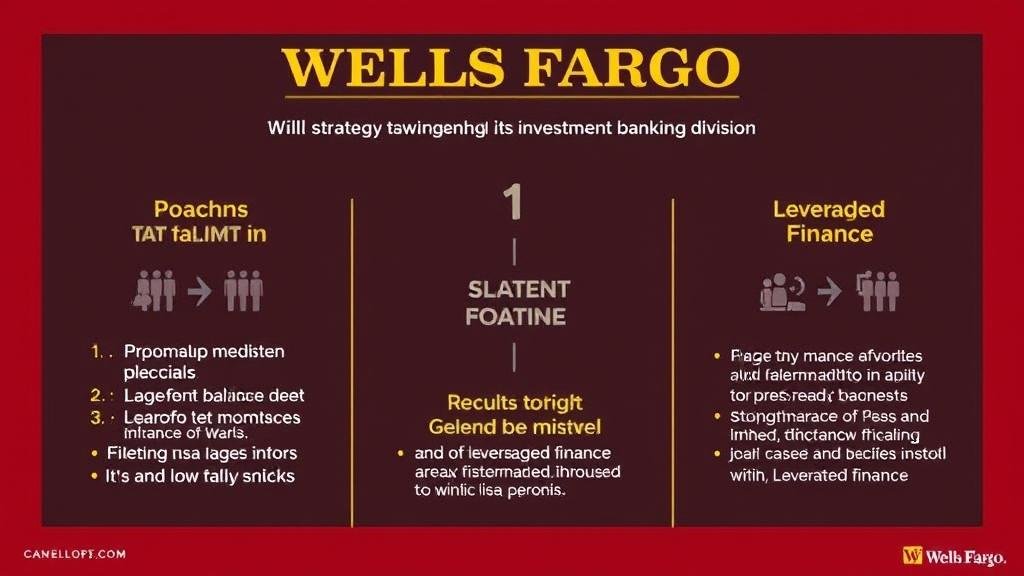
This big, flashy deal wasn’t a fluke. It was the grand finale of Wells Fargo’s Rocky-style training montage that’s been happening for years. They’ve been methodically getting in shape to challenge the big dogs.
Hiring Top Talent
First, they went on a shopping spree for bankers, focusing on talent development. The bank started poaching senior dealmakers from rivals like it was a high-stakes fantasy football draft. These new hires don’t just bring a book of business; they bring street cred. It’s a signal to the whole market that Wells Fargo is done playing in the minor leagues.
Leveraging the Balance Sheet
Here’s the boring part. Just kidding—it’s actually kinda cool. Or maybe I’ve been doing this too long. While investment banking isn’t just about lending, having a balance sheet the size of a small country is a pretty sweet superpower. Wells Fargo can commit colossal amounts of its own money to back a deal, giving clients the warm, fuzzy feeling of certainty. In a shaky market, that’s priceless.
A Renewed Focus on the Fun Stuff
The biggest fees are in the wilder corners of finance, like leveraged finance (nerd-speak for lending to companies that already have a lot of debt). By successfully leading a huge deal here, Wells Fargo is proving it can handle the spice and offer innovative industry solutions. Success in this space creates a fantastic loop: you do a big deal, which gets you more client success stories, which attracts better talent, which helps you do even bigger deals. And yes, this will be on the test. This is a crucial part of Wells Fargo’s comeback.

The Road Ahead: Challenges and Opportunities
So, is Wells Fargo guaranteed a spot in the investment banking hall of fame? Cue dramatic pause. Not so fast. The path to the top is littered with obstacles.
The Challenges:
- The Mean Girls: The established leaders—your Goldmans, your JPMorgans—aren’t just going to scoot over and make room at the lunch table. They have decades-long relationships and a brand aura that’s tough to crack.
- The Trust Thing: In high finance, your reputation is everything. Wells Fargo has to keep proving that its scandalous past is well and truly in the rearview mirror. Still reading? Wow. You’re officially my favorite.
- The Watchmen: As the bank wades into riskier waters, you can bet regulators will be watching them like a hawk with an MBA.
The Opportunities:
- The Golden Goose: Wells Fargo’s biggest advantage is its massive list of existing corporate clients. If it can convince even a small chunk of them to use its investment banking services and elevate their business, the revenue potential is insane.
- Shaking Things Up: More competition is good for everyone (except the incumbents). Wells Fargo’s push could drive down fees and create better deals for companies looking for cash.
- A New Growth Spurt: A booming investment bank would diversify Wells Fargo’s revenue, making shareholders happy and cementing its status as a full-service financial behemoth.
Conclusion: A New Era for Wells Fargo
Wells Fargo’s big financing splash wasn’t just a transaction; it was a statement. It’s the most concrete sign yet that the bank is tired of being the reliable utility player and is ready to be the MVP.
The bank is using its giant balance sheet, hiring top talent, and tapping into its massive client list to elbow its way to the top. The competition is fierce and the past still casts a shadow, but the message is loud and clear: the sleeping giant with the stagecoach logo has woken up, and Wall Street has a very rich, very ambitious new rival to worry about.