Ethical Investing: How Political Risk Creates a Ticking Time Bomb for Your Portfolio
Ah, ethics and investing. Two topics guaranteed to liven up any dinner party. Just kidding—mention either one and watch your friends suddenly remember they have to go… uh… organize their sock drawer. But stick with me here, because when the ethical foundations of a country’s leadership get wobbly, it can create a ticking time bomb of political risk for your portfolio.
Let’s be real: this isn’t about partisan politics. It’s about the fundamental principle that a government’s integrity is directly tied to the health of its economy. When those engaging in ethical investing feel like the game is rigged, they tend to take their ball—and their billions—and go home.
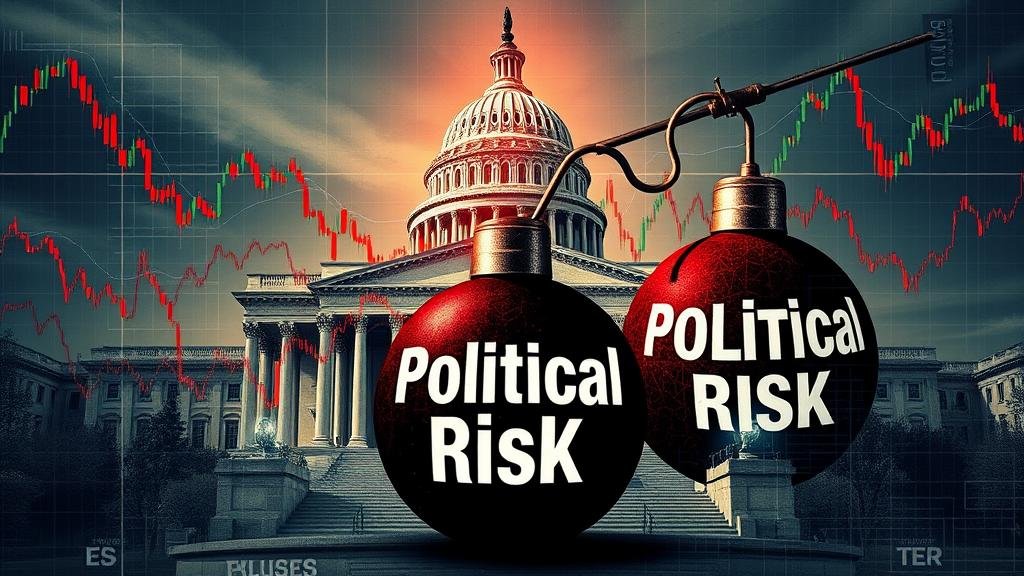
Blurring the Lines: When the Presidency and Private Business Collide
One of the most significant departures from tradition during the Trump administration was the President’s decision not to divest from his sprawling business empire. This created a situation more tangled than a pair of headphones left in a pocket. The lines between public service and private profit became dangerously blurry, adding a new level of investment risk to the market.
Suddenly, you had to ask:
- Are policies being cooked up for the good of the country, or to boost bookings at the President’s hotels? When foreign dignitaries and lobbyists flock to Trump-owned properties, it raises questions for those committed to socially responsible investments.
- Is foreign policy being influenced by business interests overseas? Even the perception of a link between a presidential tweet and a potential real estate deal is enough to give the market a bad case of the jitters.
- Do companies with ties to the Trump Organization get a hall pass? The whiff of a pay-to-play culture, real or imagined, is kryptonite to the idea of a level playing field, a cornerstone of a healthy market.
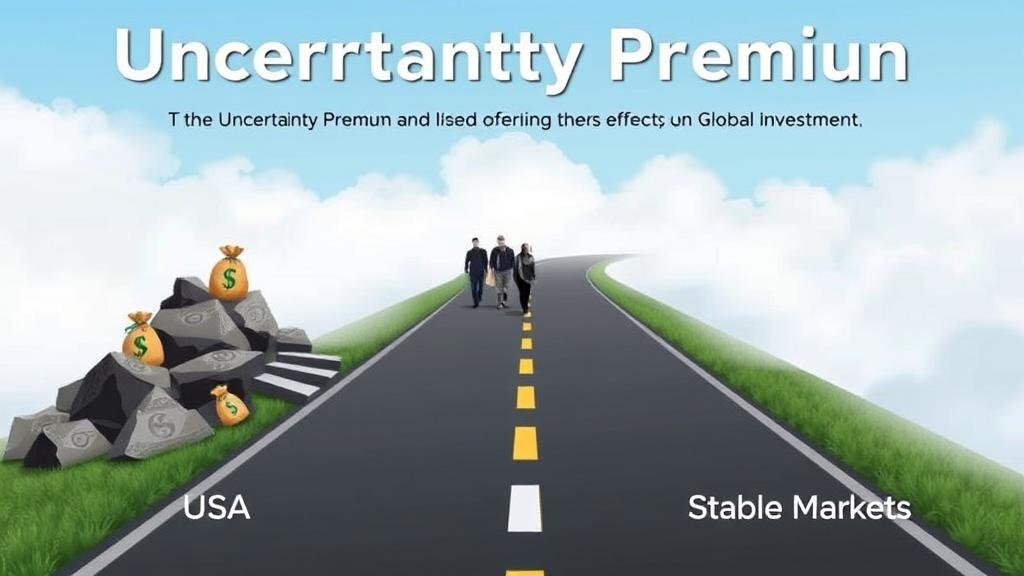
This constant ethical heartburn created what economists call an “uncertainty premium,” a hidden cost we’ll break down for your wallet.
The Erosion of Institutional Trust: A Threat to Market Stability
Beyond personal business, the administration’s approach to ethical norms had the same effect on our governing institutions as a toddler with a crayon on a white wall. This institutional decay is arguably a bigger, scarier monster for long-term investors.
We saw this play out in a few key areas:
- The Weaponization of “Fake News”: When the free press—a crucial source of information for investors—is constantly attacked, it becomes harder to separate vital market signals from political noise.
- The Politicization of Government Agencies: When institutions like the Justice Department are treated less like impartial referees and more like political pawns, it sends a shiver down the spine of the market. This directly increases metrics like the Economic Policy Uncertainty Index (EPUi).
- The Hollowing Out of Ethics Oversight: Firing multiple inspectors general—the internal hall monitors of government—sent a clear message: accountability is not on the syllabus.
For an investor, especially one from overseas, this is a five-alarm fire. It signals that the stable, rules-based system that made the U.S. a safe bet might be compromised by geopolitical risk.
The “Uncertainty Premium”: The Hidden Cost of Political Risk
So, what’s this “uncertainty premium”? It’s the extra cash investors demand to take on the extra investment risk created by political instability.
Think of it this way: You have two job offers for the same pay. One is at a stable company. The other is at a startup where the CEO makes decisions based on his daily horoscope. You’d need a much bigger salary to even consider the second job, right? That extra salary is your “uncertainty premium.”
The Trump administration’s ethical gymnastics forced investors to demand a higher premium on U.S. assets. This can lead to:
- Higher borrowing costs for everyone.
- Foreign investors taking their money to less chaotic markets.
- More market volatility, with stocks jumping up and down. You can see this reflected in indicators like the Volatility Index (VIX), which measures market fear.
A Global Perspective: How America’s Ethical Standing Affects Foreign Investment
For decades, the United States was the Tom Hanks of global economies—reliable and trustworthy. But when an “America First” posture was combined with questioning alliances, our international reputation for stability took a hit. It’s like being the most popular kid in school who suddenly starts wearing their clothes inside out. Predictability is crucial for attracting Foreign Direct Investment (FDI), and when that wanes, so can the investment.
The Final Word: The Enduring Cost of Ethical Lapses
The big moral of the story isn’t about a sudden, fiery market crash. It’s about the slow, quiet erosion of investor confidence. The full impact might take years to measure, but it’s clear the climate of uncertainty had a corrosive effect. For investors, it means you can no longer just look at a balance sheet; you also have to check the ethical temperature and the associated political risk. The ultimate takeaway? Ethical investing isn’t just for philosophy majors anymore. It’s a core component of a healthy economy.