A Friendship Tested: Germany and Israel Navigate the Gaza Conflict

A Friendship Tested: The Roots of Disagreement
Even the most solid friendships can hit a rough patch. It’s like when your best friend gets a questionable tattoo on a whim. You defend their choice, but you might also suggest long sleeves for family dinners. This is the tightrope Germany is walking with Israel right now.
In the wake of the horrific Hamas attacks, Germany’s support for Israel was unwavering, championing its right to self-defense. But as the Gaza conflict intensified, Germany’s tone began to shift, expressing concern over the humanitarian crisis. This diplomatic shift culminated in a historic abstention on a UN ceasefire vote—a move seen in Israel as a significant crack in their otherwise solid friendship. The message, while not a “no,” was a far cry from a resounding “yes,” creating palpable tension in Germany-Israel relations.
Adding to the complexity, German Foreign Minister Annalena Baerbock has been vocal about the need for more humanitarian aid and fewer civilian casualties in Gaza. While many global leaders agree, this public pressure has been met with a frosty reception in Jerusalem, where the focus remains on dismantling a terrorist organization.
A High-Stakes Visit: Mending Fences and Reaffirming Alliances
With the relationship status teetering on “It’s Complicated,” German Chancellor Olaf Scholz embarked on a high-stakes visit to Israel. This was more than a photo-op; it was a diplomatic mission to mend fences and reaffirm a core alliance.
Scholz is performing a delicate balancing act. On one hand, he holds Germany’s historical commitment to Israel’s security—its Staatsräson, or “reason of state,” an almost sacred political principle. On the other, he is juggling international pressure and a genuine concern for the escalating humanitarian crisis. This visit is Scholz’s attempt to prove that Germany can be both a steadfast friend to Israel and a responsible global partner.
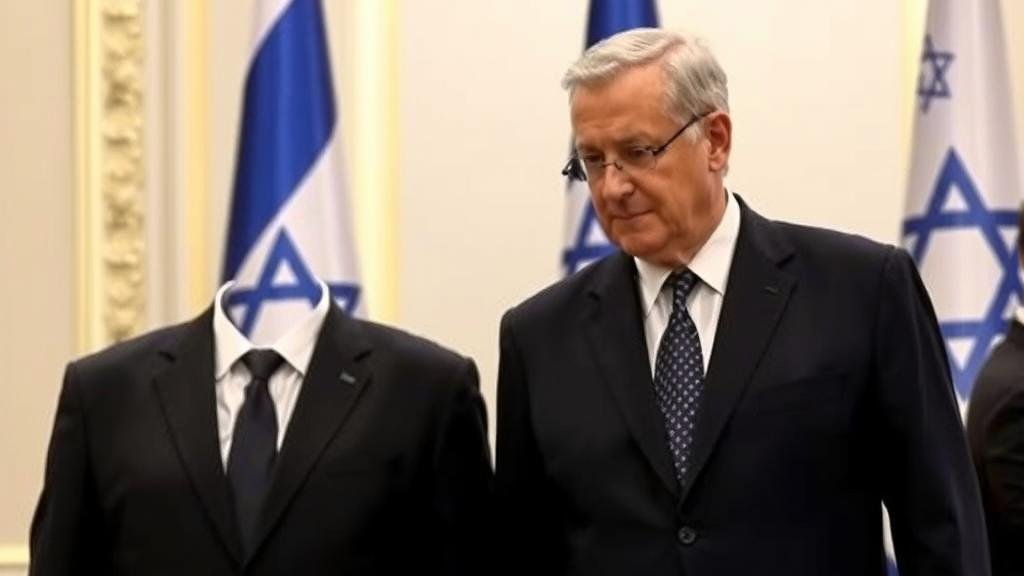
The View from Jerusalem: A Cautious Welcome
In Jerusalem, Scholz’s arrival was likely met with a mix of relief and skepticism. As international pressure on Israel mounts, the wavering of a key ally like Germany has been a significant blow. Scholz’s visit offers a chance to reinforce their bilateral cooperation and present a united front against terrorism.
However, the welcome is cautious. Israel is looking for solidarity, not a lecture on its military conduct, especially not in the public eye. The Israeli government wants to focus on shared security interests and secure Germany’s continued support in the ongoing Israel-Palestine conflict.

A Diplomatic Balancing Act: The Road Ahead
Chancellor Scholz’s trip encapsulates the immense diplomatic challenge of the moment. He must navigate the moral clarity of supporting a democracy against a terrorist group while addressing the heart-wrenching reality of civilian suffering and the risk of a wider regional conflict.
For Germany, this is deeply personal. The country’s history has forged an iron-clad responsibility for Israel’s security, a concept woven into its political DNA. Yet, as a leading EU member, Germany cannot ignore the global outcry over the crisis in Gaza. Scholz is threading a needle in a hurricane, aiming to be both a loyal friend and a pragmatic leader.
Looking Forward: A Path to Reconciliation?
Can the two nations overcome their differences? The path to restoring their uncomplicated friendship will be challenging. The core disagreements about the Gaza war remain, simmering beneath the surface of diplomatic pleasantries.
Still, the fact that Scholz made the trip underscores the profound importance of Germany-Israel relations to both sides. It signals a shared commitment to an alliance they are not ready to abandon. The coming days will reveal if they can find a path toward reconciliation while navigating the complexities of peace in one of the world’s most volatile regions. The stakes couldn’t be higher.