Mar-a-Lago’s Secrets: Will the Dismissed Trump Case Keep Classified Documents Hidden Forever?
The blockbuster thriller that was the Mar-a-Lago classified documents investigation just got a series finale no one saw coming. In a stunning move, Judge Aileen Cannon dismissed the indictment in the Trump classified documents case, leaving a nation of political junkies and transparency advocates with a collective “Wait, what?”. The DOJ investigation into the handling of these sensitive materials has been a masterclass in cliffhangers, but the biggest question now is whether the truth will remain forever hidden behind a wall of redactions. Here at Creditnewsinsider, we’re usually focused on financial transparency, but the battle over government transparency in the FBI search of Mar-a-Lago is a high-stakes drama we can’t ignore.
A History of Black Bars
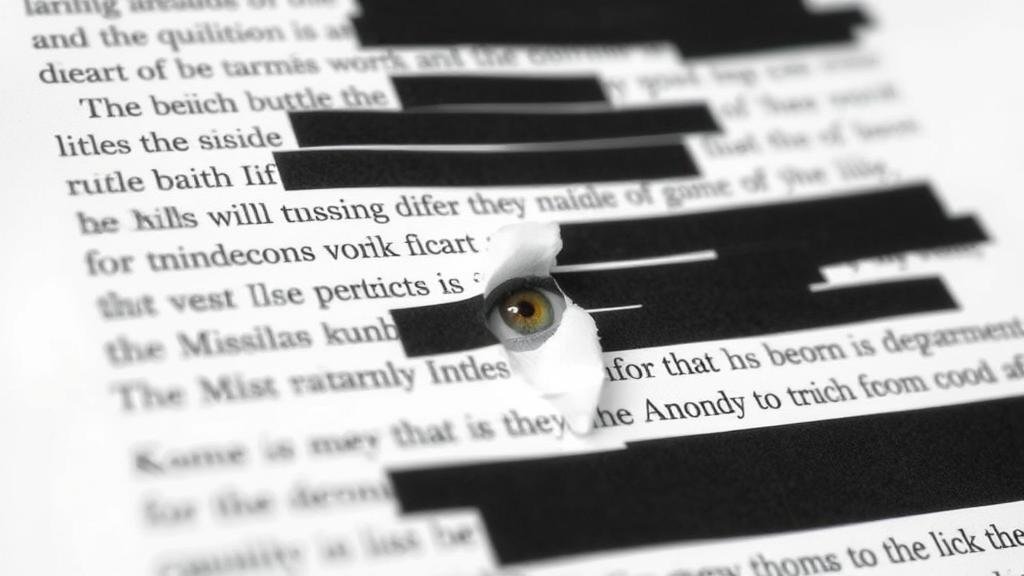
This anxiety over secrecy isn’t new; it’s practically a recurring character in this saga. When the search warrant affidavit for the Mar-a-Lago raid was first unsealed, it was so heavily redacted it looked like a piece of modern art. Entire pages were blacked out, fueling speculation and a healthy dose of suspicion.
The Department of Justice argued that these redactions were critical for protecting “a broad range of civilian witnesses” and safeguarding their intelligence-gathering methods. While protecting sources is understandable, the sheer volume of black ink set a precedent for secrecy, leaving the public to wonder just how much of the story they were being denied.
More Than Just Old Paperwork
Let’s be clear: the documents at the heart of this case weren’t just misplaced memos. We’re talking about highly classified documents—so sensitive that even some senior Justice Department officials reportedly lacked the security clearance to view them. This extreme level of classification gave the DOJ a powerful argument for keeping the details under wraps.
Adding to the intrigue, the indictment alleged a concerted effort to obstruct the investigation, a high-stakes game of hide-and-seek with national secrets. When you believe evidence was intentionally concealed, it’s no surprise that you’d be cautious about revealing your hand.
The Decisive Showdown: National Security vs. Transparency
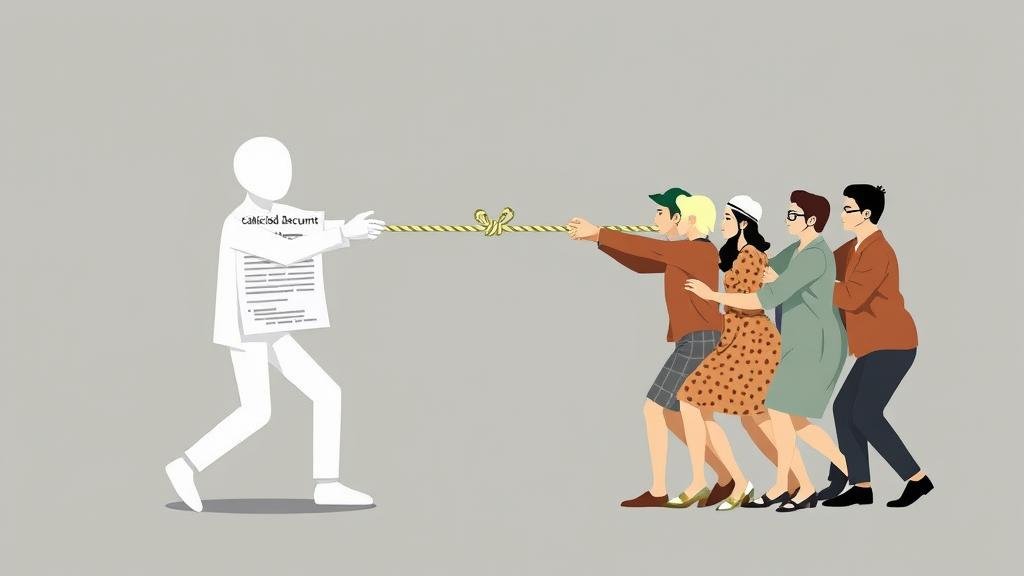
This case has always been a legal tug-of-war. On one side, Team National Security argued that releasing the unredacted documents could cause “exceptionally grave damage.” On the other, Team Transparency—and Trump’s defense team—argued that a secret legal process undermines public trust and makes a fair defense impossible.
The referee in this match, Judge Aileen Cannon, ultimately made a call that ended the game. Her decision to dismiss the case on the grounds of the special counsel’s appointment has shifted the conversation from “what will be revealed?” to “what will be forever sealed?”
What Remains in the Shadows?
Even with the case dismissed, the “Redaction Bingo” card is still full of mysteries. The information we will likely never see includes:
- Confidential Informants: The identities of those who cooperated with the government will remain a closely guarded secret.
- Intelligence Methods: The “how” of spying is one of the government’s most protected secrets.
- The Crown Jewels: The actual contents of the most sensitive documents are now almost certain to remain classified.
- Related Investigations: Any information that could hint at other ongoing inquiries will stay under lock and key.
A Nation Left Guessing
The dismissal of the Trump classified documents case is more than just a legal headline; it’s a pivotal moment in the ongoing debate about government transparency. While the legal battle may be over, the questions it raised are more relevant than ever. A nation that was refreshing its news feeds, waiting for the next big reveal, is now left to wonder if the full story of the Mar-a-Lago classified documents will ever be told. Stay tuned, because in this story, the ending is just the beginning of a new chapter of uncertainty.