Navigating the Economic Squeeze: Your Guide to Job Security and Financial Well-being
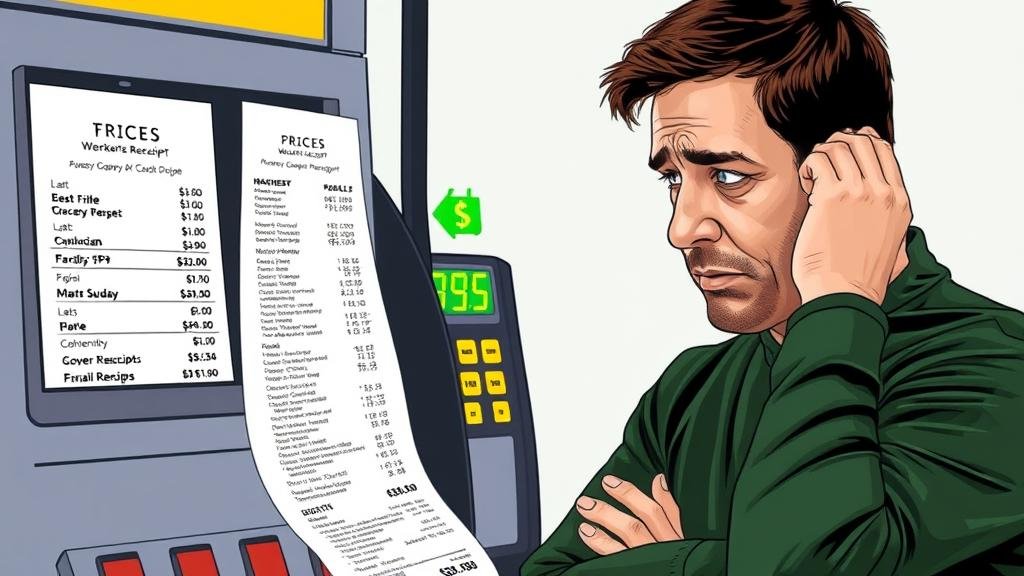
Let’s be honest. Your grocery receipt looks like a clerical error, and filling up your car feels like a down payment on a small boat. The news about the job market? It’s about as stable as a Jenga tower in a hurricane. If you’re experiencing financial anxiety, you’re not alone. A recent survey from the Financial Times and Chicago Booth confirms what we’ve all been feeling: widespread economic uncertainty has everyone on edge. This isn’t just academic theory; it’s validation for your financial worries.
So, let’s break down what this survey means for you, your career, and your financial goals.
The Shifting Job Market: Navigating Your Career in Economic Uncertainty
Remember when companies were offering signing bonuses just for showing up? That blazing-hot job market was a bright spot in our economic story.
Well, that party seems to be winding down. The economists surveyed suggest the “We’re Hiring!” frenzy is over. When job security becomes a concern, people hold onto their money, which impacts consumer spending. This cooling job market has real-world consequences for your career.
What a “Cooling” Job Market Means for You:
- Fewer Opportunities: The job market is becoming more competitive, with fewer available positions.
- Reduced Bargaining Power: With more competition for jobs, employers have the upper hand, and wage growth may slow.
- Increased Job Insecurity: The recent wave of layoffs in tech and media is making everyone nervous. It’s a good time to update your LinkedIn profile.
Consumer confidence has dipped, and it’s no surprise. People aren’t just worried about finding a job; they’re worried about keeping a stable one. The outlook is uncertain.

Persistent Inflation: Why High Prices Are Sticking Around
As we worry about our jobs, we’re also dealing with persistent inflation. While the rate of price increases has slowed, prices aren’t dropping. That gallon of milk doesn’t care about the “rate of increase”; it’s still expensive.
The Real-World Cost of Stubborn Inflation:
- Eroding Purchasing Power: Your recent raise might not feel like much when your money buys less at the grocery store.
- Budgetary Strain: Families are making tough choices, like deciding between necessary car repairs and other expenses. These calculations are part of daily life now.
- Delayed Financial Goals: The dream of owning a home, saving for retirement, or building a robust emergency fund is becoming more challenging.
This combination of job insecurity and high prices creates a perfect storm for economic anxiety, causing many to cut back on spending and brace for what’s next.

The Federal Reserve’s Tightrope Walk: Interest Rates and Recession Fears
The economists are also concerned about the Federal Reserve, which has the difficult task of managing this situation. The Fed is walking a tightrope, trying to balance competing priorities.
Here’s the dilemma:
- If the Fed cuts interest rates to stimulate the job market, it could cause inflation to rise again.
- If the Fed keeps rates high to combat inflation, it could push the economy into a recession, leading to more job losses.
The fear is that the “soft landing” everyone hoped for might not happen, and we’ll all be affected.

Your Guide to Financial Resilience: How to Fight Back Against Economic Headwinds
Knowledge is power. Here’s a battle plan to help you take control of your personal finance during these uncertain times.
1. Analyze Your Budget
It’s time to get serious about your budget. Track your spending to see where your money is going. Identify and cut unnecessary subscriptions. A clear understanding of your finances is the first step toward financial planning.
2. Build Your Emergency Fund
In a shaky job market, an emergency fund is essential. Aim to save 3-6 months of living expenses. Start with small, automatic transfers to your savings account. This fund is your financial safety net.
3. Tackle High-Interest Debt
High-interest debt can drain your budget. Consider using the “avalanche” method (paying off the highest-interest debt first) or the “snowball” method (paying off the smallest debt first for a quick win). A 0% balance transfer card can also be a useful tool for managing debt.
4. Invest in Your Career
Don’t wait for the job market to get tougher. Enhance your skills now. Take an online course, network with colleagues, and keep your resume updated. Make yourself an indispensable asset in your field.
The road ahead may be uncertain, but you’re not powerless. By taking these steps, you can build a financial buffer and navigate the challenges ahead. Staying informed and proactive is your best strategy for achieving financial well-being.