America’s K-Shaped Economy: The Widening Wealth Gap and Its Impact on the Upcoming Election
We are currently witnessing a phenomenon best described as a “K-shaped economy.” This is not a chapter from a Dickens novel, but a modern-day tale of two vastly different economic realities. While headlines trumpet positive economic indicators like low unemployment, a robust stock market, and GDP growth, a significant portion of the American population experiences a starkly different reality. This disconnect between optimistic national statistics and the financial struggles of millions of households is transforming the economy from a political asset into a liability.
The Great Disconnect: Strong Numbers, Weak Consumer Sentiment
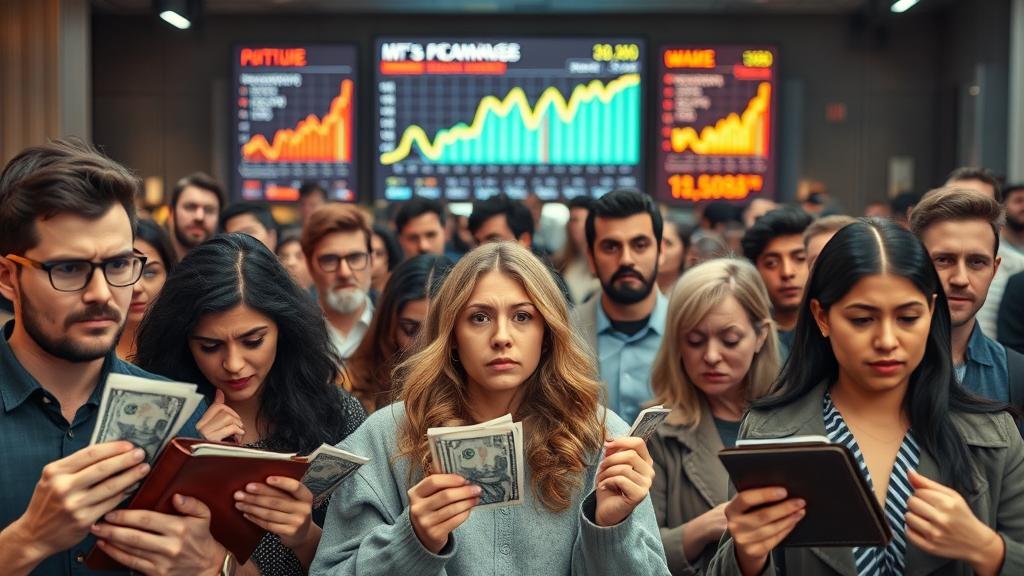
On paper, the U.S. economy appears exceptionally strong, with job growth and unemployment rates at near 50-year lows. However, this rosy picture is not reflected in the public’s perception. A recent Pew Research poll revealed that a staggering 74% of U.S. adults rate the economy as merely “fair” or “poor.” This is the crux of the great disconnect: when the broader population does not feel the benefits of a booming economy in their personal finances, the positive statistics become irrelevant noise. For any political leader, this presents a significant communication challenge. How do you persuade voters of economic prosperity when they are struggling with rising grocery bills and unaffordable living costs?
The Widening Chasm: A Closer Look at the Wealth and Income Gap
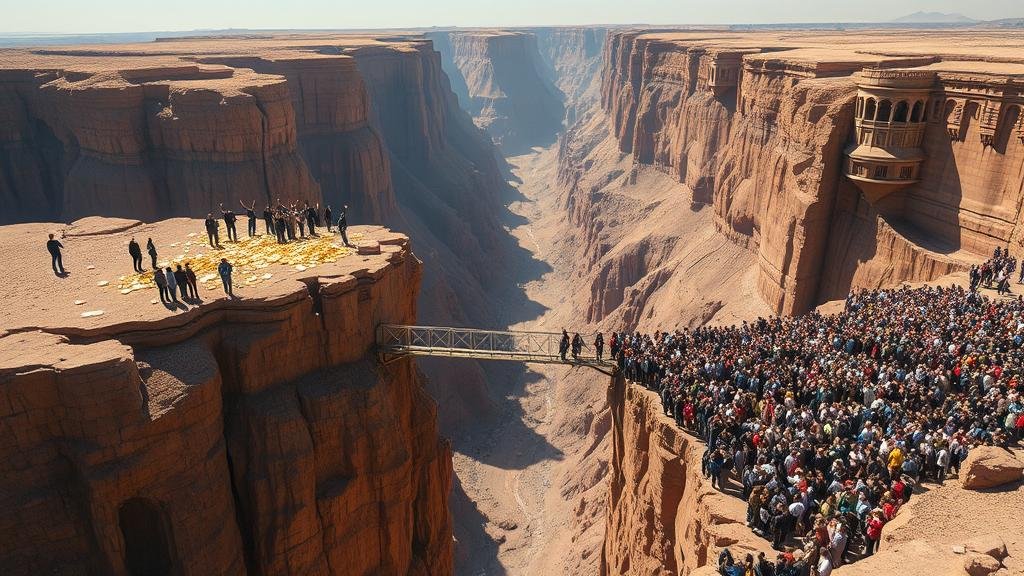
The pervasive negative sentiment can be attributed to the ever-widening chasm between the affluent and the rest of the population. The wealth and income gap has become a defining feature of our time, and the recent pandemic has only accelerated this trend.
-
The Concentration of Wealth at the Top: The wealthiest 1% of Americans now possess more wealth than the entire middle class combined. This staggering concentration of wealth is not a new development, but its recent acceleration has exacerbated economic disparities.
-
Wage Growth vs. Asset Appreciation: While wages have seen some growth, these gains have been largely negated by inflation. In contrast, the wealthy, who own the majority of stocks and real estate, have seen their assets appreciate significantly. This creates a cycle where wealth begets more wealth, while the majority of the population struggles to keep up with the rising cost of living.
-
The Inflation Squeeze: Inflation disproportionately affects lower and middle-income families. A sharp increase in the price of essentials like gasoline, food, and rent can trigger a financial crisis for a household on a tight budget. For a wealthy family, it is a minor inconvenience.
This is not just an economic issue; it erodes trust in the system and fosters a sense of unfairness.
How Our Bank Accounts Shape the Ballot Box
The long-held belief that a strong economy guarantees a president’s reelection is being challenged. In today’s political landscape, voters’ perceptions of their own economic well-being are far more influential than abstract economic data. It is not the GDP figure that determines a vote, but whether a family can afford unexpected expenses without facing financial ruin. When a large segment of the population feels left behind, a message of a “booming economy” can sound out of touch and even insulting. This sentiment transforms the economy into a significant political liability.
The Policy Conundrum: Can the Government Bridge the Gap?
The current administration has implemented several policies aimed at supporting working families, such as the enhanced Child Tax Credit, the infrastructure bill, and student loan forgiveness. However, the results have been mixed.
-
The Transitory Nature of Financial Aid: Much of the financial assistance provided was temporary. Once these programs expired, many families found themselves in a more precarious financial situation than before.
-
The Lagged Impact of Long-Term Investments: Large-scale infrastructure projects, while beneficial in the long run, take years to create jobs and deliver tangible benefits. The public, in need of immediate relief, may not feel the positive effects of these investments in the short term.
-
The Political Narrative: The political opposition has effectively framed government spending as a primary driver of inflation, a narrative that has resonated with a public grappling with rising costs.
Addressing the wealth gap is a monumental challenge that requires a comprehensive rethinking of our tax, education, and housing policies. In the current political climate, achieving consensus on such sweeping reforms is a formidable task.
A Call for an Inclusive Economy
An economy that benefits only a small fraction of the population is not only inequitable but also politically unsustainable. The widening wealth gap has turned the economy from a source of political strength into a potential source of instability. As we approach the next election, the key question on the minds of millions of Americans will not be about GDP growth, but rather: “Is this economy working for me?”
To secure the public’s confidence, it is not enough to talk about a strong economy. We must begin to build one that is truly inclusive and provides an opportunity for all Americans to prosper.