White House Influence on Media Mergers: A Threat to the Free Press?
When the lines between politics and media blur, the landscape of information can become precarious. This issue comes into sharp focus when the White House personally intervenes in a significant media merger, a move that has raised concerns about government influence and regulatory integrity.
Typically, presidents maintain a deliberate distance from the operations of agencies like the Federal Communications Commission (FCC), which they appoint to oversee such matters. Direct presidential involvement in a merger review is highly unconventional and prompts questions about the fairness of the regulatory process.
The merger in question involves major media conglomerates, and consolidation on this scale often leads to public concern. A reduction in the number of media owners can limit content diversity and potentially increase consumer costs, raising questions about whether such a deal serves the public interest.
A Significant Conflict of Interest?
The situation is further complicated by potential conflicts of interest. A report from Sludge revealed that the President had a substantial personal investment in one of the companies involved in the merger. This financial connection raises serious questions about whether decisions are being guided by the public interest or by personal financial gain.
This is not the first instance of such government influence. The Department of Justice’s attempt to block the AT&T-Time Warner merger in 2017 was widely seen as politically motivated, setting a precedent for the executive branch playing a direct role in media consolidation.
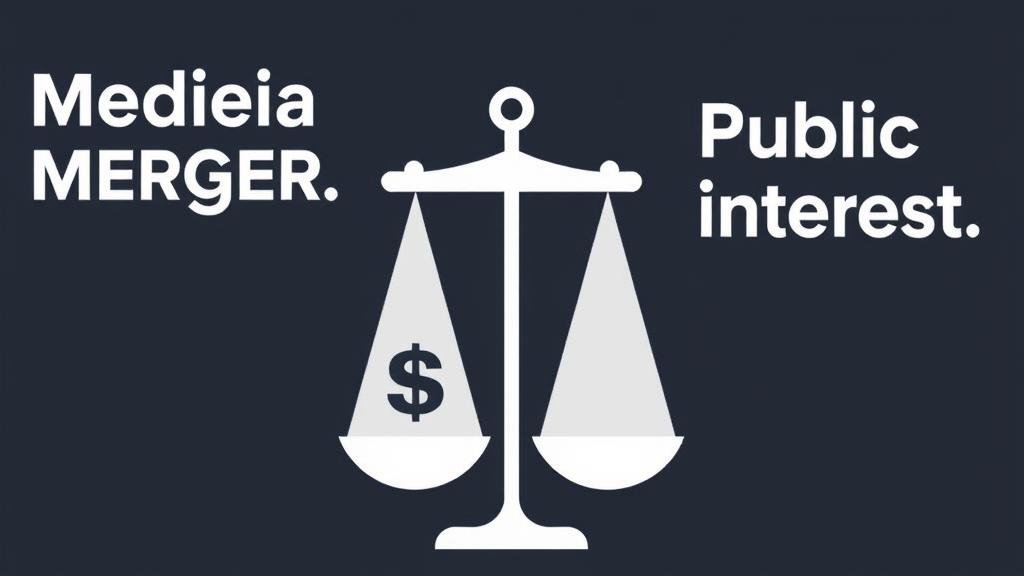
The Regulatory Framework: DOJ and FCC Roles
Understanding the regulatory landscape is key. The Department of Justice (DOJ) primarily handles antitrust reviews, ensuring a merger does not create an illegal monopoly or engage in anti-competitive practices. The FCC, on the other hand, evaluates whether a merger serves the “public interest”—a broad standard meant to protect consumers and the integrity of the airwaves.
The FCC is designed to be an independent body. However, direct presidential pressure threatens its autonomy. As reported by Reuters, the FCC initiated an investigation into ABC News following criticism from the President, illustrating how government influence can be exerted on regulatory agencies.
The ‘Chilling Effect’ on a Free Press
This level of executive intervention can create a “chilling effect” on the press. When a news organization’s business dealings—such as a billion-dollar merger—can be influenced by the very individuals they are tasked with holding accountable, the incentive to conduct aggressive, investigative journalism may be diminished.
A free and independent press is a cornerstone of a functioning democracy. When news outlets face pressure to soften their coverage to avoid regulatory retribution, it is the public that loses access to unbiased information.
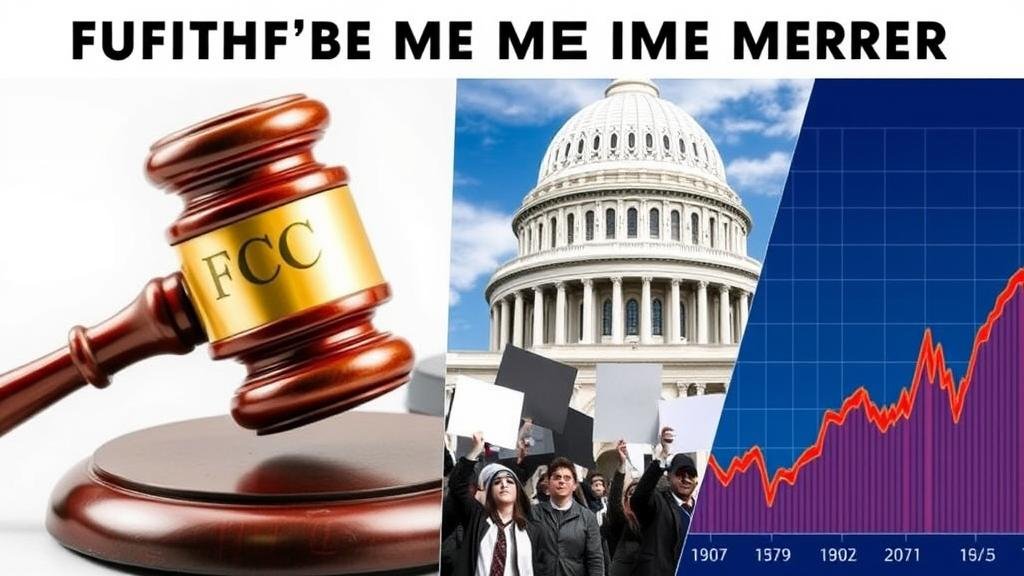
What to Watch for Next
This complex issue is still developing. Key events to monitor include:
- Formal Merger Proposal and FCC Review: Once companies file a formal proposal, the FCC and DOJ will begin their official review processes, providing a clearer timeline.
- Congressional Oversight: Congress is likely to conduct hearings, which will feature expert testimony and questioning of the parties involved, bringing further transparency to the issue.
- Public Interest and Advocacy: Watchdog groups and the public will continue to voice their concerns. Widespread public engagement can influence the regulatory and political outcome.
- Market Reaction: Wall Street volatility is a given. Stock prices of the involved companies will likely fluctuate as the merger process navigates regulatory and political hurdles.
We will continue to track these developments to provide clarity on a story with significant implications for the future of media and government regulation.