Presidential Intervention in Media Merger Sparks Controversy
We are breaking down a developing story that has significant implications for the media landscape and the integrity of our regulatory processes. While the intricacies of corporate mergers can seem arcane, the recent announcement of presidential involvement in a major media deal deserves closer scrutiny. This move challenges long-standing norms and raises critical questions about fairness, conflicts of interest, and the future of information in our country.
Let’s delve into this political development and understand its potential impact.
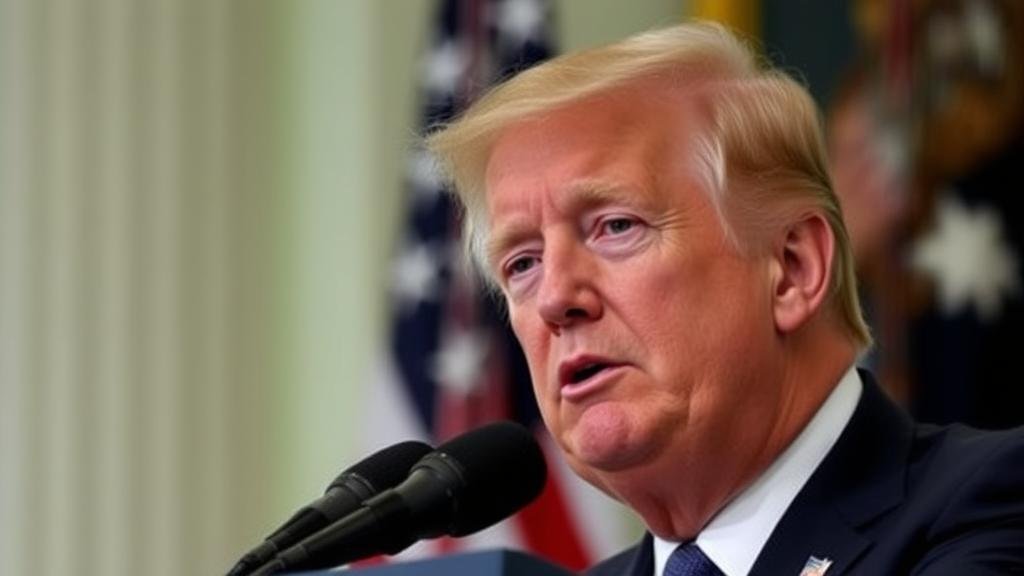
A Presidential Statement That Challenges Regulatory Norms
In an unprecedented move, the President has publicly stated his intention to “be involved” in a significant media merger. This statement has sent shockwaves through both Wall Street and Washington, as it deviates from the established “firewall” between the White House and independent regulatory agencies.
Typically, the Federal Communications Commission (FCC) and the Department of Justice (DOJ) are responsible for reviewing such mergers. The President appoints the heads of these agencies, but is expected to refrain from influencing their quasi-judicial proceedings. The review process is designed to be impartial, based on legal precedent and economic analysis, not political pressure. The President’s declaration of his involvement in the Warner Bros. Discovery merger talks, as reported by DNYUZ, shatters this convention.
This is a critical issue because a media merger is not a standard business transaction. It determines who controls the flow of information, shaping public discourse and the news we consume. Presidential intervention suggests that political considerations, rather than impartial legal standards, could now play a role in the outcome. The officials at the DOJ and FCC are now in the unenviable position of having the President, their superior, publicly express a vested interest in the proceedings. This raises serious concerns about the possibility of an unbiased decision.
How Merger Reviews Are Supposed to Work
For those unfamiliar with the process, here is a brief overview of how a media merger review should unfold in a normal environment:
- Submission of Documentation: The companies proposing the merger submit extensive paperwork to the DOJ and the FCC.
- DOJ’s Antitrust Review: The DOJ’s Antitrust Division examines the deal to determine if it would harm competition. For instance, would the newly formed entity have the power to raise prices for consumers without consequence? If the DOJ finds the deal to be anti-competitive, it can sue to block it.
- FCC’s Public Interest Evaluation: The FCC’s mandate is broader. It must determine if the merger serves the “public interest.” This includes ensuring a diversity of viewpoints in the media and preventing media consolidation.
- The White House Firewall: Throughout this entire process, a crucial “firewall” is supposed to exist between the White House and the regulatory agencies. The President has the authority to appoint the leadership of these agencies, but is not supposed to interfere in their specific decisions.
The President’s announced intention to “be involved” directly breeches this firewall.
The Conflict of Interest: A Financial Stake in the Outcome
The situation is further complicated by a significant conflict of interest. As reported by Sludge, the President is not just a disinterested political leader in this matter. Financial disclosure records reveal that he has personal investments in the corporate debt of Warner Bros. Discovery, one of the companies at the center of the merger discussions.
In essence, the President has a direct financial stake in the outcome of a decision that his own administration is charged with overseeing. If the merger is approved, the value of the company’s bonds could be affected, potentially leading to personal financial gain for the President. This creates a conflict of interest of alarming proportions.
For a fair and stable economy, it is imperative that our leaders are perceived as acting in the public’s best interest, not for personal enrichment. The question that must be asked is: is the President’s involvement motivated by the country’s best interests, or his own investment portfolio?

The Chilling Effect on Journalism and Regulation
The implications of this presidential overreach extend far beyond this single merger. Here’s why this issue should concern you:
- Compromised Journalistic Integrity: Would a news organization owned by a company that has benefited from a presidential favor be willing to conduct critical investigative journalism on that same administration? The pressure to self-censor would be immense and would have a chilling effect on journalism ethics.
- The Regulatory Slippery Slope: If the President can influence this merger, what is to stop him from interfering in other regulatory decisions, such as bank mergers or major tech acquisitions? The independence of all regulatory agencies that are supposed to ensure fair markets would be undermined.
- Decline of Local News: As Reuters has pointed out, large-scale media consolidation often leads to the decline of local news coverage. The loss of local journalists who hold local power accountable is a significant blow to our communities.
Our Analysis
The President’s announcement is a major red flag. A predictable and fair regulatory environment is crucial for a healthy market. When the head of state declares his intention to become a player in the game – especially when he has a financial interest in the outcome – it introduces a level of uncertainty and mistrust that is detrimental to all.
This is not a partisan issue. The precedent set by this action could be used by any future President to block or approve mergers based on political favoritism. This could lead to a system where business success is more dependent on political connections than on the merits of a product or service.
What to Watch for Next
The President has made his intentions clear. Here are the key developments to monitor:
- The Response of the Regulatory Agencies: Will the heads of the DOJ and FCC publicly reassert their independence? Or will they bow to political pressure?
- Congressional Oversight: Congress has a responsibility to oversee the executive branch. We can expect to see formal inquiries and hearings from lawmakers concerned about the separation of powers.
- The Companies’ Reaction: Will the corporations involved welcome the President’s intervention, or will they publicly advocate for a fair and impartial review process to maintain their legitimacy?
This is a crucial moment for our democracy and our economy. We will continue to follow this story and provide you with clear, unbiased analysis as it unfolds.