China’s Export Surge: A Surprise Twist in US-China Trade
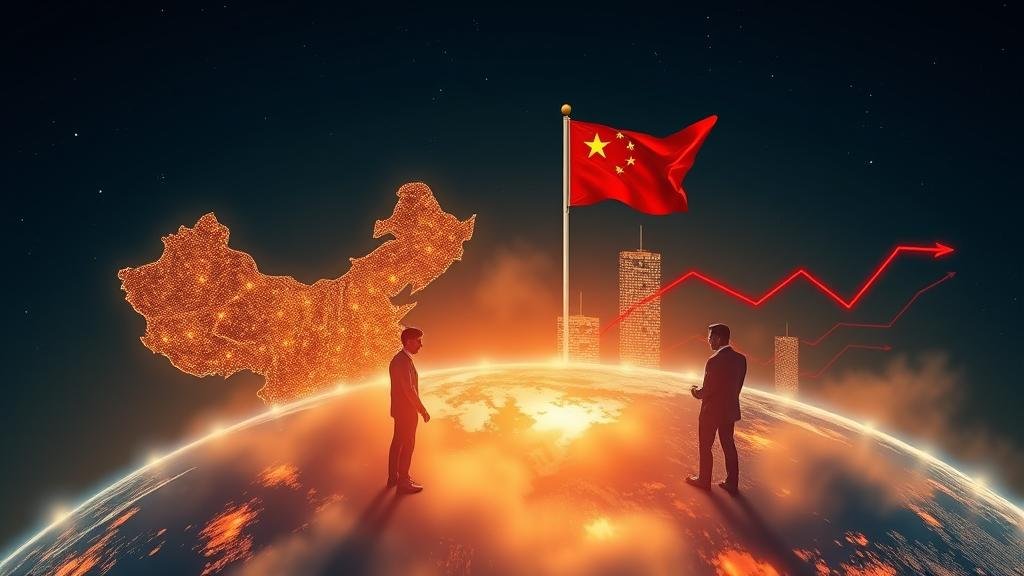
A Surprising Surge in a Tense Climate
Let’s be real, US-China trade relations have had more drama lately than a reality TV reunion. The script was supposed to go like this: Washington implements tariffs, promotes “decoupling,” and Chinese exports take a nosedive. Simple, right?
Except… China apparently shredded that script.
According to a recent report, Chinese export growth didn’t just stabilize in November; it staged a full-on celebratory rebound, jumping 5.9 percent. That’s like expecting your team to lose by 20 and then watching them hit a buzzer-beater from half-court. This surge helped push China’s trade surplus past a mind-boggling $1 trillion for the first time in a single year, showcasing a surprising level of economic resilience. It turns out the world’s appetite for “Made in China” is more robust than we thought.
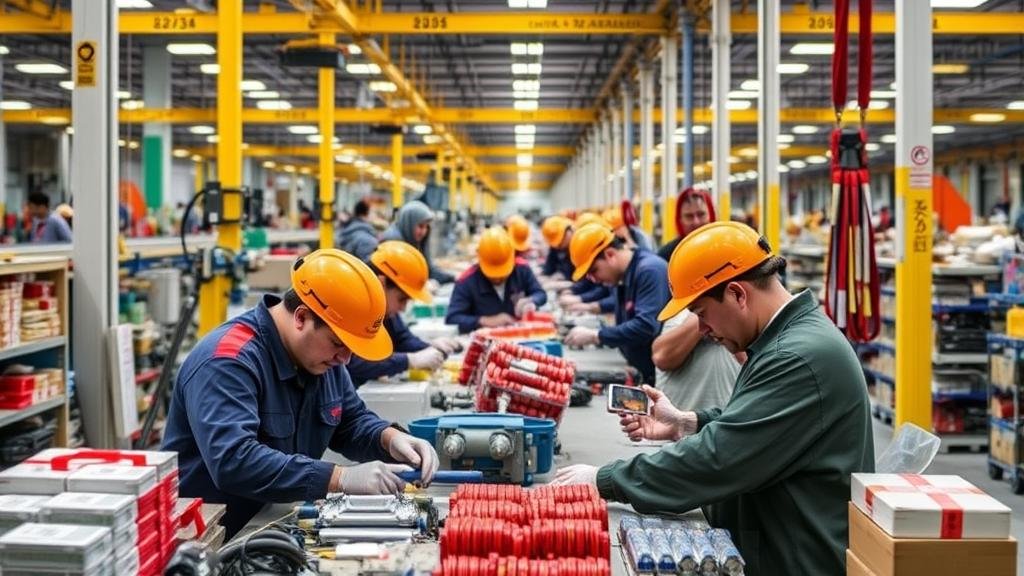
What’s Fueling the Rebound?
So, what gives? Did China find a magical economic cheat code? Not quite, but it’s a masterclass in pragmatism.
First, after the leaders of both nations had a constructive dialogue, there was a collective sigh of relief. Manufacturers saw a window—a temporary thaw in the new Cold War—and made a mad dash to ship everything they could. It’s the business equivalent of “get the groceries in before it starts pouring again.”
Second, Chinese manufacturers are the shapeshifters of the global economy. As demand shifts, they pivot. One minute it’s smartphones, the next it’s solar panels or electric vehicles (EVs). This isn’t your grandpa’s factory floor; it’s a highly adaptable, surprisingly nimble ecosystem that can weather a storm—a key feature of resilient global supply chains.
Finally, China has been playing the long game with supply chain diversification. My 7-year-old knows not to put all his Pokémon cards in one binder. Beijing gets it, too. By strengthening ties with markets in Southeast Asia, Europe, and beyond, they’ve made a dip in U.S. demand less of a catastrophe and more of a… Tuesday. This strategic pivot is a core element of their trade policy.

The View from Washington
Meanwhile, back in Washington, the effectiveness of the current tariff strategy is being questioned. The whole point of the tariffs was to be a knockout blow, but it’s looking more like a Wile E. Coyote plan where the anvil lands squarely on his own head.
The latest numbers show that untangling these two economies is far more complicated than that knotted ball of charging cables in your junk drawer. American businesses and consumers still have a massive appetite for Chinese goods and components, and you can’t just reroute the entire global supply chain with the snap of a finger.
This might be the moment Washington realizes that a unilateral approach is less effective than collaborating with allies to address trade concerns. It’s a team sport, even if you don’t always love your teammates.
Implications for the Global Economy and Our Readers
Okay, enough geopolitical drama. What does this mean for you, besides giving you a killer fun fact for your next Zoom call?
For starters, it’s a reminder that a scary headline doesn’t always tell the whole story. Geopolitics is a huge deal, but so are cold, hard business fundamentals. For business owners, this resilience is food for thought. A full-on breakup with China might not be realistic. Instead, the smart money is on a “China plus one” strategy. Think of it as diversifying your portfolio, but for where your stuff gets made. It’s the supply chain equivalent of not putting all your emotional stock into one notoriously flaky friend.
And for the rest of us? The continued flow of affordable goods from China helps keep a lid on inflation. That air fryer you’ve been eyeing? The surprisingly cheap patio furniture? You can thank the weird, wonderful, and ridiculously complex dance of global trade for that.
Looking Ahead: A Path of Uncertainty and Opportunity
So, what happens next in this epic will-they-won’t-they economic romance? Honestly, your guess is as good as mine. The future of US-China trade is a foggy mix of competition, cooperation, and probably a few more confusing policy changes.
What’s crystal clear is that the idea of a simple, clean “decoupling” was an oversimplification. The global economy is a tangled, interconnected beast. This export rebound is just the latest plot twist in a story that’s far from over.
We’ll keep watching the data, deciphering the jargon, and making dad jokes about it so you don’t have to. The dance between these two giants will keep shaping our world, and we’ll be right here to help you make sense of it all.