Paris’s Billion-Dollar Secret: The Geopolitics of Frozen Russian Assets
What’s the difference between you and the French government? You probably tell your friends where you keep your money.
In a move that has international finance nerds leaning forward in our ergonomic chairs, Paris is playing its cards tighter than a new pair of leather pants. The French government is sitting on the world’s second-largest pile of frozen Russian state assets and is deliberately hiding the names of the banks holding it all. This isn’t just a juicy spy novel; it’s a multi-billion-euro international intrigue with a level of secrecy that would make the CIA blush.

The Scale of the Seizure: A Financial Deep Freeze
Following Russia’s full-scale invasion of Ukraine, the G7 nations hit the big red “PAUSE” button on about €260 billion in Russian sovereign assets. It was a massive financial intervention designed to make funding a war as difficult as assembling IKEA furniture without instructions.
The majority of this cash—over €210 billion—is chilling in the European Union. And we’re not talking about some oligarch’s yacht fund; this is the Russian Central Bank’s money, held in securities and cash.
While Belgium, home to the financial clearinghouse Euroclear, is hogging the spotlight with a staggering €193 billion, France quietly confirmed it’s in second place. This puts French banks right in the thick of it. But ask the French government which banks are involved, and you’ll get a response so cold it could refreeze the assets. They’ve cited “financial stability” and “legal prudence,” which is government-speak for “because we said so.”
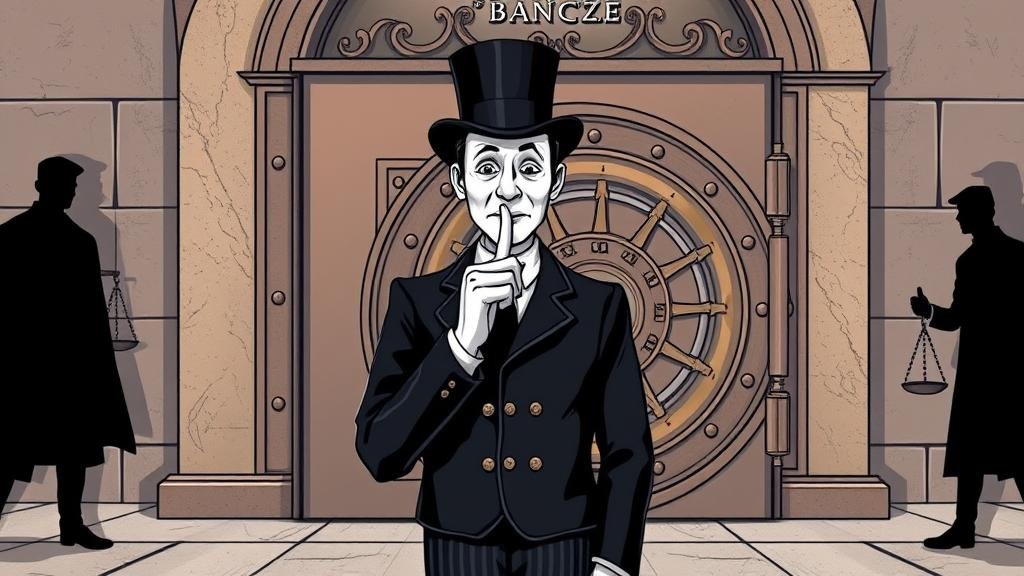
France’s Position: Mona Lisa Smile, Poker Face Game
French President Emmanuel Macron plans to “keep control” over these assets, a move driven by a deep-seated fear in the EU about the chaos that could erupt from mishandling another country’s sovereign piggy bank. The French Ministry of Finance has built a wall of silence, navigating a minefield of risks.
Why the Secrecy? Let’s Unpack This Baguette of Riddles
This isn’t just France being fashionably mysterious. There are dead-serious reasons for the hush-hush approach.
- Mitigating Financial Stability Risks: The European Central Bank (ECB) is having a prolonged panic attack over this. They’re worried that seizing the cash outright could make global investors think the euro is as reliable as a chocolate teapot. This could trigger a sell-off and destabilize the currency. By keeping the banks’ names out of the headlines, France is trying to prevent a global game of financial Jenga.
- Avoiding Legal Minefields and Retaliation: Under international law, you can’t just seize another country’s state-owned property—it’s protected by “sovereign immunity.” The assets are “immobilized,” not confiscated. Naming the banks would paint a giant bullseye on them, inviting a swarm of Russian lawsuits and making them prime targets for retaliation, like cyber-attacks or having their *own* assets in Russia seized.
- Maintaining Diplomatic Leverage: Uncertainty is a weapon. By not showing its full hand, France keeps everyone guessing, which gives it control over the narrative. French officials want a legally bulletproof solution before they throw any single bank under the bus.
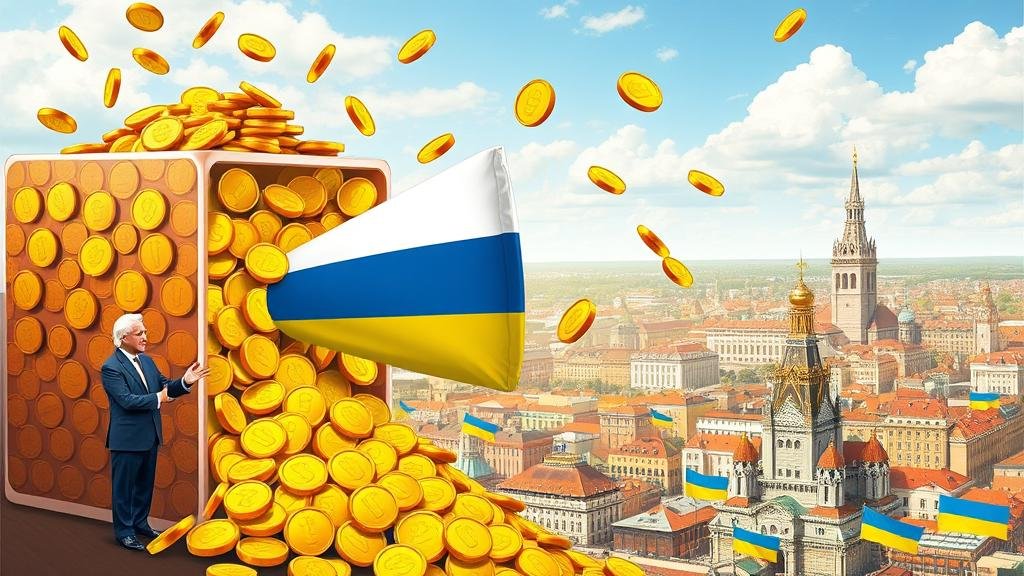
The Road Ahead: A $50 Billion G7 Loan for Ukraine
Slowly but surely, the world is moving toward a genius compromise. At the latest summit, the G7 agreed to a plan: leave the original pile of cash alone, but use the windfall profits it generates to secure a massive $50 billion G7 loan for Ukraine. It’s a “windfall tax” approach that feels legally safer and politically smarter.
This strategy—using the interest to fund the loan—is the financial world’s attempt to have its cake and eat it too: support Ukraine without triggering a global financial meltdown. The G7’s decision sets a major precedent for the weaponization of finance.

What This Means for the Financial World
For those of us in the finance world, this is better than Netflix. Here are the key takeaways:
- Precedent for Sovereign Immunity: This whole ordeal is putting a centuries-old financial rule on trial. The outcome will change the game.
- Risk for Financial Intermediaries: Memo to all banks and clearinghouses: you are now contestants in the geopolitical Hunger Games.
- The Weaponization of Finance: Access to global markets is no longer just an economic tool; it’s a primary instrument of foreign policy.
In conclusion, France’s silence isn’t shyness; it’s a high-wire act. On one side, there’s the moral duty to help Ukraine. On the other, the terrifying prospect of breaking the global financial system. The path forward with the G7 loan seems set, but for now, the names of the banks remain Paris’s best-kept secret.
And yes, this *will* be on the test. 🇪🇺