IndiGo’s Meltdown: Flight Cancellations, DGCA Rules, and Passenger Rights
IndiGo’s Operational Crisis: From Clockwork to Chaos
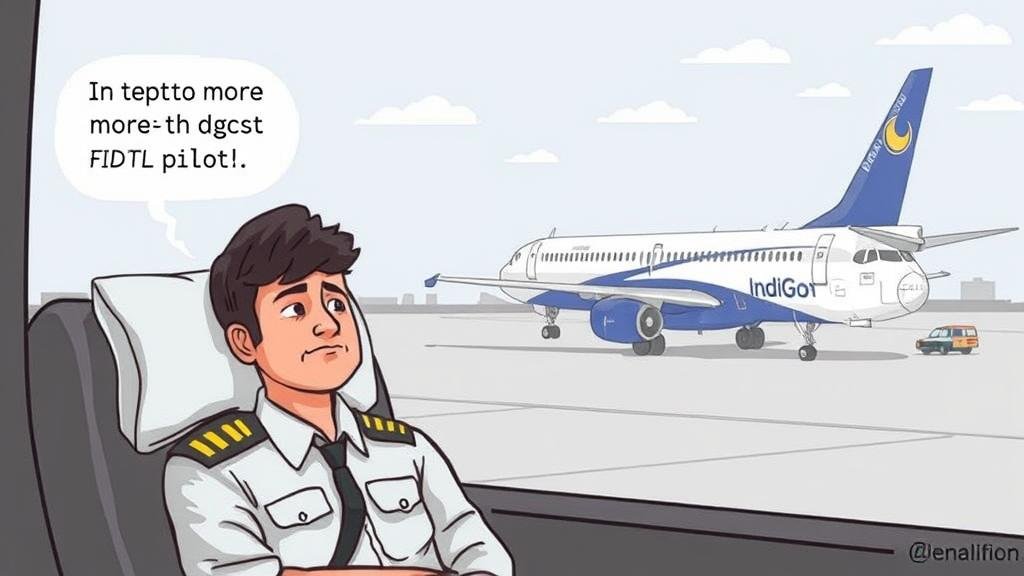
Booking an IndiGo flight used to be a safe bet—punctual, reliable, and efficient. Now, it’s a gamble. The airline’s recent wave of IndiGo flight cancellations has turned the Indian skies into a mess of delays and frustrated passengers, sparking a full-blown IndiGo operational crisis. This isn’t just a minor issue; it’s a systemic failure that has left thousands stranded.
The Unprecedented Scale of the Flight Disruption
Let’s get straight to it: we’re talking about at least 2,000 flights canceled in just a few weeks. This massive flight disruption turned airports into chaotic waiting rooms and flooded social media with complaints. For passengers, this meant missed weddings, crucial business deals, and ruined family holidays. The ripple effect of the IndiGo crisis was felt by people nationwide, who were stuck in a nightmare of customer service loops and uncertainty.
What Caused the Nosedive? The DGCA FDTL Fallout
The main trigger for this chaos is a new set of regulations from the DGCA (Directorate General of Civil Aviation) called Flight Duty Time Limitations, or FDTL. These rules are designed to combat pilot fatigue and enhance air safety, which is something everyone wants.
Understanding the New DGCA FDTL Rules
The updated DGCA FDTL rules are a critical safety upgrade:
- More Rest: Pilots now get longer, mandatory weekly breaks.
- Reduced Night Flying: Strict limits are placed on consecutive night duties.
- Smarter Scheduling: Duty periods are better aligned with natural sleep cycles to prevent fatigue.
While these changes are essential, IndiGo’s operational model, built on hyper-efficiency, couldn’t adapt. The airline’s system, which relied on maximizing every minute of its crew and aircraft, buckled under the new requirements, leading to a sudden, severe pilot shortage and the subsequent wave of IndiGo flight cancellations.
Regulators Step In: “Strict Action” Promised
The nationwide chaos caused by the flight disruption didn’t go unnoticed. The Ministry of Civil Aviation and the DGCA promised “strict action,” sending a clear message that operational negligence has consequences. The DGCA issued a show-cause notice to IndiGo, demanding an explanation for the meltdown and the airline’s failure to handle passenger rights appropriately.
IndiGo’s Scramble to Contain the Crisis
Facing a PR nightmare, IndiGo has shifted into damage control. The airline acknowledged the operational failures and is taking steps to stabilize its services. This includes:
- Forming a Crisis Management Group to address the ongoing issues.
- Reducing its daily flight schedule from 2,300 to a more manageable 1,650.
- Working to improve its On-Time Performance (OTP), which has started to recover.
However, rebuilding passenger trust after this large-scale flight disruption will take time.
Your Survival Guide: Know Your Passenger Rights
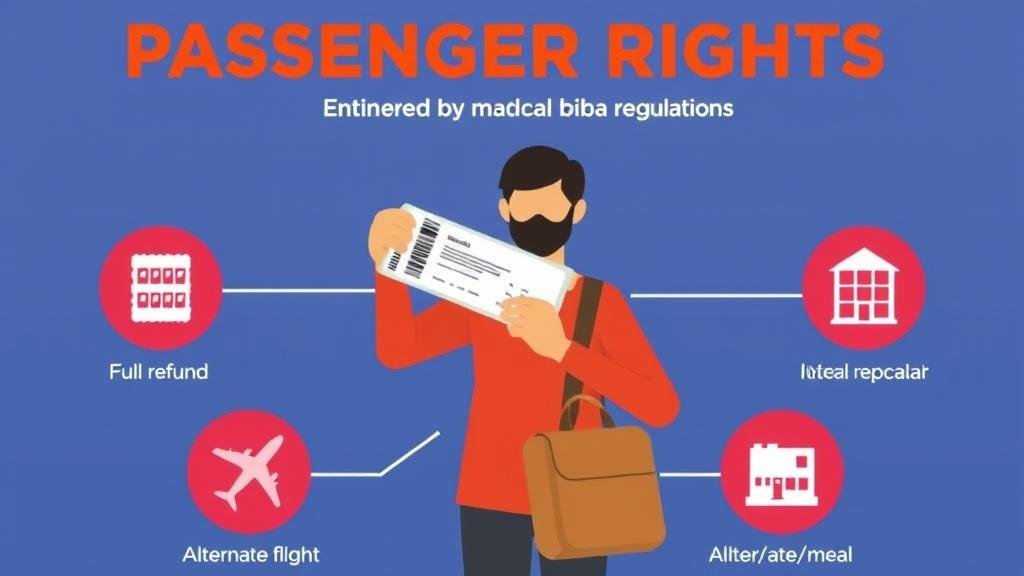
If you’re caught in the IndiGo flight cancellations, knowing your passenger rights is essential. According to DGCA regulations:
- Right to Information: The airline must inform you of a cancellation at least two weeks in advance.
- Right to Choose: If the notice is shorter, you are entitled to an alternate flight or a full refund.
- Right to Comfort: For significant delays, the airline must provide you with meals, refreshments, and hotel accommodation if necessary.
Persistence is key. Document all communication, keep your receipts, and assert your rights politely but firmly.
The Path Forward: Rebuilding After the Turbulence
The IndiGo crisis is a stark reminder that efficiency cannot come at the cost of resilience. As IndiGo works to navigate regulatory penalties and restore its reputation, passengers have learned a valuable lesson: the cheapest fare isn’t always the best deal. In the wake of this unprecedented flight disruption, checking an airline’s recent performance and understanding your passenger rights is more important than ever.