The Power of Prompt Engineering: Unlocking the True Potential of LLMs
Large Language Models (LLMs) like GPT-4 have revolutionized how we interact with AI, but getting the best results isn’t always as simple as asking a question. Enter the art and science of ‘prompt engineering.’
What is Prompt Engineering?
At its core, prompt engineering is the practice of carefully crafting inputs (prompts) to guide an LLM toward a desired output. A well-constructed prompt can be the difference between a generic, unhelpful response and a nuanced, accurate, and creative piece of text.
Why Is It So Important?
LLMs are not sentient; they are complex pattern-matching systems. The prompt provides the context, constraints, and format for the model to follow. By being specific, providing examples (few-shot prompting), and defining a clear role for the AI (e.g., ‘Act as a professional copywriter’), you can dramatically improve the quality and relevance of the generated content. For developers, this means building more reliable and predictable AI-powered applications. For casual users, it means getting more value out of every interaction.
How to Get Started: Key Principles
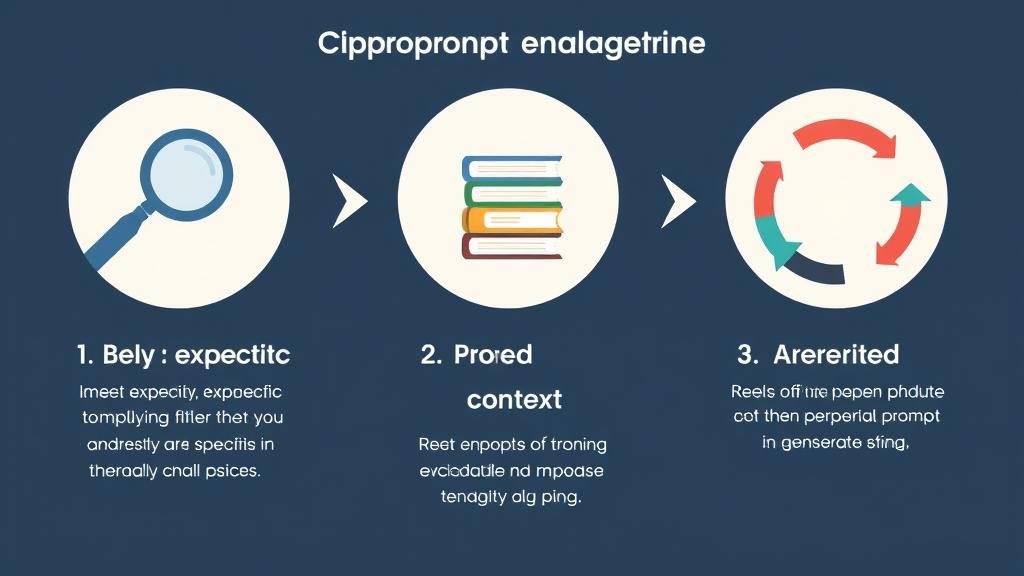
To get started with effective prompt engineering, follow a few key principles. First, be explicit. Clearly state your goal and the format you expect. For example, instead of ‘write about dogs,’ try ‘Write a 300-word blog post about the benefits of adopting a rescue dog, in a friendly and uplifting tone.’ Second, provide context. If you’re asking for a summary of a complex topic, include key terms or a brief background. Finally, iterate. Don’t be afraid to refine your prompt based on the AI’s output. Tweak your wording, add more constraints, or rephrase your request until you achieve the desired result.
The Future is Collaborative
As LLMs continue to evolve, mastering the skill of prompt engineering will be essential for anyone looking to harness their full potential.