JOLTS Report Teases Fed Rate Cut: Here’s What It Means for Your Wallet
All eyes in the financial world are on the Federal Reserve, an event that for some reason has become more dramatic than a season finale of The Bachelor. The big question: Will they or won’t they cut interest rates? As if on cue, the latest Job Openings and Labor Turnover Survey (JOLTS) for October just dropped, and honey, it’s complicated.
At first glance, the numbers might suggest the job market is still running hot. But if you look closer—and let’s be real, that’s why you’re here—the report is basically winking at the Fed, giving it the green light for that rate cut.
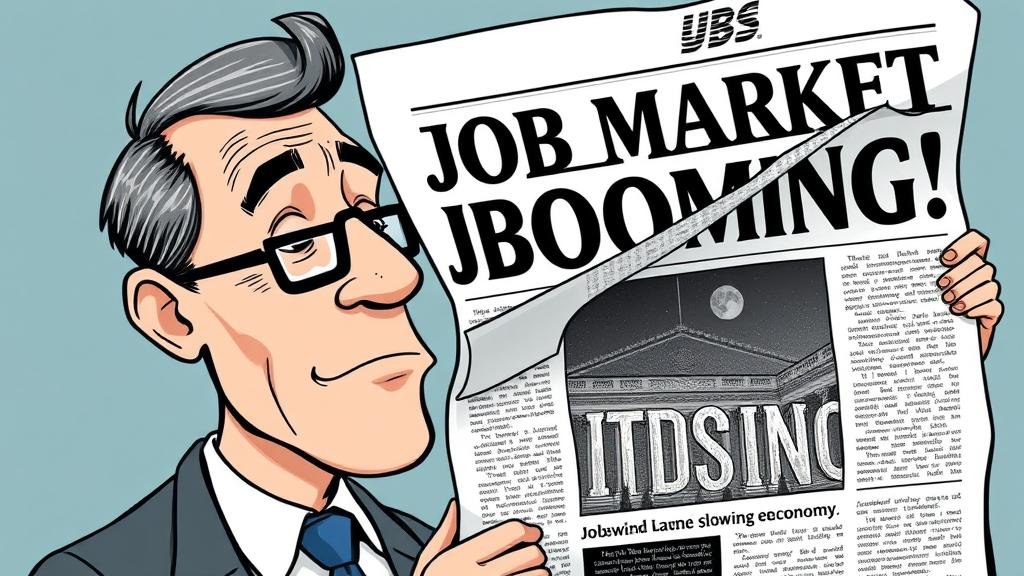
The Headline: More Job Openings? Don’t Get a ‘Jolt’ Just Yet.
On the surface, the October JOLTS report—which sounds like an energy drink for economists, doesn’t it?—showed a teensy little rise in job openings to 7.67 million. This is up slightly from September, which seems to fly in the face of everyone expecting the labor market to finally take a nap.
For those of you just joining us, the Fed watches JOLTS like my 7-year-old watches cartoons. A high number of job openings usually means a “tight” labor market, where companies are in a bidding war for employees. That drives up wages, which can make your morning latte cost more, and the Fed hates that.
So, a simplistic reading—more jobs!—might make you think the Fed will keep rates high to cool things down. But reading just the headline of an economic report is like judging a book by its cover. You’ll miss all the juicy plot twists hidden in the footnotes.
Beyond the Headline: The Devil’s in the (Deliciously Revealing) Details
Alright, let’s put on our detective hats, because this is where the story gets good. When we peek behind the curtain of that headline number, we see clear signs that the job market is losing steam, just like the Fed wanted.
The “I Quit!” Index is Dropping
One of the most telling parts of this report is the “quits rate,” my personal favorite. It measures how many people voluntarily tell their boss to “take this job and shove it.” A high quits rate means workers are confident they can find a better gig tomorrow.
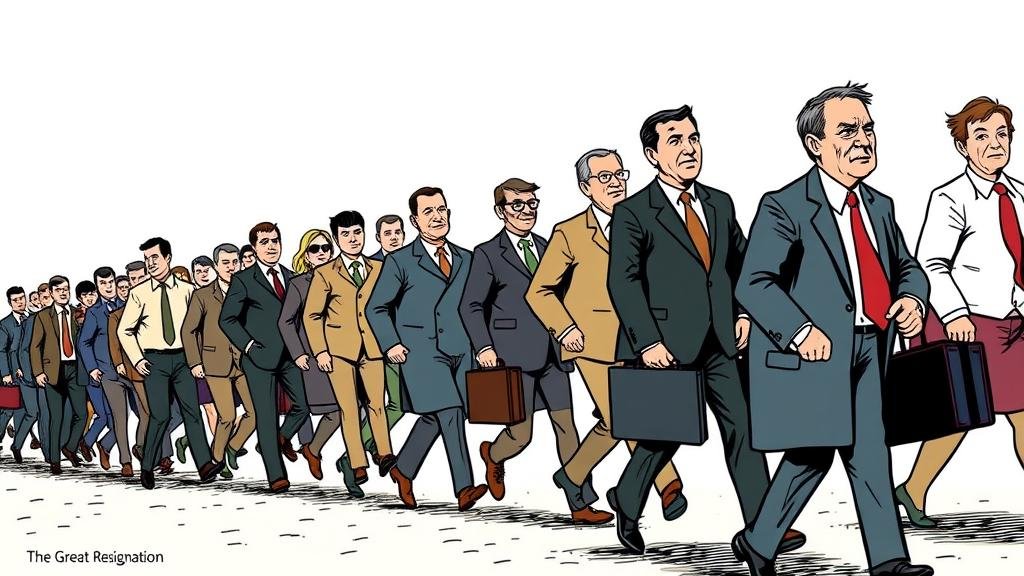
In October, the number of people quitting their jobs fell. Let that sink in. As PBS NewsHour pointed out, this is a direct signal of shaky worker confidence. People are getting a little more nervous about leaving their current jobs, which means the power is shifting back from you to your boss. Cue dramatic pause. The Great Resignation is officially over; we’re now in the era of the “Great… uh… Please Don’t Fire Me.”
The Indeed Hiring Lab hit the nail on the head, saying, “Don’t Mistake a Good Headline for Genuine Momentum”—which is also fantastic advice for my dating profile. If the economy were truly booming, they argue, we’d see way more people job-hopping. This lack of churn is exactly the cooldown the Fed has been hoping for.
A Little More Layoff Spice
To add another layer to this economic lasagna, layoffs also ticked up slightly in October. It wasn’t a huge jump, but combined with fewer people quitting, it paints a pretty clear picture: job security is starting to feel less like a given and more like a goal. You feel me?

The Fed’s Secret (But Not-So-Secret) Calculation
Now, before your eyes glaze over like a Krispy Kreme, let’s talk about what the Fed does with this info. The Fed has two main jobs: keep people employed and keep prices stable (i.e., stop inflation from eating your savings). For months, they’ve been obsessed with the second one, jacking up rates like a DJ with only one banger.
This JOLTS report actually gives them the perfect excuse to finally chill out.
- Inflationary Heat is Down: Fewer people rage-quitting means less pressure on companies to offer bonkers salaries. This helps tame wage growth, a key driver of inflation.
- The “Soft Landing” Looks Real: The Fed’s dream is to cool the economy without crashing it. This data—showing a gentle slowdown, not a five-alarm fire—is exactly that. The plane is gliding in for a smooth landing, not nosediving.
- They Know It Takes Time: Fed officials are smart enough to know their past rate hikes are like taking a sleeping pill—it doesn’t work instantly. The trends in this report are proof their medicine is starting to kick in. Waiting for every single number to turn negative before cutting rates would be policy malpractice.
So, Yeah, the Rate Cut is Still a Go
Hot take coming in 3…2…1… a rate cut is still the most likely outcome. The Fed isn’t looking at this JOLTS report in a vacuum. They see it as one piece of a giant, wonderfully boring puzzle. And the other pieces, like recent inflation reports, are all pointing in the same direction.
This report isn’t a roadblock. It’s a confirmation that their plan is working, clearing the runway for a rate cut this Wednesday. Holding rates high now would be like putting on sunscreen after you get a sunburn—a little late and pretty pointless.

What This Means For You (The Normal Person)
“Okay, cheeky uncle,” you’re asking, “but why should I care?” Great question. Still reading? Wow. You’re officially my favorite.
A rate cut can have a real impact on your wallet:
- Cheaper Loans: Get ready for potentially lower interest rates on mortgages, car loans, and personal loans. Even your credit card balance might feel a little less menacing.
- Refinance-Palooza: If you have a mortgage with a rate that makes you weep, you might soon get a chance to refinance into something much prettier.
- Happy Markets: The stock market typically throws a little party when the Fed eases up. A rate cut can feel like a booster shot for the economy.
And yes, this will be on the test. In conclusion, the October JOLTS report, despite its confusing headline, is telling the Fed exactly what it wants to hear: “You can relax now.”