Why the October JOLTS Report Means a Fed Rate Cut Is (Still) Likely
It’s that time again—Fed week. A period where financial professionals fixate on spreadsheets with the same level of intensity a child has for a new video game. The main event this week is the JOLTS report, a key economic indicator that influences the Federal Reserve’s decisions on interest rates.
At first glance, the October numbers from the JOLTS report seemed positive. Job openings saw a slight increase, leading some to believe the labor market is still booming. A strong economy like this would typically mean the Fed wouldn’t consider a rate cut. But a closer look reveals a different story. The underlying data in the JOLTS report suggests that a rate cut is still a strong possibility. This report provides a glimpse into what the Fed might do next and how it could affect your finances.
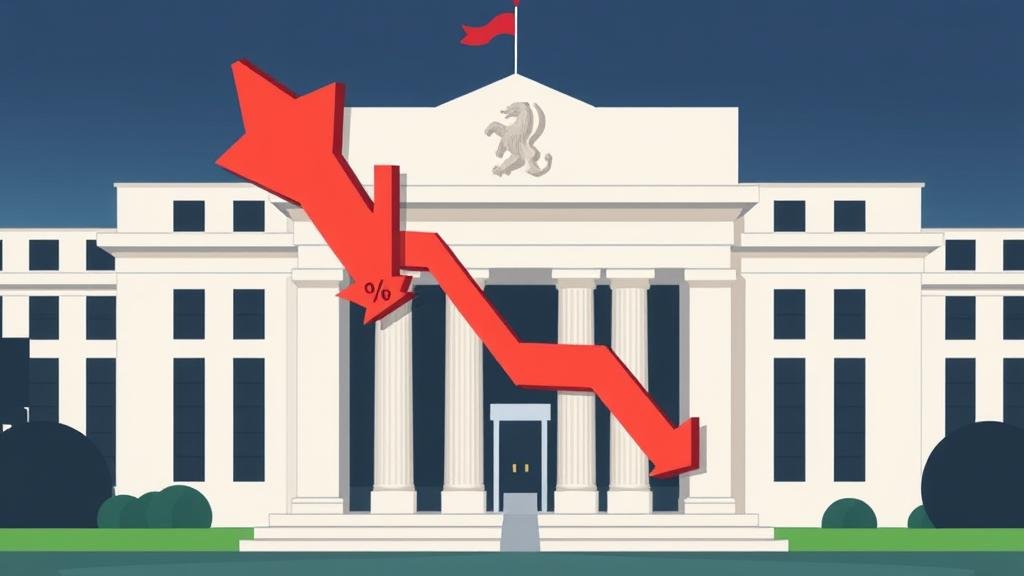
The October JOLTS Report: A Deeper Dive
The JOLTS report, or Job Openings and Labor Turnover Survey, is a monthly report from the U.S. Bureau of Labor Statistics that provides data on job openings, hires, and separations. The October report showed job openings at 7.67 million, a number that suggests a high demand for workers and a hot economy. If the economy is a party, then high job openings mean the music is still blasting and the dance floor is full.
However, the Federal Reserve doesn’t just look at one number. They consider a wide range of data to get a full picture of the economy. The other components of the JOLTS report tell a much different, and quieter, story.

Quits, Hires, and the “Great Resignation”
To truly understand the labor market, you need to look at its “churn,” which is the rate at which workers are changing jobs. A high churn rate means people are confident in their ability to find a new, better-paying job. The October JOLTS report shows that this churn is slowing down.
The “Quits Rate”
The “quits rate” is the percentage of workers who voluntarily leave their jobs. It’s a key indicator of worker confidence. When the quits rate is high, it means people are confident in the labor market. When it’s low, it means they’re more cautious.
The quits rate is currently down, which signals to the Fed that the “Great Resignation” is over. The period of workers demanding higher pay and better benefits is winding down, and the bidding wars for talent are coming to an end. This suggests that the labor market is losing its momentum, even if there are still “Now Hiring” signs in windows.
Hires and Separations
The overall hiring rate has also slowed. While there are still job openings, companies are taking longer to fill them. This combination of a lower quits rate and slower hiring indicates that the labor market is cooling down. This is the “soft landing” the Fed has been hoping for. They wanted to slow down the economy without causing a recession.
The Fed’s Next Move: A Likely Rate Cut
The Federal Reserve has two primary goals: to maintain stable prices and to keep people employed. For the past two years, they’ve been focused on fighting inflation by raising interest rates.
Now that inflation is starting to come down, the Fed is looking for signs that the job market is cooling enough to keep it that way. The JOLTS report provides that sign.
- Reduced Wage Pressure: A lower quits rate means less wage pressure, which is a major driver of inflation.
- Slowing, Not Stalling: The labor market is cooling down, but not crashing. This is the “soft landing” the Fed has been aiming for.
- Market Expectations: The market is already expecting a rate cut. This report gives the Fed the justification it needs to make that move.

What This Means for You
So, what does a likely rate cut mean for your finances?
For Borrowers
A rate cut from the Fed will eventually lead to lower borrowing costs.
- Mortgages: A rate cut could help to lower mortgage rates, which would be a welcome relief for the housing market.
- Auto Loans: It could also become cheaper to finance a new car.
- Credit Cards: Most credit card APRs will drop almost immediately after a rate cut.
For Savers and Investors
The impact on savers and investors is more mixed.
- Savings Accounts: The high yields on savings accounts are likely to come down.
- Stock Market: Lower interest rates are generally good for the stock market.
- Bond Market: When the Fed cuts rates, existing bonds with higher yields become more valuable.
The Final Word
The October JOLTS report is a good example of why you shouldn’t judge an economic report by its headline. While job openings were up, the real story was in the details. The slowing quits and hires rates signal a cooling labor market, which is exactly what the Fed has been waiting for to justify a rate cut. This is good news for anyone who has been struggling with high interest rates. Cheaper borrowing is on the horizon.