US vs. China: The AI Chip Race Just Got Real
The US-China tech relationship is starting to feel like a bad breakup. You know, the kind where you try to get your ex back, but they’ve already moved on, gotten a great new job, and are living their best life. That’s the AI chip race in a nutshell.
The US government recently gave Nvidia the green light to sell its H200 AI chips to China, which seems like a peace offering after a messy tech divorce. But while the US was setting boundaries, China was busy building its own independent ecosystem. For months, Beijing has been promoting its domestic tech champions, encouraging giants like Huawei and Cambricon to go local.
The real question isn’t whether Chinese companies can buy American chips again, but whether they even want to.
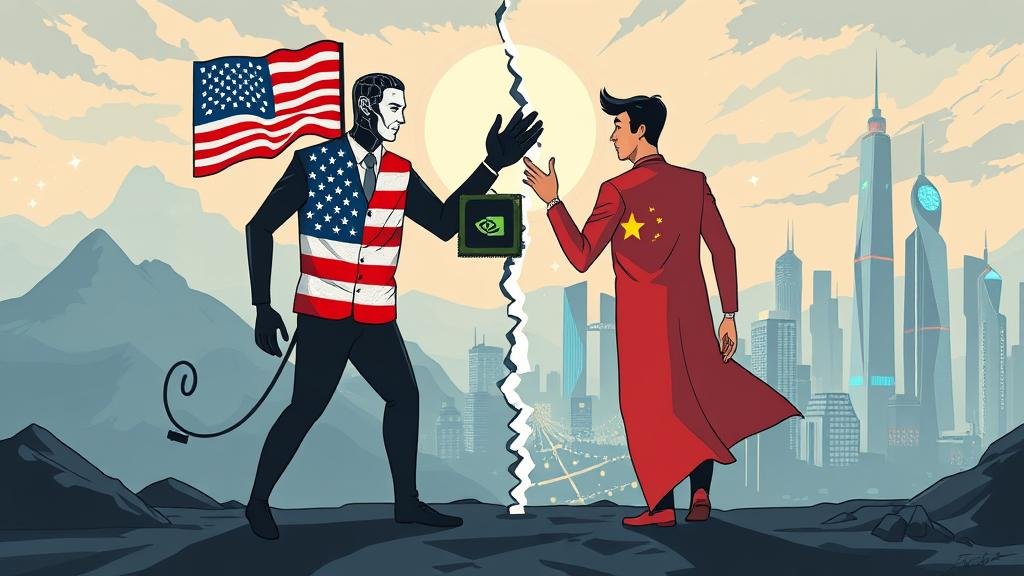
How US Sanctions Fueled China’s AI Self-Reliance
Let’s take a quick look at how we got here. For years, the US strategy was to limit China’s access to high-end AI chips from Nvidia, aiming to slow down China’s AI development. The idea was to keep America at the top of the tech food chain.
But this strategy had a predictable outcome. It’s like telling a kid they can’t have cookies and then being surprised when they start their own bakery. The US restrictions forced China to accelerate its own chip production and create a self-reliant AI industry.
The sanctions, intended to create a bottleneck, ended up sparking a fire. The US-China tech competition has now entered a new phase, with China determined to close the gap.
Beijing’s National Champions: Huawei and Cambricon
With an unreliable foreign supply, the Chinese government has thrown its full support behind domestic companies. This means massive funding, government contracts, and a strong push for local businesses to use homegrown hardware.
Huawei’s Ascend 910B: The Homegrown Hero
Huawei, once known for its phones, is now a major player in the AI chip market. Its Ascend 910B chip is at the forefront of China’s mission to become a tech powerhouse.
While the 910B may not be as powerful as Nvidia’s top-tier chips, it has one key advantage: it’s readily available. China’s largest tech companies are now designing their systems around Huawei’s chip, creating a guaranteed market and helping Huawei improve its performance.
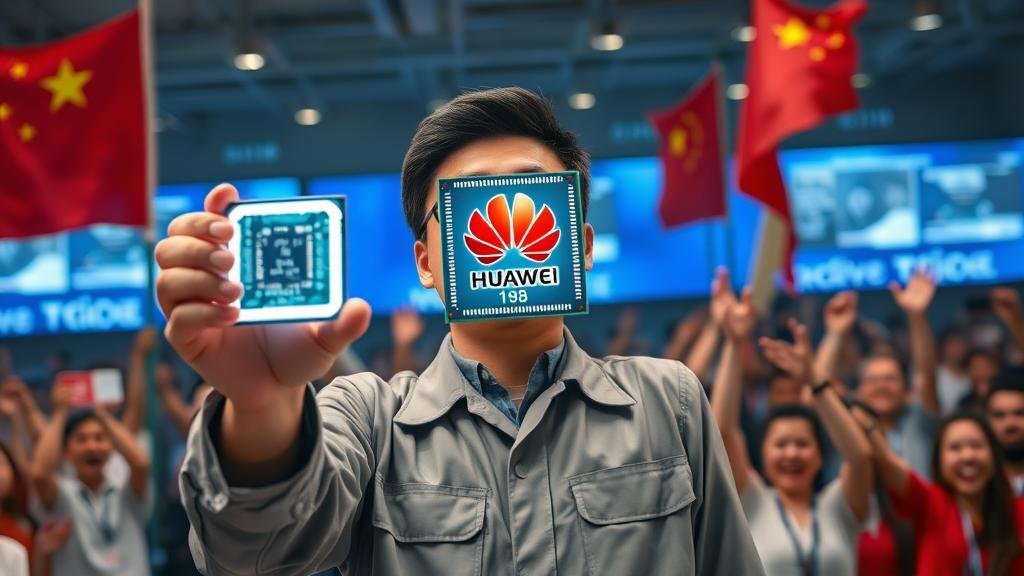
Cambricon and the Growing Ecosystem
It’s not just about Huawei. Other companies like Cambricon are also emerging, ensuring China isn’t just creating a new monopoly. The goal is to build a diverse and robust team of tech leaders.
This strategic shift means that billions of dollars that once went to Silicon Valley are now being invested in Shenzhen. This is a high-risk, high-reward game, and the geopolitical drama is only just beginning.
The Nvidia H200: Too Little, Too Late?
This brings us back to Nvidia’s H200 chip. According to Reuters, the H200 is powerful enough to be impressive but still compliant with US export rules. For Nvidia, it’s a chance to regain a foothold in a multi-billion-dollar market. But as CNBC reports, it’s unclear if China will even be interested.
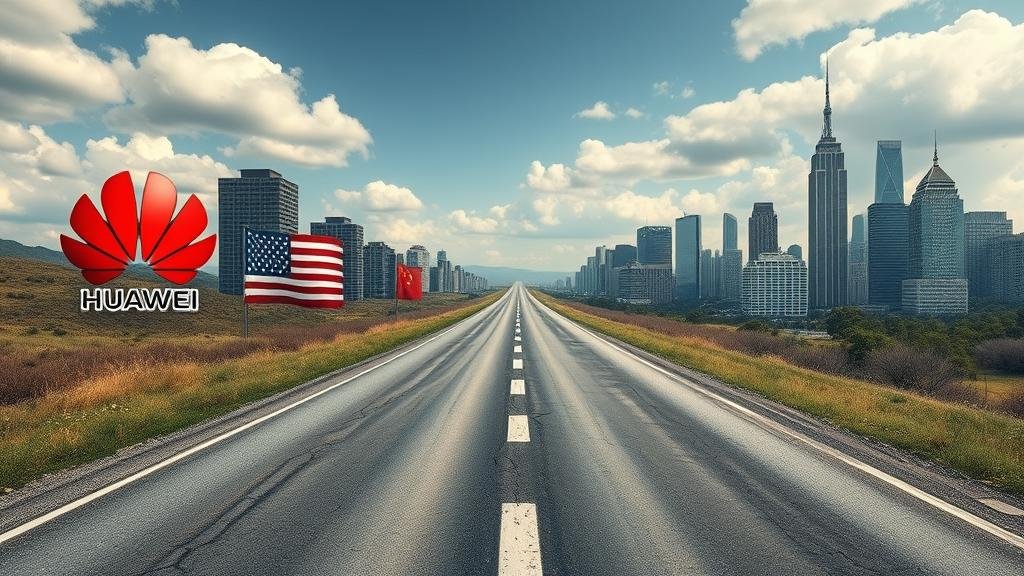
Chinese firms now have two options:
- Door #1: Buy the American H200. It’s likely faster, offering a short-term advantage. But it also means depending on a supplier that could cut them off at any moment.
- Door #2: Stick with local champions like Huawei and Cambricon. The hardware might not be as advanced yet, but the supply is stable, it aligns with government priorities, and it contributes to the national tech ecosystem.
Given the resources and political capital Beijing has invested in self-sufficiency, it’s unlikely that its major companies will backtrack for a marginal performance boost. Trust has been broken, and strategic independence is now the name of the game.
What This Means for the Future
This AI chip standoff is more than just a tech issue; it’s reshaping the global order.
- A Bifurcated Tech World: We’re on a path toward two separate tech ecosystems, creating a new set of challenges for global businesses and leading to competing standards and duplicated efforts.
- Investing in Chinese Tech: Investing in China’s chip sector is now a high-stakes game. While companies like Huawei have a massive domestic market, the industry is also vulnerable to political shifts.
- The Future for Nvidia: Nvidia is no longer the only option. It now has to compete with a government-backed and subsidized rival. This is a battle of politics as much as it is about performance.
The US didn’t just press pause on the tech race; it arrived late to a party where the scene has completely changed. China’s bet on itself has paid off, and it’s no longer just a player in the game—it’s building its own stadium. The next big move won’t be announced in Silicon Valley but in the purchase orders signed in Beijing. And all signs point to China continuing to bet on its home team.