The Job Market Just Hit a Red Light: Decoding the Shocking New ADP Report
The economy’s latest report card is in, and it’s not exactly a straight-A student. The recent ADP report revealed a startling plot twist in the job market: for the first time in months, private-sector jobs didn’t just slow down; they reversed.
For a while, the strong job market has been the pillar holding up the economy. But is it starting to wobble? Let’s break down what these numbers mean for you, the Federal Reserve, and the risk of a recession—no economics degree required.
The ADP Numbers: A Sudden Stop
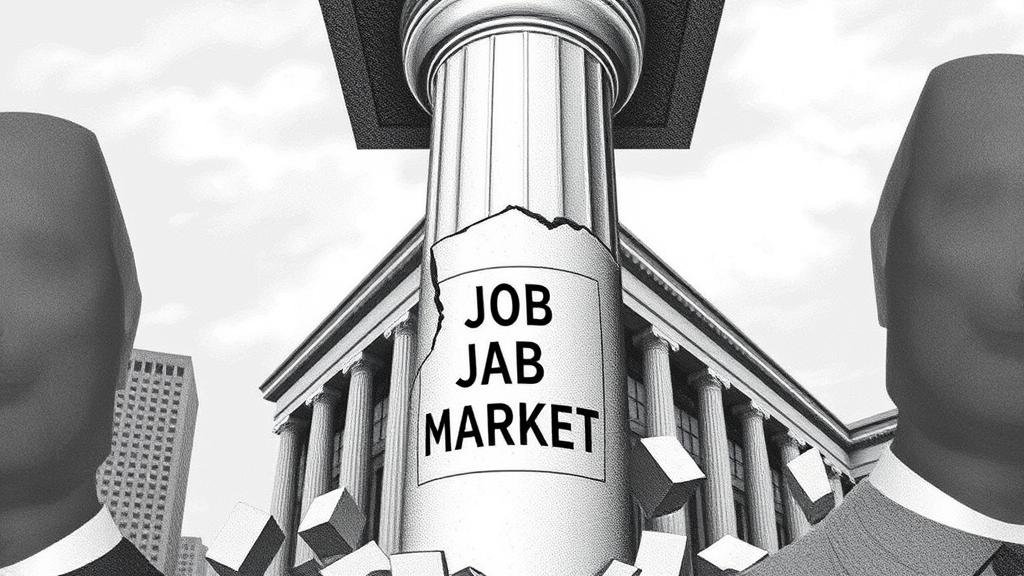
Economists were bracing for modest job gains, but the ADP report delivered a curveball: the private sector lost 32,000 jobs in November. This isn’t a slowdown; it’s a full stop.
This unexpected drop suggests the Federal Reserve’s aggressive interest rate hikes are finally hitting the brakes on business hiring. Companies are growing more cautious, moving from a hiring spree to a hiring freeze. While this might be a necessary step to cool inflation, it raises a critical question: is this a controlled cooldown or the start of something more severe?
What About Your Paycheck?
The era of explosive salary growth, fueled by the “Great Resignation,” is officially calming down. Slower wage growth is a key part of the Fed’s strategy to control inflation, but it has a direct impact on your wallet.
- Job-Stayers: Year-over-year pay increases have cooled to 4.4%.
- Job-Changers: The premium for switching jobs has dipped to 6.3%.
While any raise is good, the trend is clear: leverage is shifting back toward employers. The good news? This helps fight inflation. The bad news? Your purchasing power might feel the squeeze.
The Fed’s High-Stakes Balancing Act
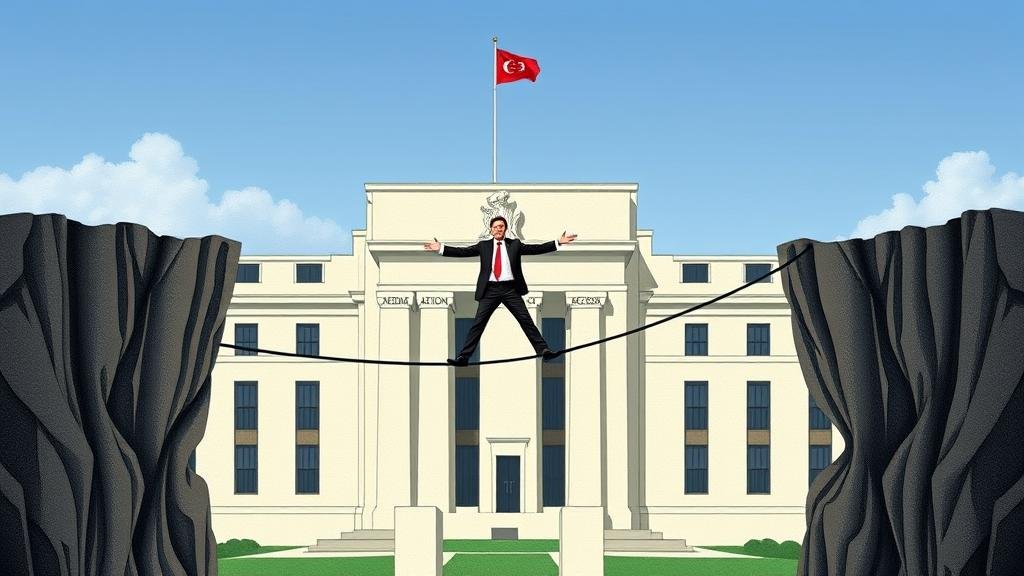
This report puts the Federal Reserve in a tight spot. Their goal has always been a “soft landing”—cooling the economy and job market without triggering a full-blown recession.
These job losses give the Fed a strong reason to pause its interest rate hikes and possibly consider rate cuts next year. However, the line between a soft landing and an economic downturn is razor-thin. If job losses accelerate, the Fed may need to pivot from fighting inflation to stimulating the economy.

ADP vs. BLS: The Opening Act and the Headliner
It’s crucial to remember that the ADP report is just the opening act. The main event everyone is waiting for is the official jobs report from the Bureau of Labor Statistics (BLS).
If the BLS report confirms this weakness, expect the economic narrative to shift dramatically. If it shows surprising strength, the market will be left guessing. For now, the job market is at a pivotal crossroads.
Key Takeaways:
- Cooling Job Market: The red-hot hiring environment is officially chilling out.
- Slower Wage Growth: Raises may be less substantial as the market stabilizes.
- Fed’s Next Move is Critical: The central bank must navigate carefully to avoid a recession.
As this economic story unfolds, stay informed, review your budget, and keep an eye on your emergency fund. The next chapter is sure to be compelling.