Is the AI Stock Bubble Bursting? Navigating the Global Tech Market Correction
A chill has descended upon the markets, and it’s not just the office AC. It’s the kind of chill that follows a significant global market sell-off, making you wonder if your phone is upside down. After months of AI-fueled partying, it looks like Wall Street has sparked a widespread market correction, and now global markets are feeling the tremor.
The culprit? A classic case of anxiety over high valuations. The AI hype train has been at warp speed, and now investors are asking if the destination (gargantuan profits) is as close as the ticket price suggests. This recent sell-off is a ripple effect sloshing from Tokyo to Frankfurt. So let’s analyze what’s driving this global market tremor.
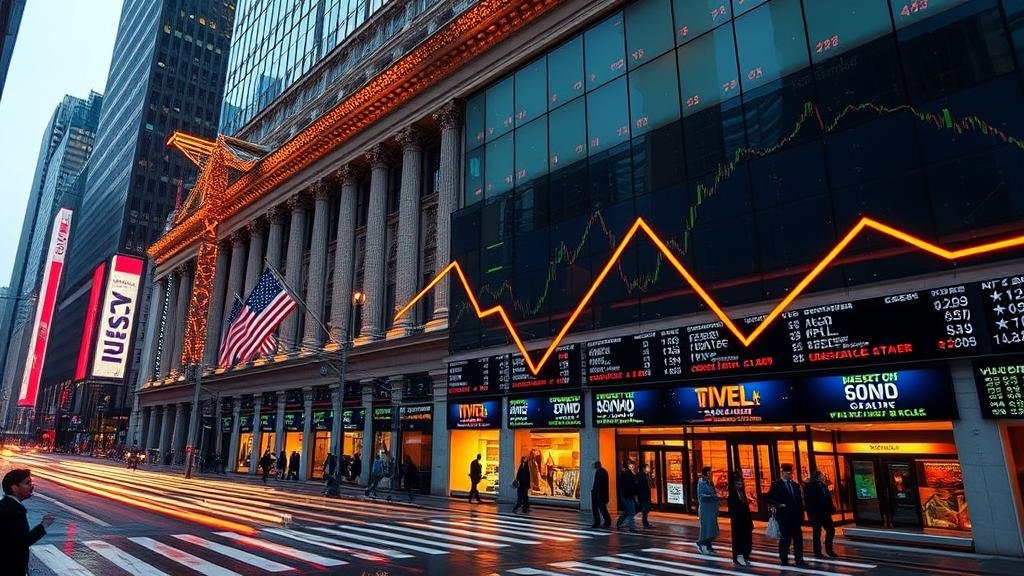
Wall Street Hits the Brakes
The first sign of trouble came from New York. The tech-heavy Nasdaq saw a significant slide, and the S&P 500 was dragged down with it. A key factor in this downturn has been the performance of tech stocks that have led the rally.
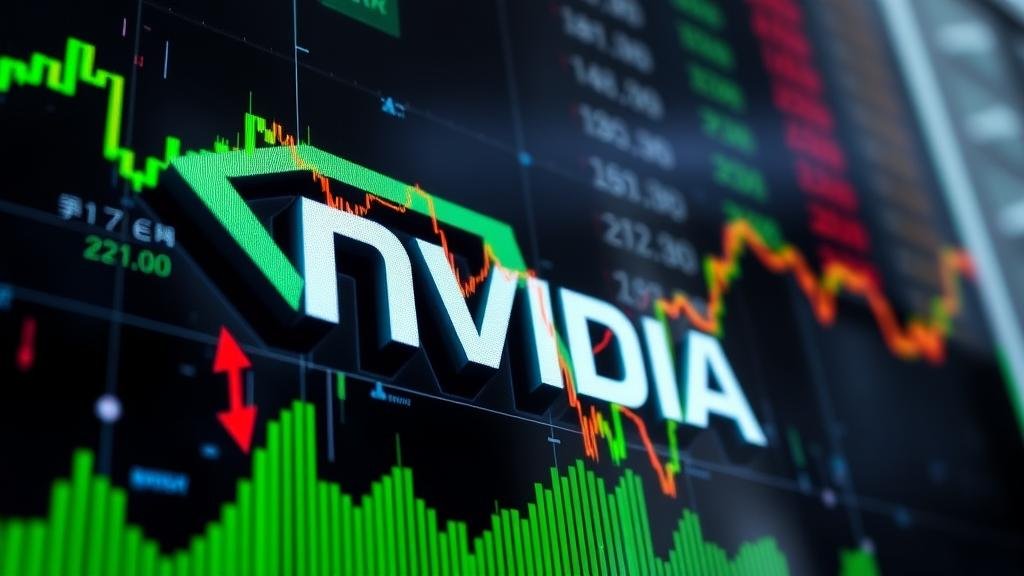
At the epicenter of this shakedown was Nvidia, the poster child of the AI revolution. The Nvidia stock fell over 3% in a single day, a move that raised eyebrows because it happened after a stellar earnings report. This reaction—where amazing news is met with a shrug—is a classic sign that market sentiment has soured.
For months, whispering “AI” could make stocks levitate. Now, it seems investors are in a “profit-taking” mood. The fear is that stocks like Nvidia were priced for perfection, creating a precarious situation where any uncertainty could trigger a sell-off. Many are now asking: is this the start of an AI stock bubble deflating?
The Domino Effect: Asian Markets Tumble
When Wall Street sneezes, the rest of the world often catches financial pneumonia. As trading floors opened in Asia, the pessimism proved contagious.
- Japan’s Nikkei 225 dropped, dragged down by its own tech giants.
- South Korea’s Kospi also took a hit, as nervousness among major US chip buyers directly impacts chip makers in Korea.
- Hong Kong’s Hang Seng Index continued its tough spell, compounded by the global downturn.
This synchronized dive happens because of a deeply connected global tech supply chain. Many of the biggest companies in Asia supply components to U.S. tech behemoths. If American firms slow down their orders for AI chips, the shockwave immediately hits their suppliers. A tech slump in the U.S. is rarely a private party.

Europe Catches the Cold
The wave of selling rolled right into Europe. The pan-European STOXX 600 slipped, with tech stocks leading the decline. Germany’s DAX and France’s CAC 40 followed suit. Even with local issues to content with, Europe couldn’t escape the gravitational pull of the U.S. market. For global investors, if the main engine of the market—the AI rally—starts to sputter, it’s time to ease up on the gas everywhere.

Deconstructing the AI Anxiety: More Than Just Profit-Taking
So, people are cashing out. But the anxiety runs deeper. Here are the key factors contributing to the current stock market volatility.
1. Are We in an AI Stock Bubble?
Ah, the ‘B’ word. It brings back memories of the dot-com crash. While no one doubts the transformative power of AI, investors are questioning if stock prices have gotten ahead of reality. We’re moving from the “Ooh, shiny!” phase to the “Show me the money!” phase, where sustainable profits are demanded.
2. The Specter of High Interest Rates
Central banks, like the U.S. Federal Reserve, have signaled that the interest rates impact on the economy will continue, as they may need to stay high to fight inflation. High rates are like Kryptonite for growth-oriented tech stocks, whose valuations are based on future profits. When rates are high, those future dollars are worth less today, making the stocks less attractive.
3. A Market in Need of a Breather
Finally, markets can’t go up forever. After the incredible run in 2023 and early 2024, a little pullback is healthy. It’s the market’s way of shaking out over-caffeinated speculators. This isn’t necessarily a sign of doom; it’s more like the market hitting the reset button.
What This Means for Your Investment Strategy
Seeing your portfolio dance can be unsettling. But this is a perfect time to remember some timeless advice for a solid investment strategy.
- The Power of Portfolio Diversification: This is Exhibit A for why you shouldn’t put all your eggs in one high-flying, AI-powered basket. A portfolio with portfolio diversification across different sectors and geographies can help cushion the blow.
- Focus on the Long Term: Short-term market swings are drama. The potential of AI to change the world hasn’t vanished. The trick is to separate market mood swings from a real, long-term shift.
- Quality Over Hype: In a nervous market, investors flock to quality. This is the time to focus on companies with solid financials and real business models, not just buzz.
The Final Takeaway
This global market slide is a sign that the AI investment party is maturing. The mix of profit-taking, bubble fears, and a tough interest rate environment has created a perfect storm of caution.
The AI revolution is far from over, but the road ahead will likely have more potholes. Think of it as a market correction, not a collapse; a re-evaluation, not a rejection. For now, it’s wise to proceed with caution, hug your diversified portfolio, and remember that in this world, a sneeze on Wall Street can still give everyone else a cold.