AI Stocks: Market Correction or the Beginning of the Bubble Burst?
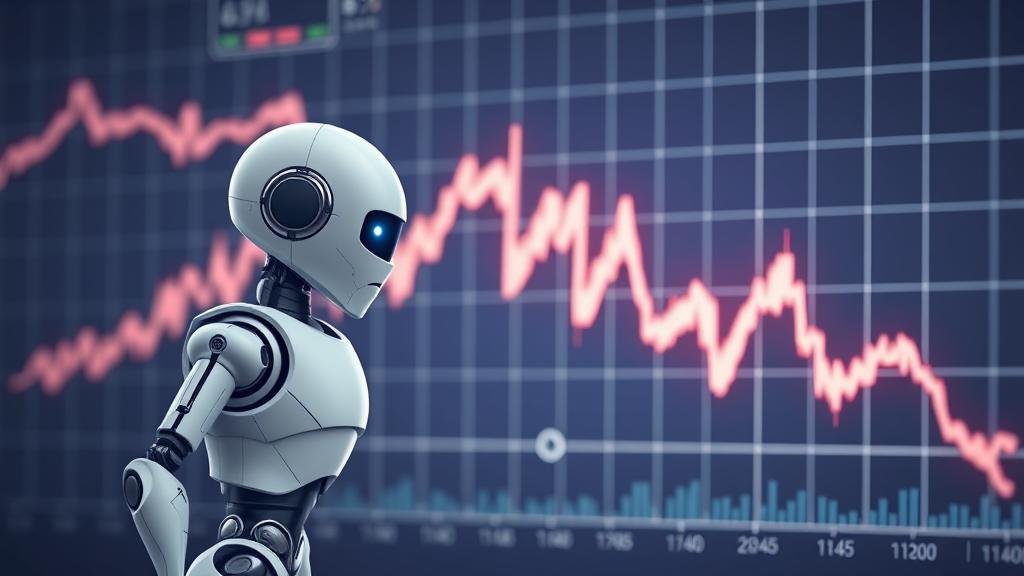
The robot apocalypse isn’t arriving with laser eyes and a thick Austrian accent, as it turns out. Instead, it’s targeting our stock portfolios first. After a year of AI stocks reigning as the darlings of Wall Street, they’ve stumbled, sending the entire global market into a nervous frenzy. European and Asian markets witnessed the U.S. falter and promptly joined the downturn. It’s like an office-wide yawn; for months, you could add “.ai” to a company and watch its stock soar. Now, it seems investors are finally asking, “What does this company actually *do*?” This drama is more intense than a seven-year-old’s tantrum over the last chicken nugget.
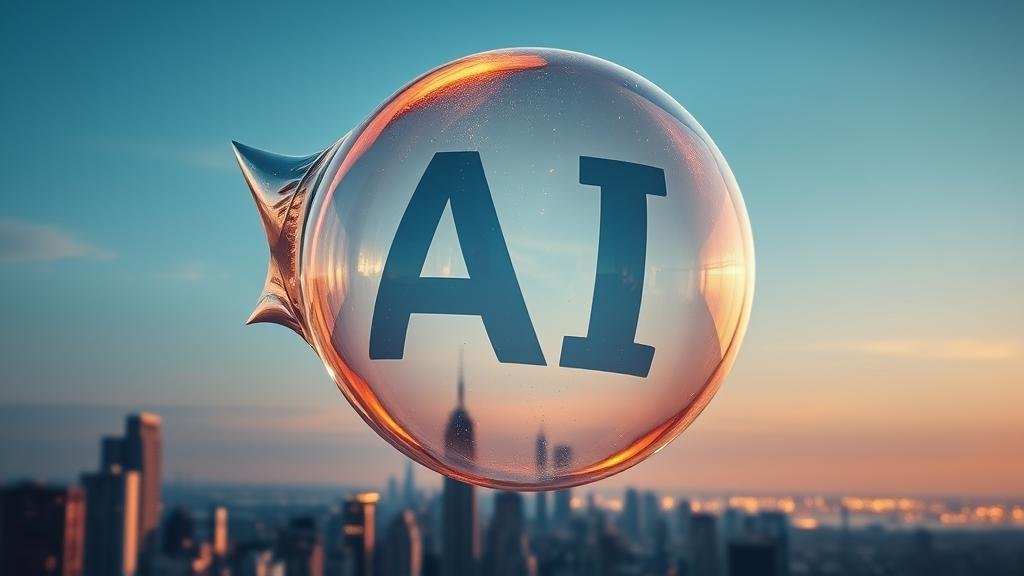
The AI Bubble: Are We Witnessing a Correction?
The turmoil began when the major U.S. tech stocks—the very ones that have been riding the AI investing wave—took a significant dive. This has caused a wave of concern among investors, who are now questioning whether these AI valuations are sustainable or simply fueled by hype and venture capital pixie dust.
The term “AI bubble” has been whispered in financial circles for a while. On one hand, AI technology is genuinely transformative. It promises to revolutionize industries, boost productivity, and perhaps even master the art of folding a fitted sheet. This has convinced many that the sky-high prices are justified.
On the other hand, this situation is giving some of us flashbacks to the late ‘90s. Remember the dot-com bubble? People were pouring their life savings into companies with flimsy business plans, like “selling pet socks online.” The parallels are hard to ignore: meteoric price increases, rampant FOMO (Fear Of Missing Out), and a tendency to value companies based on vibes rather than actual profits.
However, there’s good news: this dip might just be a healthy market correction. A market that only goes up is unnatural. These pullbacks shake out speculators and allow for a more stable foundation. For long-term investors, this could be a “20% off” sale on promising AI stocks.

The Ripple Effect: A Global Reaction to US Market Volatility
The global financial system is so interconnected that when the U.S. market stumbles, European and Asian markets often follow suit. The recent tech sell-off was no exception.
In Europe, stock markets opened lower, with tech companies leading the decline. This isn’t surprising, given their close ties to the U.S. tech scene. Asia experienced a similar trend, with tech-heavy markets taking a hit as investors remembered that trees—or in this case, server racks—don’t grow to the sky.

Navigating the Uncertainty: An Investor’s Guide to Market Jitters
Things feel a bit chaotic right now, with high inflation, fluctuating interest rates, and AI stocks having a moody teenager moment. So, what’s a savvy investor to do? Here is some investment advice for you.
- Don’t Panic. Selling everything during a downturn is rarely the right move. It’s like jumping off a roller coaster mid-loop.
- Focus on the Long Term. Long-term investing is a marathon, not a sprint. Good things take time. Daily market drama is mostly noise for the long-term investor.
- Diversify Your Portfolio. Portfolio diversification is key. Don’t put all your eggs in one high-tech basket. Spreading your investments across different industries and regions is a crucial part of risk management.
- Assess Your Risk Tolerance. If this market volatility is causing you to lose sleep, it may be time to reassess your risk tolerance. Be honest with yourself about whether you’re a “sleep soundly” investor or a “chug coffee and stare at charts” investor.
- Look for Opportunities. Market tantrums can create buying opportunities. When others are panic-selling, you might find high-quality companies at a discount.
The Road Ahead
This episode is a stark reminder of investment risks and that what goes up often comes down for a breather. Is the AI revolution over? Not at all. But the initial gold rush may be settling down.
Whether this is a temporary blip or the start of a larger trend, only time will tell. The road ahead will likely be bumpy, and investors will need to be nimble to navigate it successfully.