Airbus A320neo Software Update: Addressing Solar Flare Vulnerability in Aviation
A recent celestial event has prompted a significant response from one of the world’s leading aircraft manufacturers. A solar flare, a powerful eruption from the sun, has led Airbus to mandate a software update for up to 6,000 of its A320neo family jets to mitigate a newly identified solar flare vulnerability.
This situation highlights the increasing sensitivity of modern aircraft to cosmic phenomena and raises important questions about aviation safety. This article provides a comprehensive overview of the issue, the required fix, and the potential impact on passengers.
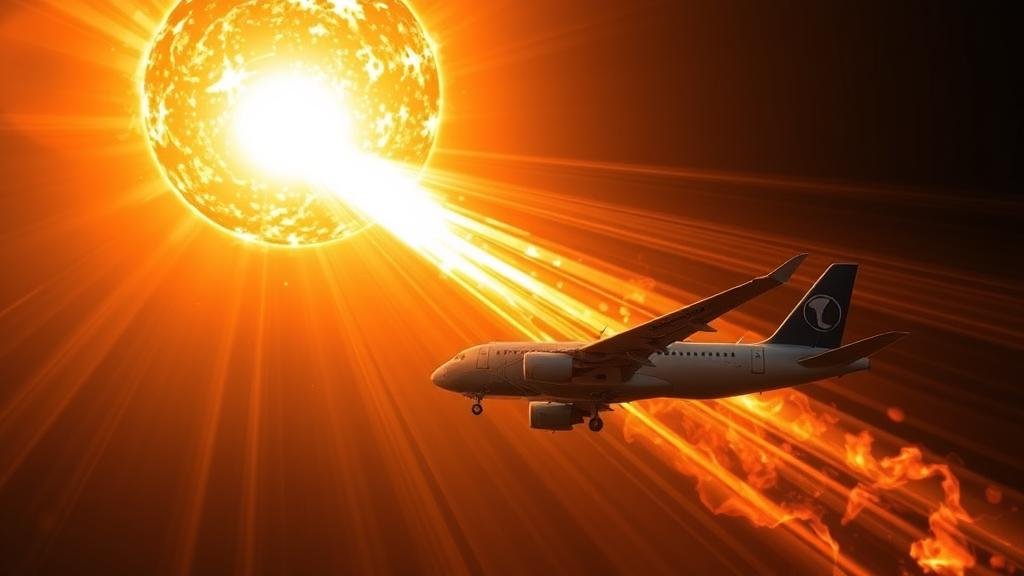
Understanding the Solar Radiation Threat to Aviation
The central issue is a phenomenon known as a “Single Event Upset” (SEU). Modern aircraft, particularly the Airbus A320neo family, are highly computerized. An SEU can occur when a high-energy particle from a solar flare strikes a sensitive electronic component, such as a memory chip, potentially altering its data.
Airbus identified a potential risk in the aircraft’s Elevator and Aileron Computers (ELAC). An SEU in these systems could theoretically lead to an uncommanded control input, a scenario that the aviation industry proactively seeks to prevent. It is important to note that this vulnerability was discovered through rigorous safety analysis, not as a result of an accident. No aircraft has ever crashed due to this specific issue.
The proactive A320 software update is a precautionary measure to ensure the continued airworthiness of the fleet and uphold the highest standards of aviation safety.
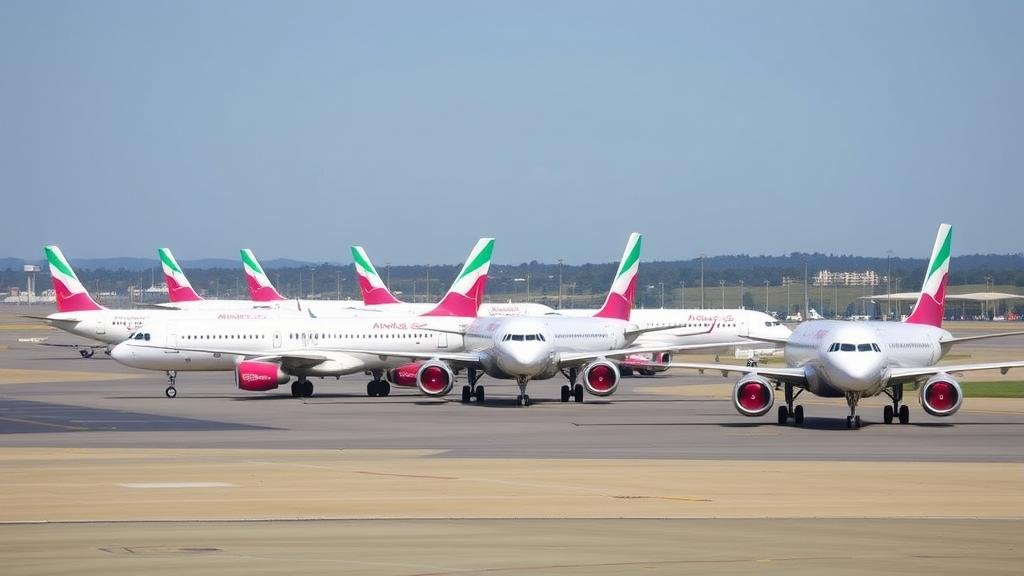
Affected Aircraft: The Airbus A320neo Family
The directive for the software update specifically targets the Airbus A320neo family, one of the most popular and reliable series of commercial aircraft in operation today. This includes the following models:
- A319neo
- A320neo
- A321neo (including the LR and XLR variants)
The recall affects a significant portion of the global fleet, with up to 6,000 aircraft operated by major airlines worldwide requiring the update. The sheer volume of affected aircraft underscores the logistical challenge for airlines to implement the fix without causing major flight schedule disruption.

The Solution: A Critical Software Update
The solution to this solar radiation risk is a software update, not a physical hardware replacement. Aviation authorities, including the Federal Aviation Administration (FAA) and the European Union Aviation Safety Agency (EASA), have issued directives mandating the update.
Airlines are now tasked with the complex process of scheduling this update for their fleets. This may lead to temporary operational adjustments and potential travel headaches for passengers.
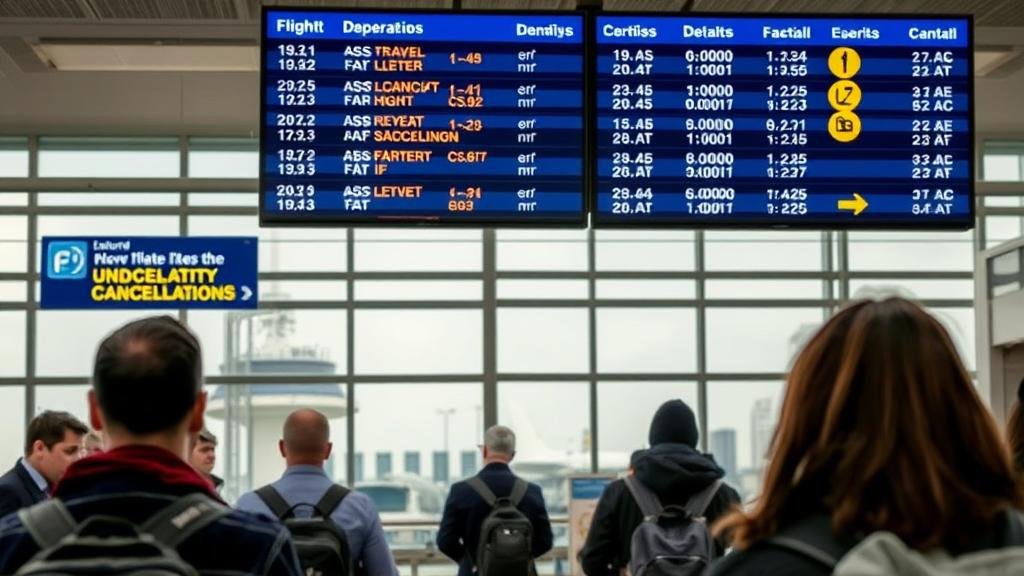
Implications for Passengers
The primary concern for the public is the safety of flying on an A320neo. Aviation experts and authorities have affirmed that it remains safe to fly. The software update is a proactive measure to address a theoretical risk, demonstrating the effectiveness of the aviation industry’s safety management systems.
However, passengers may experience some travel disruptions in the coming weeks, such as:
- Delays: Flights may be delayed as aircraft are taken out of service for the update.
- Cancellations: In some cases, flights may be canceled if a replacement aircraft is not available.
- Aircraft Swaps: Airlines may substitute different aircraft models to maintain their schedules.
Passengers are advised to:
- Check Your Flight Status: Regularly monitor your airline’s website or app for the latest updates.
- Read Airline Communications: Pay close attention to emails and notifications from your airline.
- Consider Travel Insurance: Review your travel insurance policy for coverage related to flight delays and cancellations.
The Broader Context: Solar Activity and Technological Resilience
This event is a compelling example of our technologically advanced world’s interaction with natural cosmic cycles. The sun is currently approaching the peak of its 11-year solar cycle, leading to an increase in solar flares and other energetic events.
This Airbus A320 recall and subsequent software update are indicative of a proactive approach to safety engineering, where potential threats are identified and mitigated before they can pose a significant risk.
Key Takeaways
- The Issue: A solar flare vulnerability has been identified in the A320 software, specifically affecting the flight control systems of the A320neo family.
- The Solution: A mandatory software update is being implemented across approximately 6,000 aircraft to mitigate the solar radiation risk.
- Passenger Safety: Flying remains safe. This is a precautionary action, not a response to an incident.
- Travel Impact: Passengers should anticipate potential flight schedule disruption and stay informed about their flight status.
Ultimately, this situation is a positive reflection of the robust safety protocols within the aviation industry, ensuring that air travel remains one of the safest modes of transportation.