Arsenal's Title Race: Are Nervous Fans Hurting the Team?
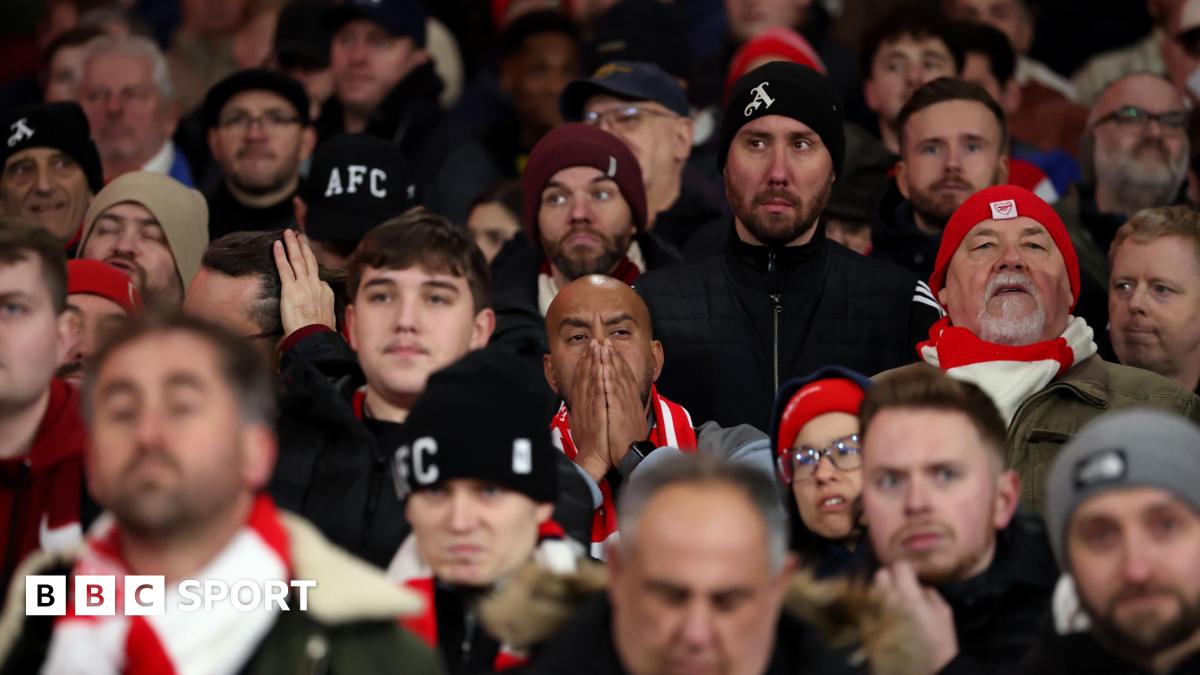
Arsenal: Are Gunners fans making team nervous?Image Credit: BBC News
Key Points
- •Historical Context: Arsenal has finished as Premier League runners-up for three consecutive seasons. This history of falling at the final hurdle has created a nervous energy among supporters, who fear another promising campaign could end in disappointment. The current four-match winless streak in the league has only amplified these concerns.
- •The Manager's Stance: "It's just understanding where you are," Arteta stated, acknowledging the emotional fallout from a loss. "This group of players are so competitive and they seek excellence and when you don't reach it you ask yourself questions."
- •A Dose of Reality: "My role there is to bring optimism and a reality of where we are," he continued. "We are doing so many things so well and let's focus mainly on that... with that sense as well of self-confidence and conviction that we are on the right path."
- •The Premier League Dividend: Winning the title secures a larger share of the Premier League's vast television rights and prize money pool, a windfall estimated to be in the tens of millions of pounds more than the runner-up's prize.
- •Champions League Momentum: While qualification for the Champions League is already secured for next season, winning the domestic league provides a higher seeding and a reputational boost that translates into greater commercial appeal and leverage in sponsorship negotiations.
Arsenal: Are Gunners fans making team nervous?
At the summit of the world's most lucrative football league, Arsenal finds itself in a paradoxical position: in complete control of its destiny, yet seemingly on the verge of a crisis of confidence. While the club's on-pitch performance this season has been exemplary, a palpable anxiety from the stands is threatening to spill onto the pitch, raising critical questions about the psychological and financial pressures of a modern title race.
The Gunners are, by any objective measure, having a stellar campaign. They sit four points clear at the top of the Premier League and have advanced to the Champions League last 16 after decisively winning their group. The club also holds a first-leg advantage over Chelsea in the Carabao Cup semi-final and remains active in the FA Cup. This is the very definition of a successful, multi-front season.
Yet, this position of strength has been met not with universal celebration, but with a growing sense of dread from a fanbase scarred by recent history.
The Specter of Seasons Past
The first signs of trouble emerged last weekend. A first home loss of the season, suffered against rivals Manchester United, was met with audible boos from sections of the Emirates Stadium. This reaction is not born from a single result, but from a deeper-seated fear.
- Historical Context: Arsenal has finished as Premier League runners-up for three consecutive seasons. This history of falling at the final hurdle has created a nervous energy among supporters, who fear another promising campaign could end in disappointment. The current four-match winless streak in the league has only amplified these concerns.
This anxiety from the stands is the central challenge manager Mikel Arteta now faces. His battle is no longer just against opposing teams, but against the internal fears of his own club's supporters.
Arteta's Call for Unity
In response, Arteta has launched a proactive communications campaign, using his press conferences to address the mood directly and rally support. Before a midweek European tie against Kairat Almaty, he made a direct plea, urging supporters to "jump on the boat" with the team and to "enjoy" the high-stakes run-in.
He reiterated this message of resilience and perspective before the crucial weekend trip to Leeds.
-
The Manager's Stance: "It's just understanding where you are," Arteta stated, acknowledging the emotional fallout from a loss. "This group of players are so competitive and they seek excellence and when you don't reach it you ask yourself questions."
-
A Dose of Reality: "My role there is to bring optimism and a reality of where we are," he continued. "We are doing so many things so well and let's focus mainly on that... with that sense as well of self-confidence and conviction that we are on the right path."
Arteta's words are a clear attempt at psychological management, aimed as much at the fans and media as his own players.
The Financial Undercurrent
For a club of Arsenal's stature, the pressure to win is not merely about sporting glory; it is an economic imperative. As a senior executive would attest, the difference between first and second place is measured in far more than a single point or goal.
The financial stakes of this title race are monumental. A nervous end to the season that results in another second-place finish carries significant bottom-line consequences.
-
The Premier League Dividend: Winning the title secures a larger share of the Premier League's vast television rights and prize money pool, a windfall estimated to be in the tens of millions of pounds more than the runner-up's prize.
-
Champions League Momentum: While qualification for the Champions League is already secured for next season, winning the domestic league provides a higher seeding and a reputational boost that translates into greater commercial appeal and leverage in sponsorship negotiations.
-
Brand and Asset Value: A winning team is a powerful global brand. Silverware solidifies a club's elite status, driving merchandise sales, increasing global fan engagement, and directly inflating the market value of the players on its roster. A team that is perceived as mentally fragile risks damaging this brand equity.
The Psychology of Pressure
The core question is whether the anxiety in the stands is creating a self-fulfilling prophecy on the pitch. A supportive home crowd is often cited as a "12th man," but a nervous one can have the opposite effect, transforming a fortress into a pressure cooker.
Players are not immune to the atmosphere. Hesitation from the crowd can breed hesitation on the ball. Every misplaced pass or missed opportunity is amplified, potentially leading to safer, less incisive play.
- The Negative Feedback Loop: Anxious fans can make players tentative. Tentative play can lead to poor results. Poor results then validate and intensify the fans' anxiety, creating a cycle that is difficult to break.
Arteta's challenge is to insulate his players from this external pressure, reminding them to trust the processes that put them four points clear in the first place.
The Path Forward
Arsenal's upcoming trip to Leeds is more than just another league match; it is the first major test of the team's—and the club's—collective resolve since Arteta's public address. A convincing performance would do more than secure three points; it would serve as a powerful statement that the team is mentally robust enough to handle the weight of expectation.
The coming weeks will determine whether this Arsenal side has the psychological fortitude to match its evident technical quality. For the club's board, management, and investors, the goal is clear: ensure the narrative remains focused on the opportunity for triumph, not the fear of failure. The financial and sporting rewards of doing so are simply too great to ignore.
Source: BBC News
Related Articles
ARRY Stock Sinks Despite Market Gains: What to Know
Array Technologies (ARRY) stock declined 2.5% in the latest session, contrasting with market gains. Find out why the solar stock fell and what it means for inve
India and the EU clinch the 'mother of all deals' in a histo
US Equity Indexes Sink Following Warsh's Nomination as Fed C
Jay Vine Wins Tour Down Under 2026 After Kangaroo Crash
Australian cyclist Jay Vine secures the overall victory at the 2026 Tour Down Under despite a dramatic final-stage crash involving a kangaroo.