Bank of Japan Signals Major Policy Shift: What an Interest Rate Hike Means for Global Markets
For years, the Bank of Japan (BOJ) has been a symbol of stability in the financial world, consistently adhering to its negative interest rate policy. This long-standing strategy, in place since 2016, has been the cornerstone of Japan’s monetary policy.
However, recent developments suggest a significant policy shift may be on the horizon.
BOJ Governor Kazuo Ueda has indicated that a change is not only possible but could be imminent. These comments have sent ripples through the markets, prompting analysts to reassess the future of Japan’s economic policy. This article breaks down Governor Ueda’s statements, the market’s reaction, and the potential implications for the global economy.

Key Statements Triggering Market Speculation
In a recent press conference, Governor Ueda announced that the BOJ would “thoroughly discuss” the possibility of raising interest rates. This statement marks a significant departure from the central bank’s typically cautious and non-committal language.
Ueda further commented that a minor rate hike “wouldn’t put the brakes on Japan’s economy,” addressing the primary concern that has kept rates in the negative territory: the risk of derailing Japan’s fragile economic recovery. This was a calculated move to prepare the markets for a potential policy change. A rate hike, the first in 17 years, is now a real possibility, with December being a potential timeline for this major decision.
Market Reaction: The Yen and JGBs Respond
The financial markets reacted swiftly to these developments.
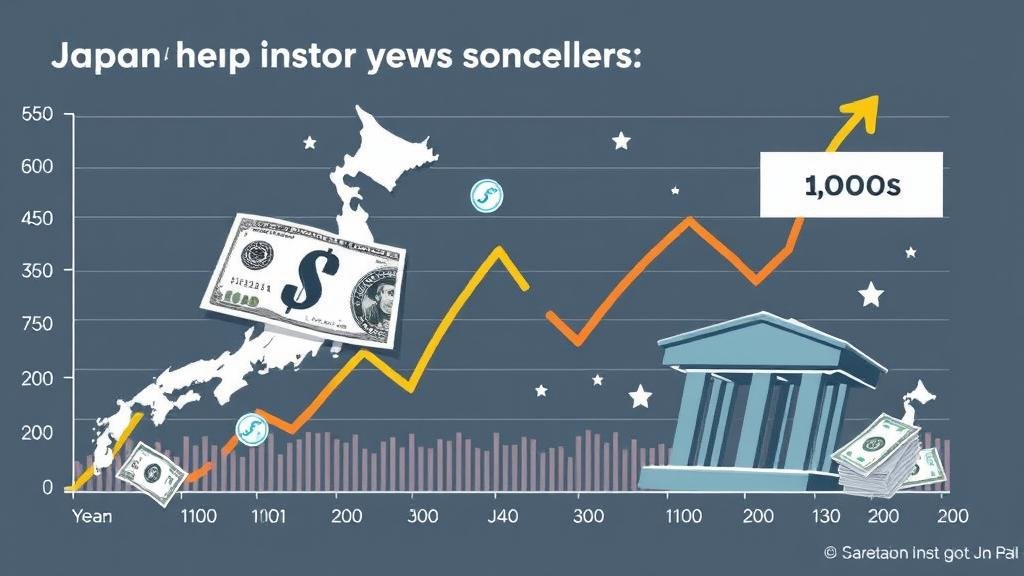
- The Japanese Yen: The yen, which had been weakening for months, experienced a sharp appreciation against the dollar. A higher interest rate makes holding yen more attractive to investors, leading to increased demand for the currency.
- Japanese Government Bonds (JGBs): JGB yields also rose. When interest rates are expected to rise, existing bonds with lower payouts become less attractive, causing their prices to fall and their yields to increase.
The synchronized movement of the currency and bond markets indicates that investors are taking Governor Ueda’s statements seriously, betting on a forthcoming policy shift.
Why the Change in Monetary Policy?
The BOJ’s primary objective for decades has been to combat deflation. The ultra-low interest rate policy was designed to encourage spending and stimulate the economy. Several factors are now contributing to a potential reversal of this policy:
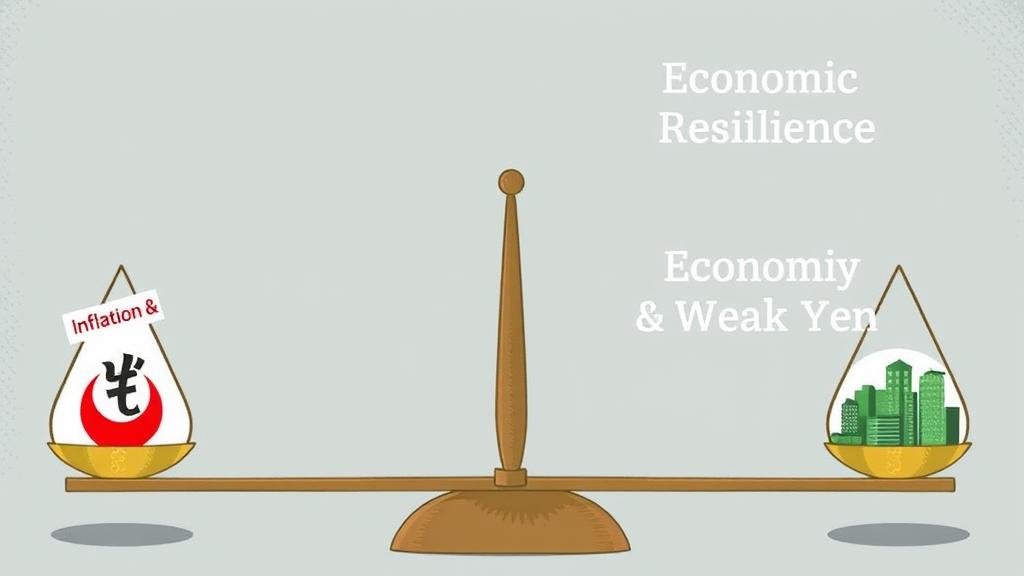
- Sustained Inflation: Japan is now experiencing consistent inflation, a key target for the BOJ. With wages also beginning to rise, there is growing confidence that this inflation is sustainable.
- The Weak Yen: While a weak yen benefits exporters, it has increased the cost of living for consumers by making imports more expensive. A rate hike could strengthen the yen, alleviating some of this pressure.
- Economic Resilience: Governor Ueda has expressed confidence that the Japanese economy is robust enough to withstand a small interest rate increase without a significant downturn.

Potential Consequences of a Rate Hike
If the BOJ proceeds with a rate hike in December, it will have far-reaching effects.
For the Japanese economy, it would signal an end to the long battle against deflation. However, it would also increase borrowing costs, which could temper economic activity. The BOJ faces the delicate task of normalizing its monetary policy without derailing the recovery.
For global markets, a rate hike in Japan could be a transformative event. For years, Japanese investors have been major players in international markets, seeking higher returns abroad through the “carry trade.” If domestic interest rates rise, a significant portion of this capital could flow back into Japan, potentially causing volatility in global stocks and bonds.
The upcoming Bank of Japan meeting in December will be closely watched by investors worldwide. Regardless of the outcome, it is clear that the era of unwavering monetary policy is ending, heralding a new phase for Japan’s economy and the global financial landscape.
Summary
- The News: BOJ Governor Ueda has strongly hinted at an interest rate hike, with a potential decision in December.
- Market Response: The yen and Japanese bond yields have surged, indicating that investors are pricing in a policy change.
- The Rationale: Japan is experiencing sustained inflation, and a weak yen is creating economic challenges.
- Global Impact: A rate hike in Japan could lead to a significant repatriation of Japanese capital, impacting global financial markets.