The Bank of Japan’s Big Pivot: Is the Era of Negative Interest Rates Finally Over?
For what feels like an eternity, the Bank of Japan (BOJ) has been the undisputed king of economic pessimism. But it seems the sun is finally starting to rise in the Land of the Rising Sun. The long, peculiar era of negative interest rates may be drawing to a close, and the global markets are watching with bated breath.
BOJ Governor Kazuo Ueda has been dropping hints about a potential interest rate hike, causing a stir in the financial world. The Japanese yen is showing signs of life, and investors are wondering if this is the real deal. While “monetary policy” might sound like a snoozefest, this is a development with significant implications.

The Negative Interest Rate Policy: A Crash Course
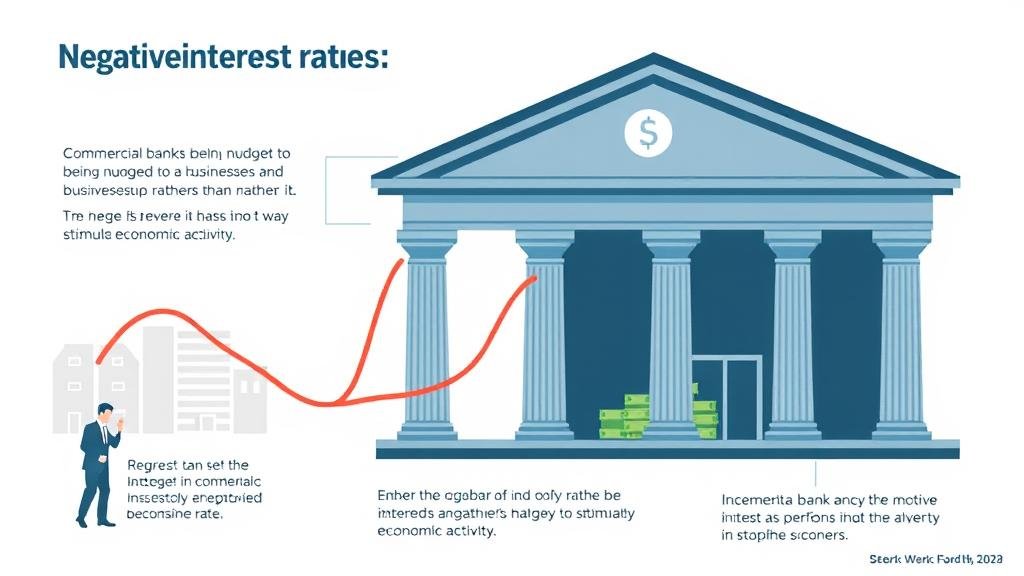
To understand the gravity of the situation, we need to rewind to 2016. Japan was in a prolonged battle with deflation (falling prices), the opposite of the inflation problem plaguing the rest of the world. To combat this, the Bank of Japan introduced a negative interest rate policy.
In simple terms, commercial banks were charged for keeping their excess cash at the central bank. The idea was to encourage them to lend and invest, thereby stimulating the economy. While it had some effect, it also squeezed bank profits and created a unique market environment. The BOJ has been patiently waiting for inflation to reach a stable 2% before considering a change. It seems that moment has arrived.
The Governor’s Gambit and Market Mayhem
Enter BOJ Governor Kazuo Ueda. His recent statements suggesting the BOJ will weigh the “pros and cons” of a rate hike are a significant departure from the central bank’s traditionally cautious messaging. In the world of central banking, that’s practically a declaration of intent.
This shift, combined with rising inflation and wage growth, has economists and investors buzzing with speculation about an impending interest rate hike. This potential pivot has sent ripples through the markets.

Market Reaction: A Mixed Bag
The prospect of an interest rate hike has had a dramatic effect on the Japanese yen, which has strengthened significantly. A stronger yen, however, is a double-edged sword. While it reflects growing confidence in the Japanese economy, it makes the country’s exports, from companies like Toyota and Sony, more expensive for international consumers, potentially hurting their profits.
Consequently, the Nikkei index has been experiencing some volatility. For the rest of the world, this is a major heads-up. Japan has long been a source of cheap money for the global economy. An interest rate hike could mean borrowing becomes more expensive for everyone.
The Bottom Line: The yen is gaining strength, stocks are on a rollercoaster, and the global economy is bracing for impact.
The Great Balancing Act
The Bank of Japan is now faced with a monumental challenge: raising rates to control inflation without derailing the fragile economic recovery it has spent decades trying to foster.
A crucial factor in this decision is the upcoming “shunto,” Japan’s annual spring wage negotiations. If these negotiations result in significant wage increases, it will signal a rise in consumer spending power, giving the BOJ the green light it needs to raise rates.
Even if a rate hike does occur, expect it to be a slow and deliberate process. The BOJ has made it clear that it will not hesitate to reverse its course if the economy shows any signs of faltering.
Final Word: Keep an eye on the shunto wage negotiations. If Japanese workers get a pay raise, the BOJ is likely to initiate a gradual interest rate hike, marking a new chapter for the Japanese economy and the global financial landscape.