Beijing Launches City-Wide Building Safety Inspections: What You Need to Know
Let’s discuss the critical topic of building safety in Beijing. While it may not sound like the most thrilling subject, it’s a matter of significant importance for residents and property owners in the megacity.
The Beijing municipal government has initiated a comprehensive, city-wide campaign to inspect residential and public buildings for potential safety hazards. In a city characterized by towering high-rises, ensuring the structural integrity of every building is a paramount concern. This article will break down the reasons behind this initiative and what it entails for you.
What Triggered the City-Wide Inspections?
Government-led campaigns of this magnitude are seldom arbitrary. This recent push for enhanced safety is a response to several recent incidents, including a significant high-rise fire in Hong Kong that served as a stark reminder of the potential risks. Such events have prompted officials in mainland China to proactively assess their own safety measures.
Furthermore, China has experienced an unprecedented construction boom over the past few decades. This rapid development has, at times, led to concerns about construction quality. This inspection campaign can be seen as a city-wide effort to retroactively ensure that all buildings meet the required safety standards—a “measure twice, cut once” approach on a municipal scale.
Scope of the Inspections: A Detailed Checklist
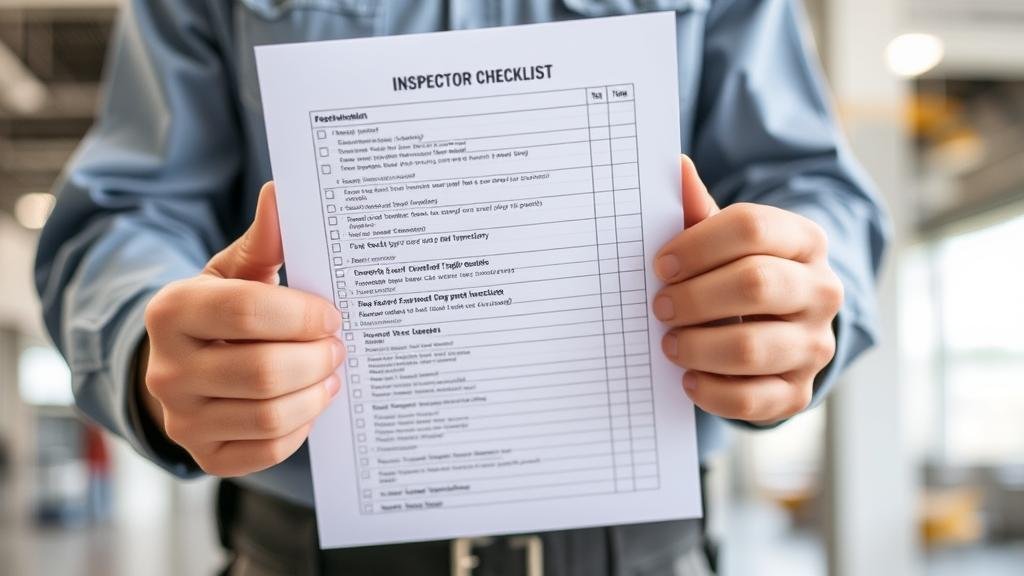
The inspectors leading this campaign are tasked with a thorough evaluation that goes far beyond a superficial glance. Their checklist is comprehensive, covering all aspects of building safety.
- Structural Integrity: Inspectors will be meticulously searching for any signs of structural weakness, such as cracks or instability, that could compromise the building’s safety. This is a fundamental step in preventing structural failures.
- Fire Safety Systems: This is a major focus. The inspections will involve testing fire alarms, verifying the functionality of sprinkler systems, and ensuring that all fire escapes are unobstructed and accessible. The primary goal is to guarantee that emergency exit plans are viable and effective.
- Electrical and Gas Safety: The campaign will also address the hidden dangers of faulty wiring and gas lines. Inspectors will be checking for outdated or hazardous electrical systems and ensuring that all gas installations are secure and compliant with safety standards.
- Public and Common Areas: The inspections are not limited to individual residences. Common areas such as lobbies, hallways, and underground parking garages will also undergo a complete safety assessment.
Broader Context: China’s Real Estate Market
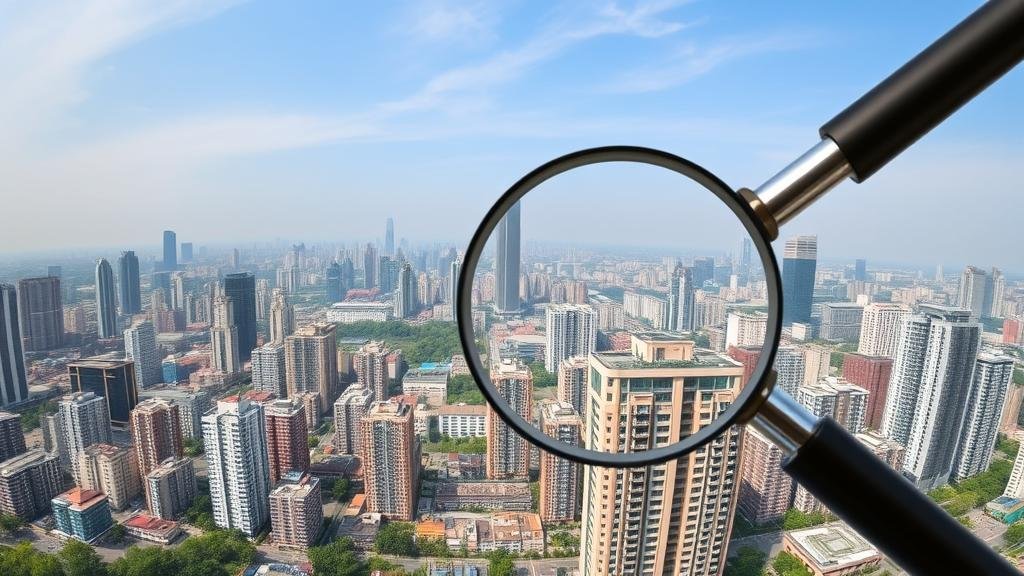
This safety campaign is part of a larger narrative unfolding in China’s real estate sector. The long-standing mantra of “build faster, build more” is gradually being replaced by a focus on quality and safety.
Following a housing boom that led to the creation of numerous new apartment buildings and even some “ghost cities,” many developers are now grappling with substantial debt. In this economic climate, ensuring the safety and value of existing buildings is more critical than ever. It represents a shift towards responsible management and long-term sustainability.
In a related development, Beijing is also implementing new technologies, such as facial recognition in public housing, to prevent illegal subletting. This indicates a broader move towards tighter regulation and monitoring in the property sector.
What This Means for Residents and Property Owners
For the average Beijing resident, these inspections are a mixed blessing. The good news is that the government is taking proactive steps to ensure your home is safe. The potential downside is that if a problem is discovered, it could lead to disruptive and costly repairs.
Property owners are now under pressure to ensure their buildings are up to code. If a building fails its inspection, the owner will be responsible for financing the necessary repairs. This can be viewed as a mandatory investment in a property’s long-term safety and value.
For those looking to buy or rent property in Beijing, this is a crucial time to be diligent. It is more important than ever to inquire about a building’s safety record and the date of its last inspection.
Looking Ahead: A Safer Beijing?
This initiative represents a significant and commendable step for Beijing. It signals a recognition that being a “world-class” city is not just about impressive skylines; it’s about ensuring that those buildings are safe and sustainable for the long term.
The ultimate success of this campaign will depend on consistent follow-through. Identifying problems is only the first step; implementing effective and lasting solutions is the true challenge. However, this is a promising start and a clear indication that the city is prioritizing the well-being of its residents.