BHP’s Failed Anglo American Takeover: The Copper War Is Just Beginning
A corporate love triangle with more drama than a season of Succession just reached its finale. Australian mining giant BHP has officially walked away from its audacious takeover bid for historic UK-listed rival Anglo American. The prize? A colossal amount of copper, the metal powering our green energy future.
This wasn’t just a boardroom squabble; it was a potential mega-merger that would have created a global copper king, and its failure sends shockwaves through the global metals market. The mining world was already buzzing after a major deal with Canadian miner Teck Resources, but BHP’s renewed, and ultimately failed, pursuit of Anglo American took the drama to another level. This saga was a corporate quest to dominate the copper market, a metal that’s become as essential to the 21st century as oil was to the 20th.
So, what happened? Let’s break down the players, the prize, and the epic corporate flameout. Who are these companies? Why the obsession with copper? And what does this failed deal mean for the future of mining?

The Titans in the Ring: BHP vs. Anglo American
To understand the drama, you need to know the celebrities involved. These are the Brad Pitt and George Clooney of the mining world.
BHP Group: The Australian Powerhouse
BHP, headquartered in Melbourne, is a global behemoth with interests in everything from iron ore to nickel. Under CEO Mike Henry, BHP has been pivoting to “future-facing commodities.” In other words, they’re all in on the metals needed for electric vehicles (EVs) and wind turbines. Their bold, and ultimately unsuccessful, move on Anglo American was their attempt to become the undisputed king of these “green” metals.
Anglo American: A Diversified Legacy with a Coveted Prize
Anglo American, a London-listed company with a storied past, has a more eclectic portfolio, including platinum and diamonds (they own most of De Beers). But the real treasure in their crown is their world-class copper operations in Chile and Peru. These mines are the mining equivalent of a beachfront property in Malibu—and everyone wants a piece.

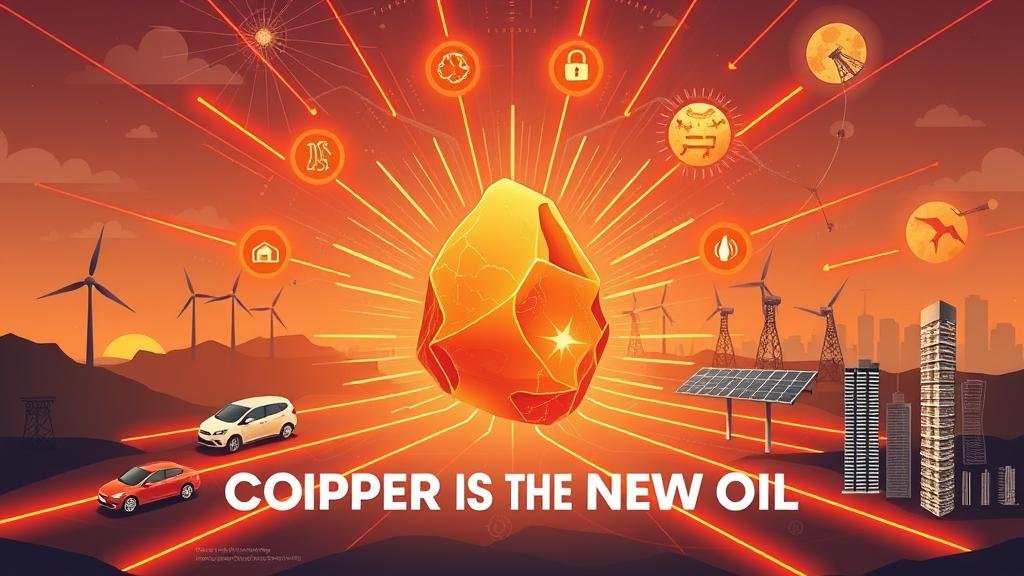
The Real Prize: Why Copper is the New Oil
The entire plot of this corporate thriller boils down to one thing: copper. It’s the unsung hero of the green energy transition. An EV needs about four times more copper than a traditional car. Wind turbines, solar panels, and charging stations all require massive amounts of it. This has sparked a frenzied race among mining giants to secure their supply. Building new mines is a slow and expensive process, so buying a competitor is a much quicker path to dominance. A successful deal would have given BHP control of a staggering 10% of the world’s copper supply.
Deconstructing the Deal: An Audacious and Complex Proposal
BHP‘s offer wasn’t a simple cash buyout. Their proposal required Anglo American to spin off its majority stakes in two South African companies, Kumba Iron Ore and Anglo American Platinum, before BHP would acquire the remaining assets with an all-share offer.
Anglo American‘s board rejected the “highly unattractive” offer, arguing it massively undervalued their company. BHP returned with a higher offer, but the complex structure and the controversial South African spin-off clause proved to be major sticking points.
The Mountain of Hurdles: Why the Deal Collapsed
A takeover of this magnitude always faces significant obstacles.
-
Regulatory Scrutiny
Combining two copper Goliaths would have attracted intense scrutiny from regulators, especially in China, the world’s largest copper consumer. The prospect of one company controlling such a large portion of the market was a major red flag.
-
Political and Social Opposition
The demand to spin off the South African assets was a political landmine. Anglo American has deep roots in South Africa, and the government there expressed serious concerns about the deal’s impact on its economy and stock exchange.
-
Valuation and Shareholder Approval
Ultimately, the two sides couldn’t agree on a price. Anglo American believed it could deliver more value to its shareholders by going it alone. BHP was unwilling to sweeten the deal further, leading to the dramatic collapse of the talks.
What This Means for the Mining Sector | A Creditnewsinsider Analysis
BHP‘s failed bid is a giant flashing sign for the entire mining industry.
- The Green M&A Boom is Here: The hunt for “future-facing commodities” is far from over. Companies are ready to spend big to acquire the assets they need for the energy transition.
- Consolidation is the Name of the Game: The pressure is now on other major players like Rio Tinto and Glencore. They may see this as an opportunity to make their own moves, or risk being left behind in the race for copper.
- A Shift in Geopolitical Risk: BHP‘s attempt to shed the South African assets highlights the growing reluctance of major miners to operate in jurisdictions they perceive as too complex or risky.
The BHP–Anglo American saga may be over, but the copper war is just beginning. The scramble for this critical metal is on, and the giants of the industry are making moves that will shape the future of the global economy. The next few months will be critical. Will another suitor emerge for Anglo American? Will BHP shift its focus to another target? One thing is for sure: the world of mining is in for a major shake-up.