Birthright Citizenship on Trial: Will the Supreme Court Redefine the 14th Amendment?
Let’s dive into a light topic: the potential unraveling of a 150-year-old constitutional amendment. The Supreme Court has decided to review birthright citizenship, a foundational principle of American law. This move, a carryover from the Trump administration, has ignited a national debate over the very definition of what it means to be an American.
For generations, the 14th Amendment has operated on a simple premise: if you are born in the United States, you are a citizen. Full stop. But now, the highest court in the land is set to weigh in, and its decision could trigger a massive, messy rewrite of U.S. citizenship law.
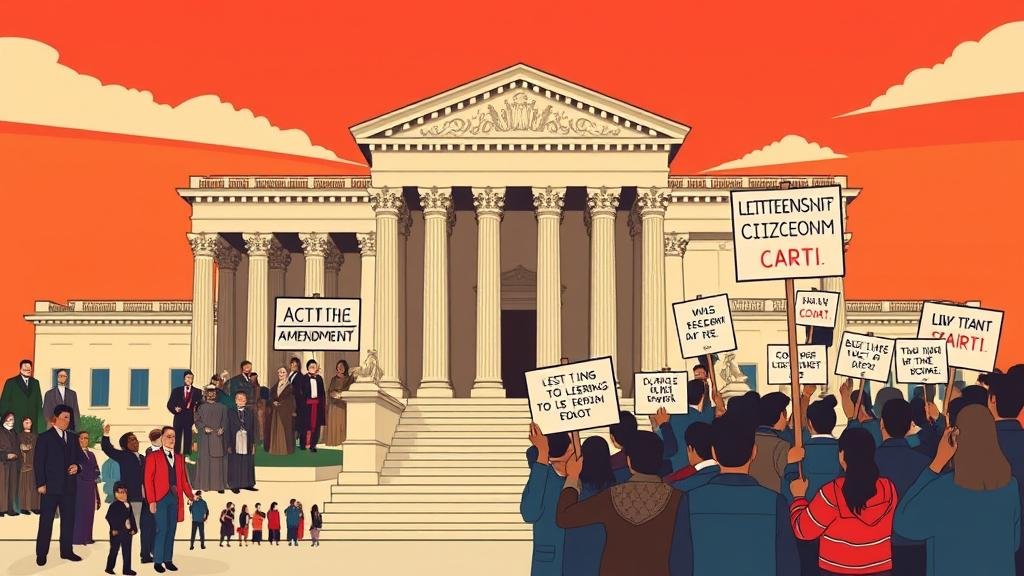
The History of Birthright Citizenship and the 14th Amendment
To grasp the stakes, we have to go back to 1868. In the aftermath of the Civil War, the 14th Amendment was ratified to counteract the Supreme Court’s infamous 1857 Dred Scott decision, which denied citizenship to Black people. The amendment’s framers were clear, stating, “all persons born or naturalized in the United States, and subject to the jurisdiction thereof, are citizens.”
This established a policy of jus soli (“right of the soil”), granting citizenship based on birthplace. This stood in contrast to the European jus sanguinis (“right of blood”) model, where citizenship is inherited from parents. The precedent was solidified in 1898 in United States v. Wong Kim Ark. Wong Kim Ark, born in San Francisco to Chinese parents, was denied re-entry to the U.S. after a trip to China. He sued, and the Supreme Court affirmed that under the 14th Amendment, he was indeed a citizen.
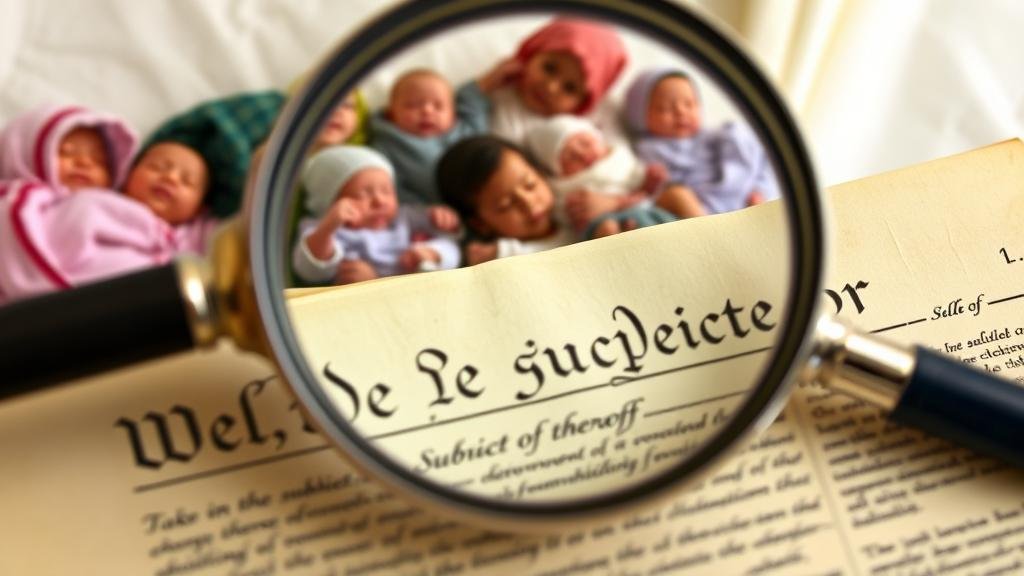
The Modern Debate: “Subject to the Jurisdiction Thereof”
The entire contemporary argument against birthright citizenship hinges on five words: “subject to the jurisdiction thereof.” Opponents claim this phrase excludes the children of parents who are in the country without authorization, arguing they owe allegiance to a foreign power.
However, a vast majority of legal scholars and historians contend this is a misreading. They argue the “jurisdiction” clause was intended to exclude only a very narrow group: children of foreign diplomats and hostile invading forces, who are not subject to U.S. laws. Everyone else, including those whose parents are undocumented immigrants, falls under the amendment’s protection.
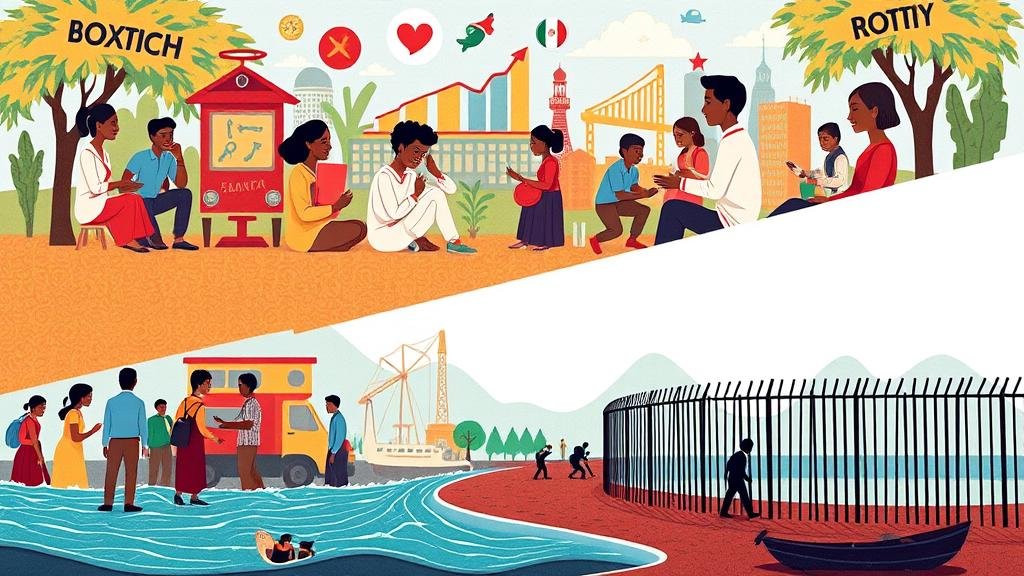
The Arguments: A National Showdown
The debate is fierce, with compelling arguments on both sides.
Arguments for maintaining birthright citizenship:
- Historical Precedent: Supporters point to over 150 years of legal and social precedent.
- Economic Stability: Economists argue that a stable, integrated populace strengthens the tax base and fosters community investment.
- Social Cohesion: Sociologists warn that creating a permanent, disenfranchised underclass could lead to social instability.
- Humanitarian Grounds: Proponents argue it is fundamentally unjust to deny belonging to individuals who have only ever known the U.S. as home.
Arguments against birthright citizenship:
- “Birth Tourism”: Critics raise concerns about individuals traveling to the U.S. solely to give birth to a citizen.
- National Security: Some argue it poses potential, though often unspecified, security risks.
- Rule of Law: Opponents believe it “rewards” illegal immigration, thereby undermining the legal immigration system.
- Resource Strain: Concerns are voiced about the impact on public resources like schools and healthcare.

The Domino Effect: What Happens if Birthright Citizenship is Overturned?
The Supreme Court’s decision will have monumental consequences. If the court overturns the long-standing interpretation of the 14th Amendment, it could:
- Instantly create a massive stateless population, leading to a humanitarian and logistical crisis.
- Tear families apart, creating a legal twilight zone for those with mixed-status family members.
- Drive a large segment of the population into the shadows, which would be detrimental to both the economy and social fabric.
- Fundamentally alter core American values regarding who is welcomed as a citizen.
As the nation awaits the Supreme Court‘s ruling, the future of birthright citizenship hangs in the balance. The decision will not only resolve a complex legal question but will also send a powerful message about American identity for generations to come.