S&P 500, Nasdaq Rise on Tech Strength & Strong Earnings
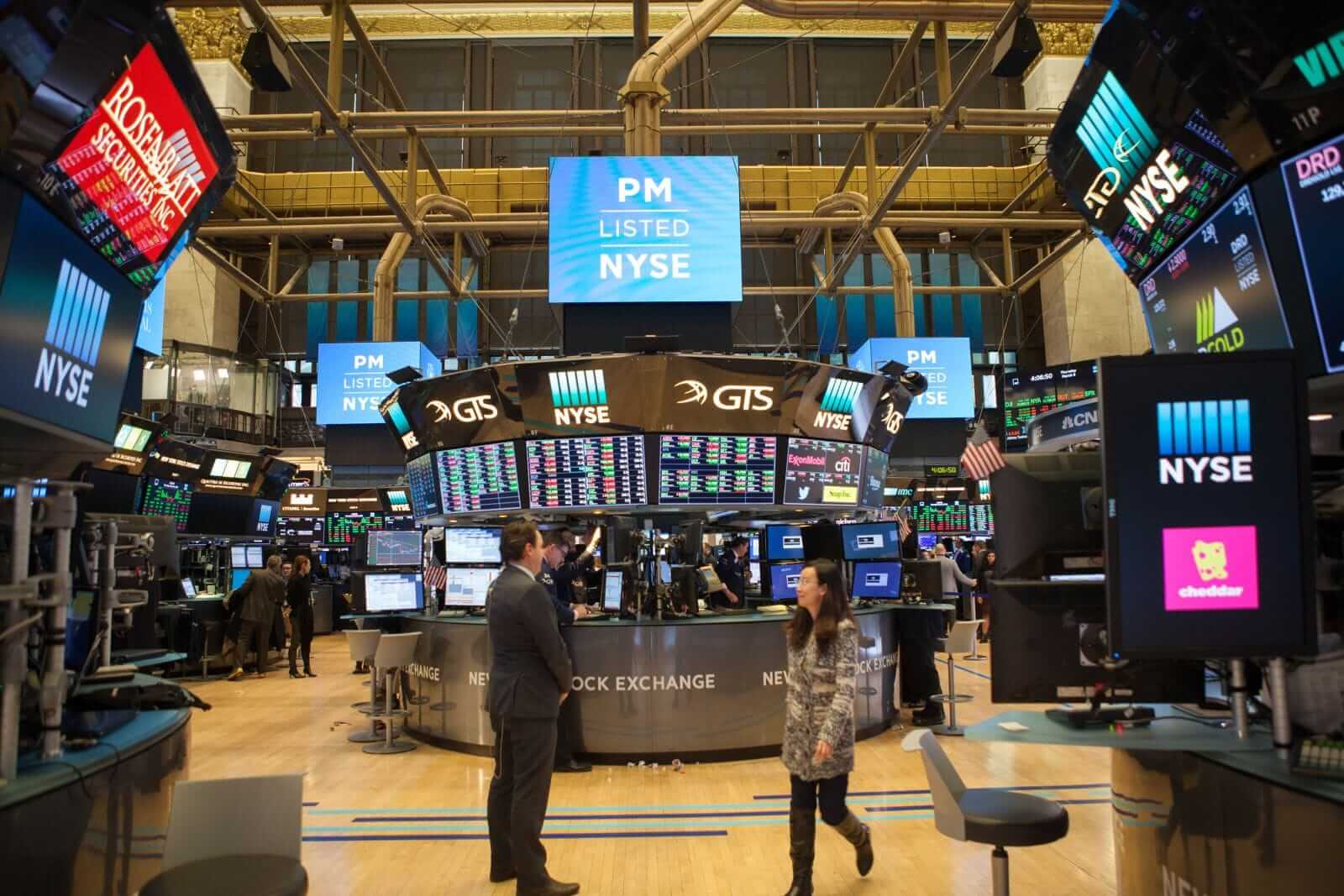
Broader Market Rallies on Tech Strength and Solid EarningsImage Credit: Yahoo Finance
Key Points
- •NEW YORK – U.S. equities presented a divided picture Tuesday, as a powerful surge in technology stocks propelled the S&P 500 and Nasdaq 100 to multi-week highs, even while the Dow Jones Industrial Average faltered under the weight of healthcare sector concerns. Investors largely shrugged off a stunning drop in consumer confidence, focusing instead on strong corporate earnings and momentum in artificial intelligence and semiconductor stocks.
- •S&P 500 Index ($SPX): +0.47%
- •Nasdaq 100 Index ($IUXX): +0.87%
- •Dow Jones Industrial Index ($DOWI): -0.84%
- •Chipmaker Confidence: A key catalyst was Micron Technology, which saw its stock jump over 5% after announcing a landmark $24 billion investment to expand its memory-chip manufacturing capacity in Singapore. This move was interpreted as a strong signal of long-term demand for the foundational components of modern technology.
Broader Market Rallies on Tech Strength and Solid Earnings
NEW YORK – U.S. equities presented a divided picture Tuesday, as a powerful surge in technology stocks propelled the S&P 500 and Nasdaq 100 to multi-week highs, even while the Dow Jones Industrial Average faltered under the weight of healthcare sector concerns. Investors largely shrugged off a stunning drop in consumer confidence, focusing instead on strong corporate earnings and momentum in artificial intelligence and semiconductor stocks.
The mixed performance highlights a market grappling with conflicting signals: robust corporate health on one hand, and a backdrop of mounting political uncertainty and weakening consumer sentiment on the other. While the broader market found its footing, the Dow’s decline underscored how sector-specific headwinds can create significant divergence.
Market at a Glance
The S&P 500 climbed to a two-week high, and the tech-heavy Nasdaq 100 reached a peak not seen in nearly three months.
- S&P 500 Index ($SPX): +0.47%
- Nasdaq 100 Index ($IUXX): +0.87%
- Dow Jones Industrial Index ($DOWI): -0.84%
Futures markets signaled continued positive sentiment, with March E-mini S&P futures (ESH26) up +0.48% and March E-mini Nasdaq futures (NQH26) gaining +0.90%.
Tech Sector and Earnings Propel Gains
The day's rally was firmly anchored in the technology sector, with investors pouring capital into companies at the heart of the AI and digital infrastructure boom. This optimism was buttressed by an earnings season that is, so far, exceeding analyst expectations.
-
Chipmaker Confidence: A key catalyst was Micron Technology, which saw its stock jump over 5% after announcing a landmark $24 billion investment to expand its memory-chip manufacturing capacity in Singapore. This move was interpreted as a strong signal of long-term demand for the foundational components of modern technology.
-
Strong Earnings Season: Corporate performance has provided a firm foundation for equity prices. With earnings season in full swing, results have been a significant positive factor. Of the 83 S&P 500 companies that have reported so far, a remarkable 81% have beaten earnings-per-share expectations. According to Bloomberg Intelligence, overall S&P 500 earnings growth is forecast to climb by 8.4% in the fourth quarter. Even excluding the outsized contribution of the "Magnificent Seven" megacap tech stocks, earnings are still projected to grow by a healthy 4.6%.
Headwinds Cap Gains and Pressure the Dow
Despite the bullish sentiment in tech, several significant headwinds are keeping a lid on broader optimism and were directly responsible for the Dow's underperformance.
-
Healthcare Under Pressure: The Dow's divergence was primarily driven by a sharp sell-off in health insurance stocks. The sector was hit by a double blow: first, a U.S. government proposal to hold payments to private Medicare Advantage plans flat next year, squeezing margins. Second, industry giant UnitedHealth Group compounded the gloom by forecasting a revenue decline in 2026—its first anticipated annual contraction in over three decades—sending its shares and those of its peers tumbling.
-
Political and Economic Uncertainty: A confluence of risks is tempering investor optimism. Lingering concerns include President Trump's new threat of 100% tariffs on U.S. imports from Canada, business disruptions from a massive winter storm, and continued uncertainty over the future leadership and policy of the Federal Reserve.
-
Looming Government Shutdown: The risk of another partial government shutdown this Friday is a significant overhang. Senate Democrats have threatened to block a government funding deal over disputes related to Department of Homeland Security and ICE funding, following a controversial agent-involved shooting. With the current stopgap measure expiring in days, the prospect of a shutdown adds another layer of uncertainty for markets to price in.
Mixed Signals from Economic Data
Tuesday's economic reports painted a confusing picture of the U.S. economy, with a dire consumer report clashing with signs of life in the housing market.
-
Consumer Confidence Plummets: The Conference Board's January consumer confidence index unexpectedly plunged by 9.7 points to 84.5, hitting an 11.5-year low. This was a stark miss from expectations of an increase to 91.0 and suggests significant anxiety among American households, a potential red flag for future consumer spending.
-
Labor Market Softening: ADP reported that U.S. private payrolls rose by an average of only 7,750 per week in the four weeks ending January 3. This marks the smallest weekly increase in six weeks, indicating a potential cooling in the job market.
-
Housing Market Strength: In a contrasting positive signal, the S&P Case-Shiller 20-city home price index for November rose +1.39% year-over-year, beating expectations of a +1.20% increase and suggesting resilience in the housing sector.
Focus Shifts to the Federal Reserve and Bond Markets
All eyes now turn to the conclusion of the Federal Reserve's policy meeting on Wednesday, which will set the tone for markets for weeks to come.
-
FOMC on Deck: The market's primary focus this week is the Federal Open Market Committee (FOMC) meeting. The committee is widely expected to leave the fed funds target range unchanged at 3.50%-3.75%. Markets are pricing in only a 3% chance of a 25-basis-point rate cut. The real focus will be on Fed Chair Jerome Powell's post-meeting press conference, where his commentary will be intensely scrutinized for clues about the future path of monetary policy.
-
Treasury Market Dynamics: The 10-year Treasury note yield edged higher by 0.4 basis points to 4.215%. The strength in stocks initially weighed on bond prices (pushing yields up). Supply pressures also played a role ahead of a $70 billion Treasury auction of 5-year notes. However, bonds recovered nearly all their losses after the weak consumer confidence report, highlighting the market's sensitivity to signs of economic weakness.
The Path Forward: Navigating a Complex Landscape
The market is currently walking a tightrope, balancing robust corporate fundamentals against a deteriorating macroeconomic and political picture. The week ahead will be critical in determining which of these forces gains the upper hand.
Investors will be watching several key developments:
-
The Fed's Word: Fed Chair Powell's press conference on Wednesday is the main event. Any hint of a more hawkish or dovish tilt in response to recent data could trigger significant market moves.
-
Government Funding: The Friday deadline for a government funding resolution will be a major source of potential volatility. A last-minute deal could provide a relief rally, while a shutdown would inject fresh uncertainty.
-
Economic Data Deluge: A slate of important economic data is due later this week, including weekly unemployment claims, the November trade deficit, and December's Producer Price Index (PPI) inflation report. These figures will provide further clues about the health of the economy and the direction of inflation, directly influencing Fed policy expectations.
For now, investors appear willing to bet on corporate strength to navigate the sea of uncertainty, but the coming days will undoubtedly test that conviction.
Source: Yahoo Finance
Related Articles
ARRY Stock Sinks Despite Market Gains: What to Know
Array Technologies (ARRY) stock declined 2.5% in the latest session, contrasting with market gains. Find out why the solar stock fell and what it means for inve
India and the EU clinch the 'mother of all deals' in a histo
Jay Vine Wins Tour Down Under 2026 After Kangaroo Crash
Australian cyclist Jay Vine secures the overall victory at the 2026 Tour Down Under despite a dramatic final-stage crash involving a kangaroo.
Trump's New Defense Strategy: Allies Must Fund Own Security
The Trump administration's new National Defense Strategy realigns US policy, demanding allies assume primary responsibility for their own security and defense c