California Partners with WHO as U.S. Formally Withdraws
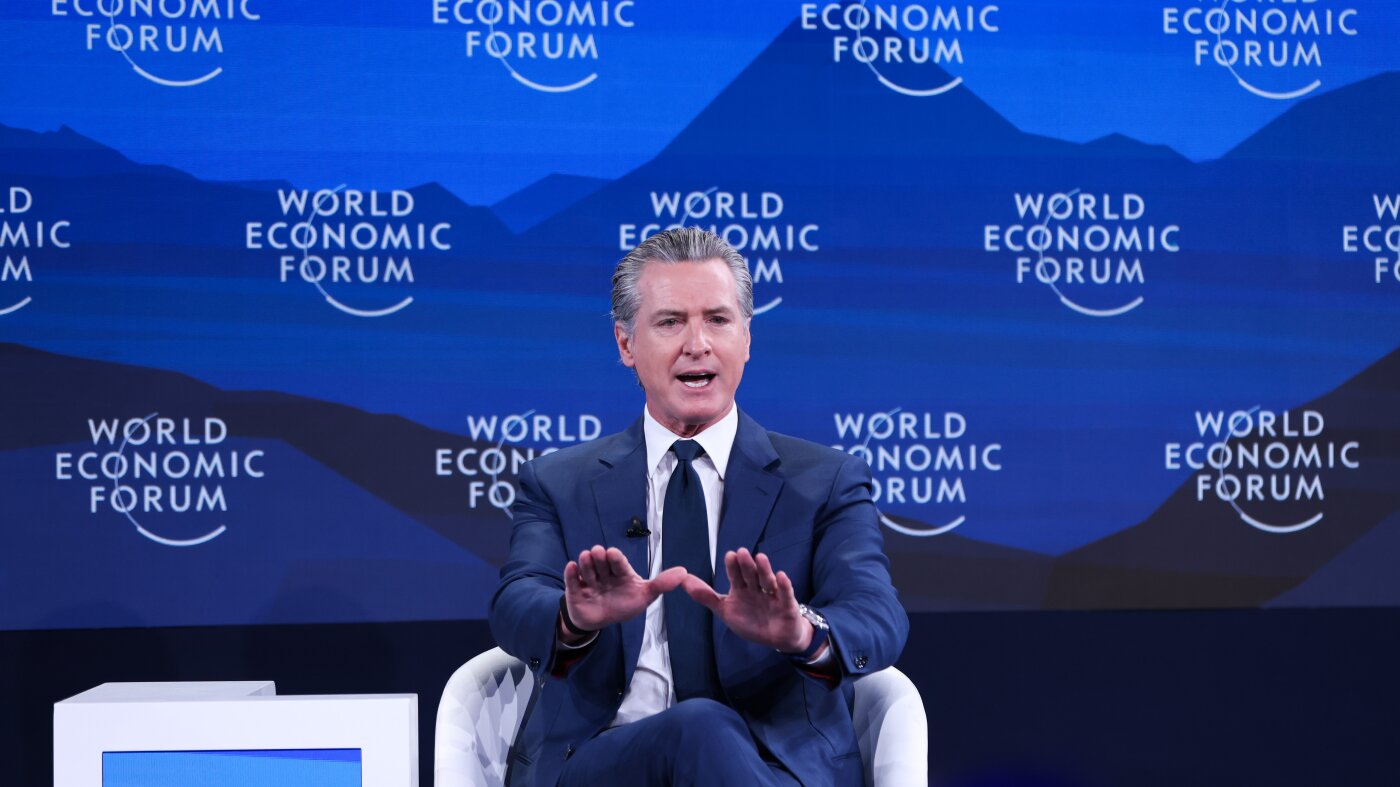
As the U.S. bids adieu to the World Health Organization, California says helloImage Credit: NPR News
Key Points
- •The Federal Position: The U.S. State Department confirmed the nation "will not be participating in regular WHO-led or managed events." The Department of Health and Human Services added that the U.S. is "charting its own course on global health engagement, grounded in accountability, transparency, and the expertise of America's public health institutions," primarily through direct agreements with individual countries. The administration has been firm that "States do not set U.S. foreign policy."
- •The State Response: California Governor Gavin Newsom characterized the federal withdrawal as a "reckless decision that will hurt all Californians and Americans." In a statement, he declared, "California will not bear witness to the chaos this decision will bring." The state is acting on this declaration by becoming the first sub-national government to join the WHO's Global Outbreak Alert & Response Network (GOARN).
- •Early Warning System: The state gains access to the WHO's Epidemic Intelligence from Open Sources (EIOS) platform. Dr. Pan notes this system "is continuously scanning global open sources for signals of outbreaks and health events," allowing the state to anticipate threats far earlier.
- •Global Coordination: California public health officials now participate in weekly calls with global experts to discuss health emergencies around the world, gaining insights that can inform state-level preparedness, from hospital capacity to public messaging.
- •Bridging an Information Gap: Dr. Pan highlights a "drop-off in federal health guidance," citing the lack of a national flu vaccination campaign as an example. GOARN participation is seen as a way to secure reliable, expert information directly from the source.
As the U.S. bids adieu to the World Health Organization, California says hello
In a significant break from federal policy, California is forging its own path in global health by partnering directly with a key World Health Organization network. The move comes as the U.S. administration formally withdraws from the WHO, creating a vacuum that the nation's most populous state is now seeking to fill, raising complex questions about public health strategy and the nature of American foreign policy.
This decision by California to independently engage with the international health community underscores a growing rift in the nation's approach to global pandemic preparedness and response.
A Tale of Two Policies: Federal Withdrawal vs. State Engagement
While Washington D.C. severs formal ties, Sacramento is dialing in. The divergence in strategy highlights a fundamental disagreement over the value of multilateral health organizations.
The Trump Administration has been unequivocal in its decision to leave the WHO, citing the organization's handling of the COVID-19 pandemic and a need for reform.
-
The Federal Position: The U.S. State Department confirmed the nation "will not be participating in regular WHO-led or managed events." The Department of Health and Human Services added that the U.S. is "charting its own course on global health engagement, grounded in accountability, transparency, and the expertise of America's public health institutions," primarily through direct agreements with individual countries. The administration has been firm that "States do not set U.S. foreign policy."
-
The State Response: California Governor Gavin Newsom characterized the federal withdrawal as a "reckless decision that will hurt all Californians and Americans." In a statement, he declared, "California will not bear witness to the chaos this decision will bring." The state is acting on this declaration by becoming the first sub-national government to join the WHO's Global Outbreak Alert & Response Network (GOARN).
Inside GOARN: How California Plugs into Global Health Intelligence
California's move does not grant it the status of a full WHO member state, a privilege reserved for national governments. Instead, it becomes a partner in a specific, highly influential network designed for rapid information sharing and response coordination.
GOARN was established in 2000 to prevent the kind of uncoordinated, slow response that hindered efforts against past outbreaks. It is a collaborative of over 350 technical institutions, non-profits, academic centers, and government bodies worldwide.
Dr. Erica Pan, acting director of the California Department of Public Health, says the partnership provides direct access to critical intelligence that is no longer being systematically provided by the federal government.
The benefits for California are immediate and tangible:
-
Early Warning System: The state gains access to the WHO's Epidemic Intelligence from Open Sources (EIOS) platform. Dr. Pan notes this system "is continuously scanning global open sources for signals of outbreaks and health events," allowing the state to anticipate threats far earlier.
-
Global Coordination: California public health officials now participate in weekly calls with global experts to discuss health emergencies around the world, gaining insights that can inform state-level preparedness, from hospital capacity to public messaging.
-
Bridging an Information Gap: Dr. Pan highlights a "drop-off in federal health guidance," citing the lack of a national flu vaccination campaign as an example. GOARN participation is seen as a way to secure reliable, expert information directly from the source.
A Broader Trend: States Filling a Federal Vacuum
California's action is not an isolated incident but rather the leading edge of a larger trend. Officials in Illinois have already announced they are "making preparations" to follow suit, and Dr. Pan confirms she has been in contact with other states interested in joining.
This shift reflects a growing willingness by states to take on responsibilities traditionally handled at the federal level, particularly when state leaders perceive a lack of federal action or a divergence in policy.
"The federal government has reneged on its public health protection responsibilities, and you're seeing states taking steps so they still are part of the international response to outbreaks and emerging threats," said Dr. Gavin Yamey, a professor of global health and public policy at Duke University. He calls California's move a "very smart and savvy play."
Pragmatism or Politics? The Debate Over Strategy
While proponents see California's engagement as a necessary step for public health security, the move is not without its critics and skeptics, who question its efficacy and motives.
Interestingly, some of the most nuanced analysis comes from conservative thinkers who, while critical of the WHO, see the value in selective engagement.
-
The Case for Information Access: Brett Schaefer, a senior fellow at the American Enterprise Institute, argues that even during a U.S. withdrawal, the government should maintain access to WHO platforms like EIOS "to make sure that you have full, robust access to the information."
-
The Inefficiency of Duplication: Schaefer notes that for the U.S. to replicate a global intelligence network of this scale would be "a very difficult thing" and "somewhat inefficient." This suggests that from a purely financial and logistical standpoint, leveraging the existing WHO infrastructure is more practical than building a new one from scratch.
-
The Skeptical View: While acknowledging the strategic logic, Schaefer remains circumspect about California's specific action, suggesting "it also could just be a PR stunt by Newsom." He notes that the WHO has not yet formally clarified California's status, leaving the ultimate impact "unclear at this point."
The Bottom Line: A Fragmented Future
California's decision to join GOARN marks a pivotal moment in the landscape of U.S. public health. It creates a patchwork system where a state with an economy larger than most countries is operating its own foreign health policy in parallel—and at times in opposition—to the federal government.
This new reality presents both opportunities and profound risks, setting the stage for a critical test of a decentralized national response to global threats.
What to Watch
-
State Coalitions: The key question is whether other major states will follow California and Illinois, potentially forming a sub-national bloc that collectively engages with international health bodies.
-
The WHO's Diplomatic Dance: The World Health Organization must now navigate the delicate politics of partnering with a U.S. state while its formal relationship with the U.S. federal government is severed. Its official response will be closely watched.
-
Federal Reaction: The administration has stated that states do not set foreign policy. It remains to be seen if it will take any concrete action to challenge or limit California's international health engagements.
-
The Next Outbreak: The ultimate measure of this fragmented strategy will come during the next major public health emergency. The world will be watching to see if this dual-track system proves resilient or reveals critical, and potentially tragic, gaps in America's defenses.
Source: NPR News
Related Articles
ARRY Stock Sinks Despite Market Gains: What to Know
Array Technologies (ARRY) stock declined 2.5% in the latest session, contrasting with market gains. Find out why the solar stock fell and what it means for inve
India and the EU clinch the 'mother of all deals' in a histo
Jay Vine Wins Tour Down Under 2026 After Kangaroo Crash
Australian cyclist Jay Vine secures the overall victory at the 2026 Tour Down Under despite a dramatic final-stage crash involving a kangaroo.
Trump's New Defense Strategy: Allies Must Fund Own Security
The Trump administration's new National Defense Strategy realigns US policy, demanding allies assume primary responsibility for their own security and defense c