China’s Devalued Yuan: Is a New Global Trade War Brewing?
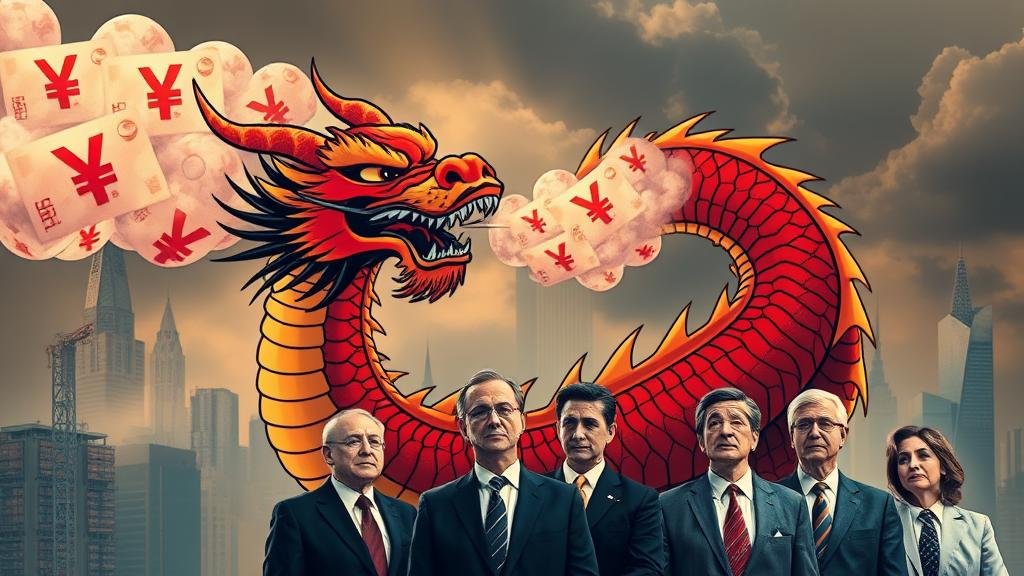
Let’s address the dragon in the room—not a scene from House of the Dragon, but the economic powerhouse of China. Its currency, the yuan, has been experiencing a significant devaluation, making it so weak that the Chamber of Commerce is raising alarms. They fear this “Dragon’s Devalued Breath” could ignite a new global trade war.
While “international currency policy” might not be your typical lunch-break read, it’s a high-level economic issue with the potential to directly impact your finances. Let’s unpack the implications of the weakening yuan before the situation escalates.
The Power of a Weak Currency: Econ 101 Revisited
Understanding the global apprehension requires grasping one core concept: a “weak” currency is essentially a national discount.
For instance, if you’re in the U.S. buying goods from a Chinese website, a weaker yuan means your dollars have more purchasing power. A $50 item might now cost you only $40. This currency devaluation has two major consequences:
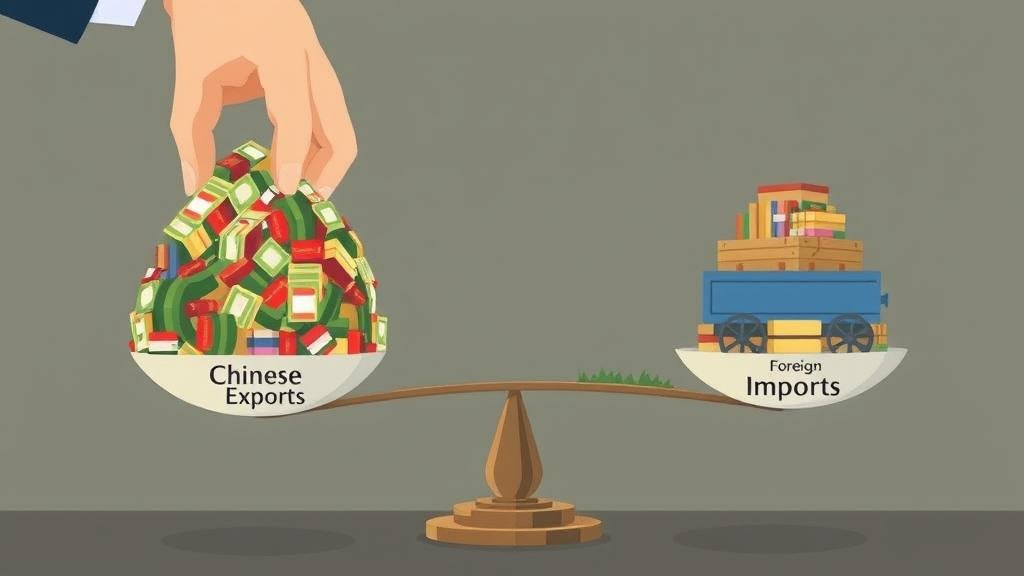
- Cheaper Exports: Chinese goods become more attractive globally, boosting China’s export business.
- More Expensive Imports: For consumers in China, foreign products like an American-made iPhone become more expensive in yuan, discouraging imports.
A weak currency acts as a subsidy for exports and a tax on imports. While all currencies fluctuate, the controversy surrounding the yuan stems from the fact that its value is not determined by free-market forces alone.
China’s “Managed” Currency and Allegations of Manipulation
Unlike the U.S. dollar, which floats freely, the yuan is tightly controlled by the People’s Bank of China (PBOC). The central bank sets a daily “band” within which the currency can trade, a practice that has drawn criticism for years.
Critics accuse Beijing of intentionally keeping the yuan artificially weak to give its exporters a competitive advantage—a practice known as “currency manipulation.” This is akin to using a cheat code in the global trade game.
The current situation is intensifying these concerns. One report highlights that China’s currency is depreciating faster than that of its trading partners. Coinciding with this trend is a massive surge in Chinese exports. Despite existing tariffs, China’s trade surplus has exceeded $1 trillion for the first time, suggesting the weak currency is effectively neutralizing these trade barriers.
The Chamber of Commerce Warns of a Tit-for-Tat Cycle
The Chamber of Commerce is sounding the alarm, fearing a repeat of past trade conflicts. When U.S. and European companies struggle to compete with a flood of cheap Chinese goods, they turn to politicians for relief, creating pressure for retaliatory measures.
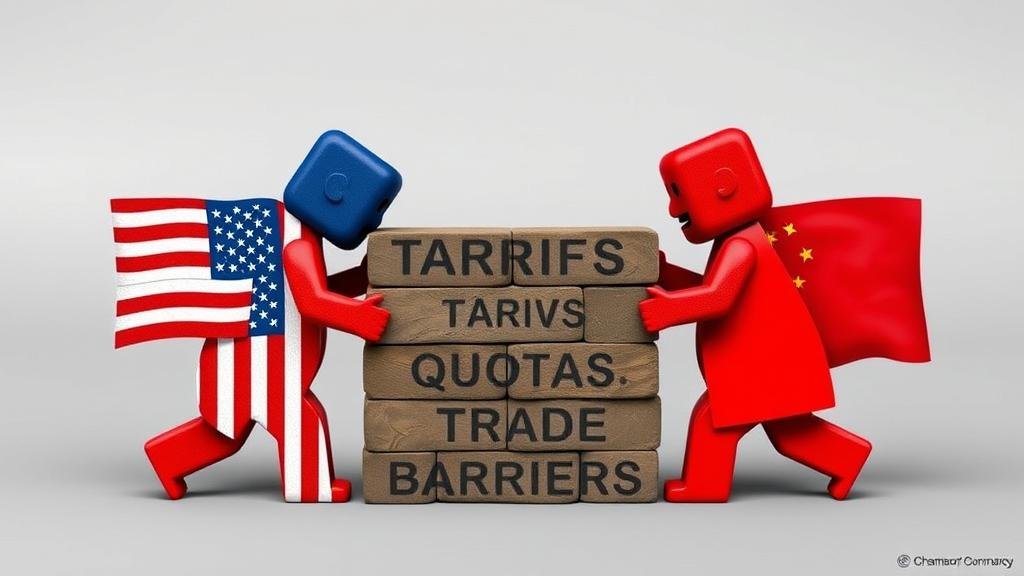
This can trigger a tit-for-tat cycle of protectionist policies, potentially spiraling into a full-blown trade war. Such measures could include:
- More Tariffs: Additional taxes on a wide range of goods, from electronics to solar panels.
- Import Quotas: Limits on the quantity of Chinese-made products allowed into a country.
- “Anti-Dumping” Investigations: Formal inquiries to determine if China is selling goods below their production cost.
A trade war is a messy affair that disrupts businesses and often leads to higher prices for consumers.
A Precarious Global Economic Climate
The timing of this potential conflict is particularly troubling. Western economies are already navigating a precarious landscape of high inflation, rising interest rates, and recession fears. A surge of cheap Chinese imports presents a double-edged sword.
On one hand, it offers relief to consumers facing squeezed budgets. On the other, it threatens local manufacturing and jobs, creating a political dilemma.
From Beijing’s perspective, a weak yuan may be a necessary tool to stimulate its own economy, which is contending with a struggling property market and weak consumer demand. However, when one country’s solution becomes another’s problem, conflict is inevitable.
What This Means for You
The implications of a potential trade war are far-reaching:
- For Consumers: Tariffs imposed on Chinese goods are often passed down to the consumer, making many everyday products more expensive.
- For Businesses: Companies relying on Chinese components face supply chain disruptions, while those competing with Chinese goods face immense pressure.
- For Investors: Trade wars create market uncertainty that can lead to stock market volatility, particularly for companies with significant exposure to China.
Navigating a High-Stakes Economic Game
The global community is watching a tense game of economic Jenga. The Chamber of Commerce’s warning underscores the risk that one wrong move could destabilize the entire structure.
Resolving this issue will require careful diplomatic negotiations and an understanding that in a hyper-connected world, protectionist measures can be self-defeating.
For now, remember that the “Dragon’s Breath” is more than just a headline—it’s a potential storm on the economic horizon, and its effects will be felt in your daily financial life.