China’s Tech Giants Pivot: A Global SEO Strategy for the Southeast Asian Gold Rush
You know how in every high school movie there’s a dramatic falling out between the two most popular kids, and suddenly the whole social landscape shifts? That’s the US-China tech scene right now, but with fewer proms and way more microchips. As Washington plays gatekeeper with its best tech, giants like Alibaba and ByteDance are making a classic pivot. They’re shifting their global SEO strategy, packing their bags, and heading to the coolest new party in town: Southeast Asia.
Let’s be real, this isn’t just about finding a new lunch table. It’s a full-blown strategic glow-up. While escaping geopolitical drama is a perk, the real prize is a booming e-commerce market of over 650 million people ready to click, swipe, and shop.

The Great Wall of Technology: Or, “No More Chips For You!”
For a while now, the U.S. has put China’s tech industry on a strict ‘no-sugar’ diet, cutting off access to high-end semiconductors and AI tech. The official reason is “national security,” which left companies like Alibaba and ByteDance in a tough spot. Their empires of e-commerce and cat videos run on powerful data centers, and the best hardware was suddenly off-limits.
This forced them to get creative. They’re now scrambling for new suppliers and, in some cases, developing their own tech. It’s a massive push for self-sufficiency and a fundamental shift in their approach to technical SEO as they move from a world dominated by Baidu to one run by Google.

Southeast Asia: Welcome to the Digital Gold Rush
While the US is the club with the velvet rope, Southeast Asia is the all-access music festival with a guest list of 650 million. The region is buzzing with a young, phone-obsessed population, and its digital economy is exploding. That e-commerce market alone is set to hit a jaw-dropping US$370 billion by 2030.
Let me say that again for the people in the back: $370 billion. This is why when Tencent, Alibaba, and ByteDance throw billions at the region, it’s not just an escape plan. For them, Southeast Asia isn’t Plan B; it’s the season premiere everyone’s been waiting for. Success here means mastering multilingual content and localized keywords, targeting everything from “Songkran festival deals” in Thailand to “Hari Raya discounts” in Malaysia.

Alibaba’s Playbook: The OG of Going Abroad
Alibaba is no newbie. They’ve been in Southeast Asia for years via their e-commerce platform Lazada. But now, they’re not just hanging out; they’re moving in and redecorating.
Here’s their master plan:
- The Digital Shopping Cart Wars: Lazada is still the crown jewel, going head-to-head with rivals like Shopee, focusing on logistics and seamless payments.
- Getting Their Head in the Clouds (Literally): With every business going digital, the demand for cloud services is on fire. Alibaba Cloud is racing to build data centers across the region to host it all.
- Trying Not to Be the Cringey Tourist: Alibaba knows what works in Beijing might not work in Bangkok. They’re hiring local talent, tailoring services, and building authority backlinks by partnering with respected local businesses.
ByteDance’s Blitz: From Doomscrolling to Boom-Shopping
And then there’s ByteDance, the parent company of TikTok. With a ridiculously huge and loyal fanbase in Southeast Asia, ByteDance is brilliantly converting eyeballs into dollar signs through social commerce.
Their strategy is beautifully simple:
- The Rise of TikTok Shop: They’ve seamlessly woven a shopping tab into the TikTok experience, turning viral trends into instant impulse buys. One minute you’re watching a cat play a tiny piano, the next you’ve bought three sets of colorful Tupperware.
- Building the Digital Plumbing: To handle all this data—from dance challenges to delivery tracking—ByteDance is investing a fortune in local data centers. This not only makes the app smoother but also helps them navigate the region’s tangled data privacy laws.
Our Hot Take: The Two-Pronged Strategy for World Domination (Kinda)
This pivot to Southeast Asia is a masterclass in corporate judo. It’s both a brilliant escape plan and a genius get-rich-quicker scheme.
On one hand, it’s a defensive move. By not putting all their eggs in one geopolitical basket, they’re mitigating risk. But it’s also an aggressive offensive, a new global SEO strategy designed for conquest.
But let’s be real, it’s not all sunshine and satay. They’re walking into a street fight with tough local competitors and a dizzying number of different rules for each country. Winning here will take more than just a fat wallet; it’ll take genuine local savvy.
Conclusion: The New Center of Gravity
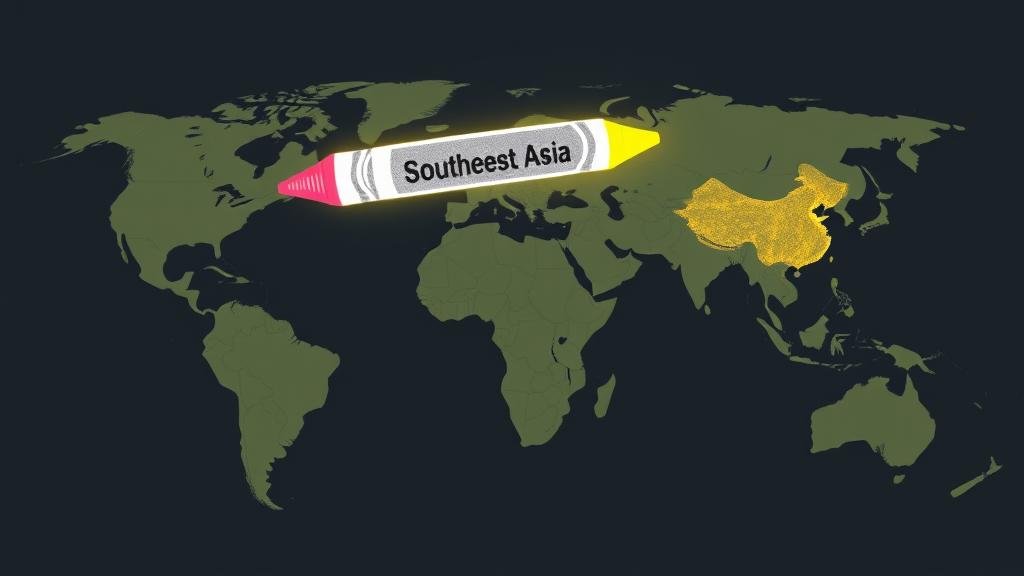
The world’s tech map is being redrawn, and Southeast Asia just grabbed the biggest crayon. The exodus of Chinese tech giants shows these companies aren’t just trying to survive; they’re actively finding new worlds to conquer.
For everyone in Southeast Asia, get ready for a future that’s faster, more connected, and fiercely competitive. It’s going to be one heck of a show to watch.