The Day Finance Stood Still: Anatomy of the 10-Hour CME Trading Halt
You know the scene in heist movies where the tech genius smashes their keyboard for three seconds and declares, “I’m in”? Well, recently, the global financial system had its own “…and we’re out” moment. Fortunes are made and lost in microseconds, a reality that’s both impressive and deeply stressful. But what happens when the high-speed engine of capitalism experiences a critical failure and takes an unscheduled, 10-hour nap?
On a day traders will recount for years, a “major fault” at a data center plunged the Chicago Mercantile Exchange (CME) into darkness. If the CME isn’t on your radar, just picture one of the largest financial playgrounds on Earth. This wasn’t a minor glitch; it was a full-blown power outage that froze trading on everything from stock futures to agricultural commodities.
This wasn’t a Hollywood script. It was a real-life crisis exposing the systemic risk inherent in our tech-dependent world. Here at Creditnewsinsider, we believe you don’t need a Wall Street address to understand these market-moving events. We’re about to dive into what went wrong, why it was a monumental deal, and the lessons in operational resilience we can learn from it.
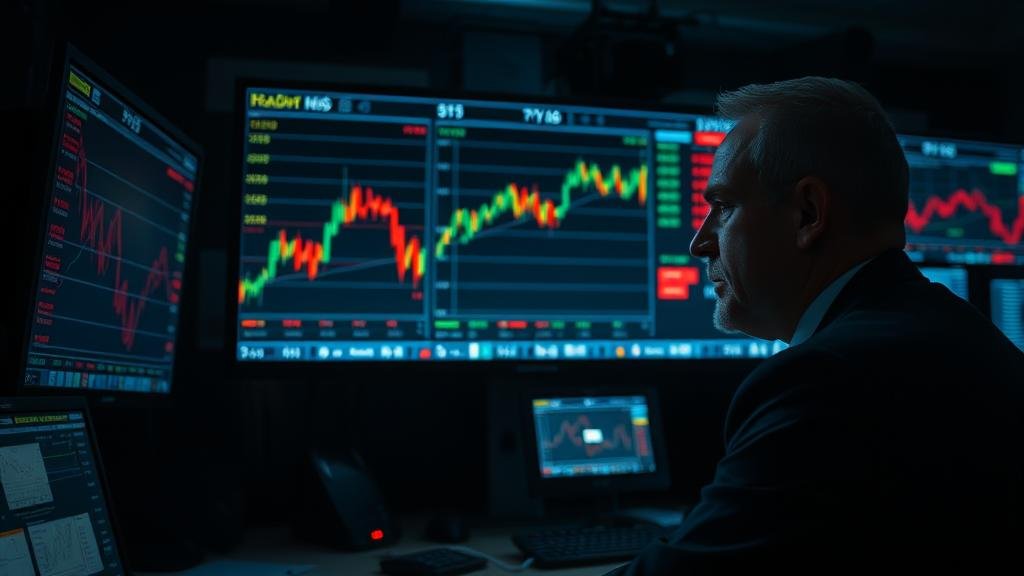
What Exactly Happened? A Look Inside the 10-Hour Blackout
The chaos began early. The CME’s Globex platform—the system’s digital brain that processes millions of trades—simply stopped. The official line was a “fault at a data center,” the corporate equivalent of saying your car has “an engine thing.”
The CME is a massive, global marketplace for futures contracts—agreements to buy something later at a predetermined price, whether it’s a stock index, a barrel of oil, or a bushel of corn. When the CME Globex platform went down, it was as if every checkout counter, stock room, and delivery truck at the world’s busiest Costco vanished simultaneously.
For over ten hours, a significant portion of the global derivatives market was on ice. This included:
- Equity Futures: Affecting key indexes like the S&P 500 and Nasdaq 100.
- Bond Futures: Crucial instruments for managing interest rate risk.
- Commodity Futures: Influencing the price of oil, gas, and agricultural products.
To escalate the panic, another key currency trading platform, EBS, also experienced an hours-long outage. It was, in no uncertain terms, an absolute mess that highlighted a major lapse in disaster recovery protocols.

The Ripple Effect: Confusion, Frustration, and a Market in Limbo
The immediate result was pure, unadulterated chaos. Imagine being a pilot and having your instruments go blank mid-flight. That was the reality for traders, who were “flying blind,” unable to manage their positions or react to market events. This kind of market volatility is a trader’s worst nightmare.
The prolonged silence from the CME only fueled anxiety. Was it a sophisticated cyberattack? Did an intern trip over a crucial power cord? The lack of information was nearly as damaging as the data center outage itself, leaving billions of dollars in limbo.
Hot take: “We’re investigating the issue” is one of the most terrifying phrases in the English language, whether it’s from your doctor or a global financial exchange responsible for financial stability.
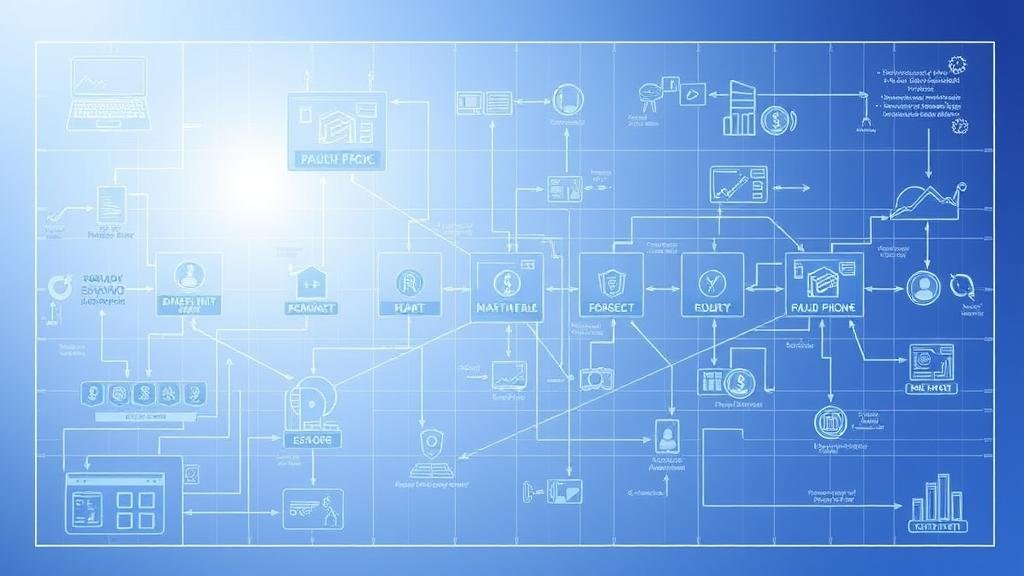
Data Centers: The Unseen Titans and Achilles’ Heel of Finance
This fiasco has thrust data centers—the anonymous, windowless buildings that power the modern world—into the spotlight. They are the physical home of the internet, fortified with servers and enough cooling power to create a polar vortex.
Financial data centers are designed to be digital fortresses, featuring redundant systems for power, cooling, and networks. For such a “foolproof” system to fail so spectacularly suggests that multiple layers of protection failed simultaneously. This incident is a stark reminder that for all our advanced risk management strategies, the entire system can be crippled by a single point of failure.
The Road to Recovery and Lingering Questions
After ten hours of what must have been the most stressful IT support call in history, the CME came back online. Bringing a system of this complexity back to life isn’t a simple reboot; it’s more like performing open-heart surgery.
The incident has left the industry grappling with critical questions about operational resilience:
- What was the precise point of failure, and why did the backup plans not work?
- What measures are being implemented to prevent a recurrence?
- How can communication be improved during a crisis to prevent widespread panic?
Regulators like the SEC will undoubtedly be investigating, putting every financial institution’s disaster recovery plan to the test.
A Wake-Up Call for the Entire Financial Ecosystem 🚨
This wasn’t just a tech oopsie; it was a fire alarm for the entire financial world, underscoring the “black swan” events that can derail even the soundest financial plans. It proves how, as finance becomes more digitized, it is exposed to novel and unpredictable risks.
For the industry, this is a moment for serious introspection. It demands greater investment in robust infrastructure and rigorous stress-testing of “what if” scenarios. Theory is good, but practice is what keeps the lights on and maintains financial market stability.
Building a More Resilient Financial Future
The 10-hour trading halt will be remembered as the day the machine sputtered. While the immediate crisis is over, the lessons must not be forgotten. The event demonstrated that our financial system, for all its sophistication, can be alarmingly fragile.
Moving forward, the conversation must shift from “what happened?” to “how do we prevent this from happening again?”. This requires a laser focus on technological resilience, greater transparency, and ensuring that those in charge have a better plan than “unplug it and plug it back in.”
Because in our hyper-connected world, a single data center failure can trigger a global financial headache.