CME Trading Outage: When the Heart of Finance Skips a Beat
Let’s unpack the moment the financial world held its breath, tripped over a server rack, and face-planted. On a tense Friday morning, the Chicago Mercantile Exchange (CME) – the digital heart of the global derivatives market – went dark. This wasn’t just a glitch in the system; it was a full-blown CME trading outage. Imagine the global engine of capitalism seizing mid-trade, affecting everything from FX and commodities to equity futures. We’re talking about a technical problem that silenced the planet’s central nervous system for money, putting trillions of dollars on hold. Here’s the story of what happens when the digital heart of finance skips a beat.
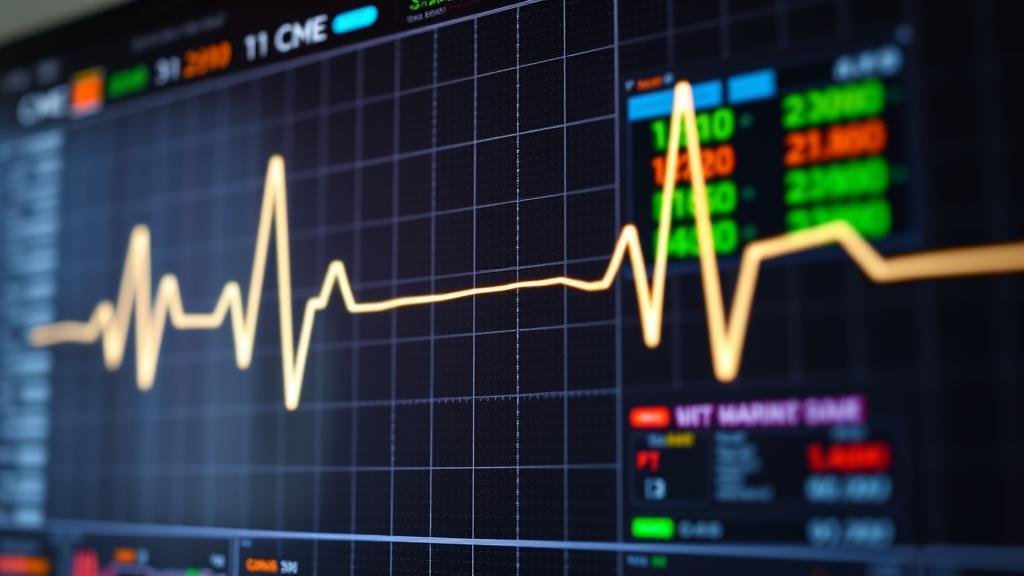
What Exactly Happened? Anatomy of a Shutdown
In the wee hours of Friday morning, the CME’s trading platforms went dark. While many assumed a cyber-attack, the official cause was a “technical problem” at a third-party data center. The impact of this CME futures outage was immediate, halting trading across the board:
- Equity Futures: The instruments traders use to speculate on future stock market movements.
- Treasury Futures: The market for betting on interest rate directions, including crucial US Treasury futures.
- Commodities: Affecting everything from oil to agricultural products.
- Foreign Exchange (FX): The high-stakes game of currency trading, where platforms like EBS saw significant disruption, hurting price discovery.
For hours, traders were left unable to manage risk, a situation that turned the fast-paced trading floor into a silent waiting room.
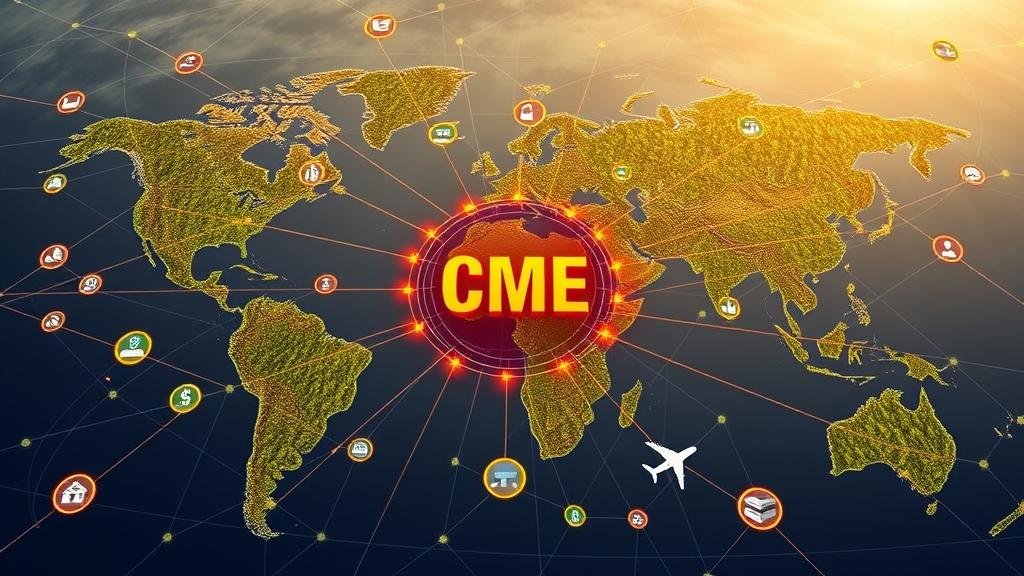
The CME: Why This Exchange Matters
To grasp the gravity of the CME trading outage, it’s essential to understand the CME’s role. It’s not just an exchange; it’s the world’s premier derivatives marketplace, a cornerstone of the financial markets. Think of it as a massive risk-management hub where:
- Farmers lock in prices for their crops.
- Airlines hedge against fluctuating fuel costs.
- Pension funds protect retirement savings from market volatility.
Every day, trillions of dollars flow through this system. When it goes down, it’s not a minor hiccup; it’s a systemic shock that disrupts the flow of capital and risk management across the global markets.
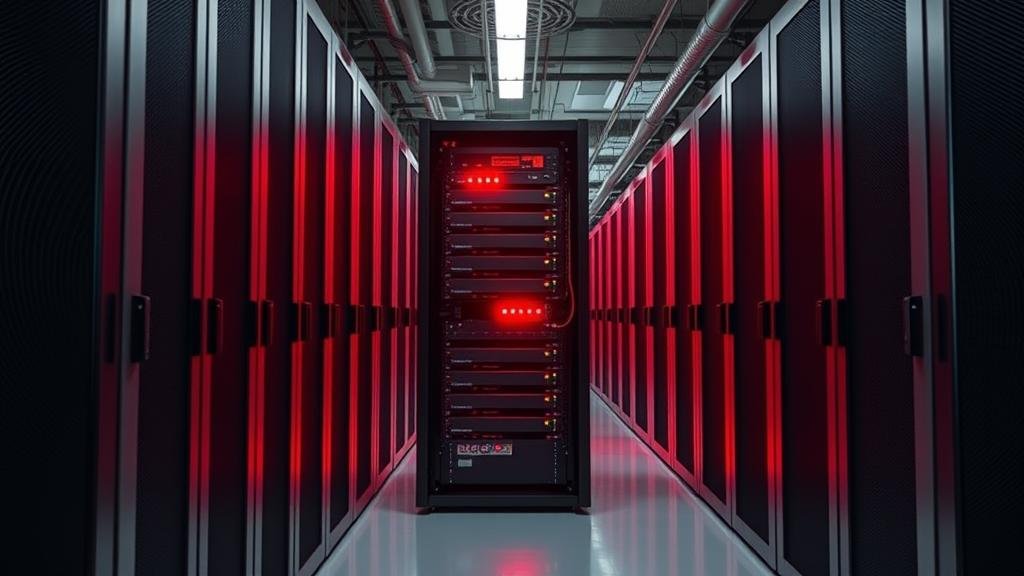
The Unseen Backbone: Our Reliance on Data Centers
This CME outage shines a spotlight on the unsung hero of modern finance: the data center. Modern trading floors are less about shouting traders and more about humming servers in secure facilities. Reports of a “cooling issue” at one of these third-party data centers highlight a critical vulnerability. The incident reveals that even with redundant systems, a single point of failure at an external vendor can bring down the entire financial market infrastructure. The push to outsource IT saves costs but introduces systemic risks, proving that the foundation of our digital economy is only as strong as its weakest link.
Ripple Effects and Lessons Learned
The CME futures outage was resolved, but the aftershocks are still being felt. This was one of the longest CME outages in years, and it has left the industry with critical lessons.
1. Panic on the Trading Desk
The immediate aftermath was chaos. Traders with open positions were flying blind, unable to manage risk. During such a trading halt, any major geopolitical event could have triggered catastrophic losses, underscoring the fragility of the financial markets.
2. Regulatory Scrutiny
Regulators like the CFTC are undoubtedly launching investigations. The incident will lead to tough questions about market stability, third-party vendor management, and the resilience of critical market infrastructure.
3. Diversifying a Single Point of Failure
This CME outage serves as a wake-up call for the industry to diversify its reliance on single vendors for critical infrastructure. The financial world received a stark reminder of the importance of robust disaster recovery plans and multi-vendor strategies to prevent another widespread trading disruption.
The Final Word: Technology Is a Fickle Friend
The CME trading halt is a powerful reminder that our advanced financial technology, for all its benefits, introduces new and complex risks. The very infrastructure designed to manage risk can become a source of systemic failure. The foundation of our financial markets is not just code; it’s physical hardware that can and does fail. This incident highlights the need for a deeper understanding of the technology that powers our global markets – because when it breaks, the consequences are felt everywhere.