Consumer Confidence Is in the Gutter: Here’s What It Means for Your Wallet
Let’s talk about consumer confidence. It’s not the feeling you get from a perfect parallel park—it’s a crucial measure of the economy’s health, and right now, it’s looking a bit grim. The latest numbers suggest a dip in optimism, and we’re here to break down what this economic mood swing means for your personal finance.
What Exactly Is Consumer Confidence?
Think of the Consumer Confidence Index (CCI) as the economy’s report card, graded by everyday people. Each month, The Conference Board surveys households about their financial situation and their outlook on the future.
When people feel secure and optimistic, they’re more likely to make big purchases—cars, homes, maybe that fancy coffee machine. This spending fuels economic growth. But when confidence drops, so does spending. People hold onto their money, which can lead to an economic slowdown. That’s why keeping an eye on consumer confidence is so important.
A Look at the Alarming Numbers
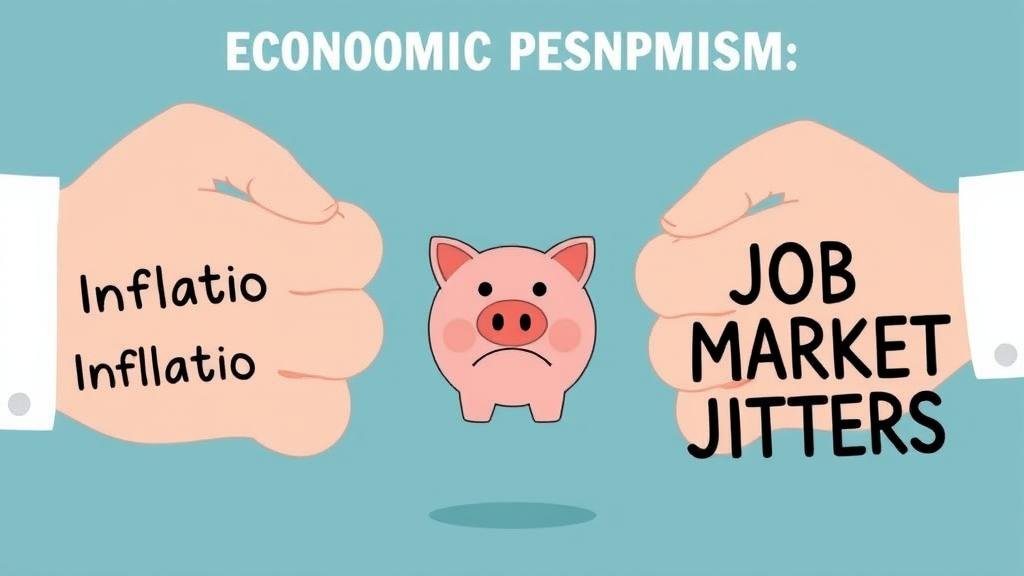
The recent Consumer Confidence Index report wasn’t exactly cheerful. It showed a significant drop, reaching its second-lowest point since the pandemic began. This isn’t just a statistic; it reflects the real-world anxiety millions of people are feeling about their finances. Two main culprits are behind this wave of economic pessimism: persistent inflation and an uncertain job market.
Inflation: The Unwanted Guest
High inflation has been a major concern for two years. Even though the rate of price increases has slowed, the cumulative impact on the cost of living is undeniable. Paychecks don’t stretch as far as they used to, and the high price of essentials like groceries and housing is putting a strain on budgets. This constant financial pressure is a primary driver of low consumer confidence.
Job Market Jitters and Future Worries
The once-booming job market provided a sense of security that has started to fade. Hiring has slowed, and reports of layoffs are becoming more common. This shift is creating anxiety about job security and future income, making people hesitant to spend. When you’re worried about your career, you’re less likely to splurge on non-essentials, contributing to a broader spending slowdown.
Political Uncertainty Adds to the Mix
On top of economic concerns, political instability, like the recent threat of a government shutdown, adds another layer of uncertainty. This “will they or won’t they” drama makes it difficult for anyone to feel secure about the future, further dampening economic optimism.
How This Affects Your Personal Finance
So, why does a national dip in confidence matter to you?
- Potential for an Economic Slowdown: Less confidence leads to less spending, which could slow the entire economy. If the trend continues, it might even increase the risk of a recession.
- Tighter Credit Conditions: In uncertain times, people are warier of taking on new debt. This means fewer applications for mortgages, auto loans, and credit cards. Lenders may also become more selective.
- Time to Focus on Your Budget: This is a clear signal to get your financial house in order. It’s the perfect time to review your budget, identify areas to cut back, and improve your saving habits.
How to Protect Your Finances
While the outlook may seem gloomy, you can take steps to navigate these challenges effectively.
- Stay Informed: Understanding the economic landscape helps you make smarter financial decisions.
- Master Your Budget: If you don’t have a budget, now is the time to create one. Track your income and expenses to see where your money is going.
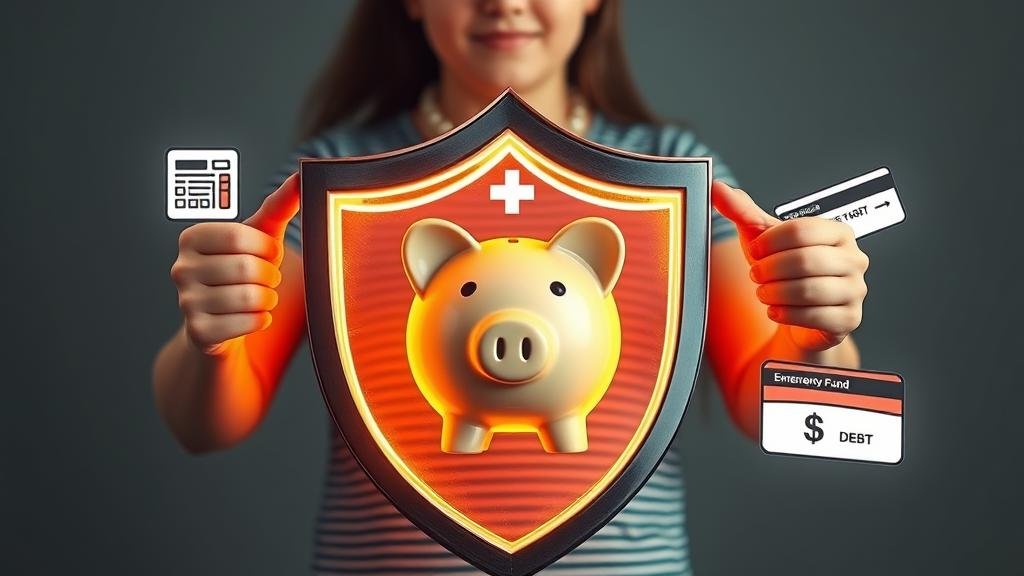
- Build Your Emergency Fund: Aim to have 3-6 months of living expenses saved in an emergency fund. This provides a crucial safety net for unexpected events.
- Pay Down High-Interest Debt: If you have credit card debt, create a plan to tackle it. Reducing high-interest debt is one of the best investments you can make in your financial future.
The drop in consumer confidence highlights the financial strain people are feeling. But by staying informed, managing your budget, and building your savings, you can navigate this period of uncertainty and emerge financially stronger.