From Ninjas to Prophets: The Surprising SEO Power of Creative Job Titles
Have you scrolled through LinkedIn lately? It feels less like a professional network and more like a superhero movie cast list. Among the “Analysts” and “Managers,” you now have “Digital Prophets,” “Growth Hackers,” and the ever-popular “Chief Happiness Officer.”
Is this just a glow-up for corporate jargon, or a serious strategy? When a “Data Wrangler” is just an analyst with a theoretical cowboy hat, are we seeing a fad or the future of employer branding? This isn’t just quirky; it’s where company culture, branding, and psychology collide. So, let’s dive into this weird world, from Disney’s magic-makers to Amazon’s… ninjas?

The OG Influencers: How Disney’s ‘Imagineers’ Wrote the Rulebook
Long before startups decided their receptionists were “Directors of First Impressions,” Disney mastered the art of the job title. In the 1950s, Walt Disney needed people who could build a fantasy world from concrete and steel. He needed more than architects and more than artists. He needed both in one brain.
And so, the “Imagineer” was born—a blend of “imagination” and “engineer.”
This wasn’t just a cute name; it was a mission statement. It perfectly defined the role and did two brilliant things:
- It Defined a Culture: The name set an incredibly high bar for innovation. You can’t be an “Imagineer” and just phone it in.
- It Became a Recruitment Magnet: For decades, this creative job title has attracted the world’s most brilliant minds in design, tech, and storytelling.

The Trend Goes Mainstream: From Sandwich Artists to Coding Ninjas
What Disney started, the rest of the world copied. Subway calling its staff “Sandwich Artists” was the moment most of us noticed. The tech industry, naturally, took this and sprinted. The “ninja coder” at places like Amazon paints a picture of a keyboard warrior who crushes bugs with silent, deadly efficiency. Let’s be real, “Ninja Coder” is way cooler than “Software Engineer Level III.”
This is a deliberate strategy, a form of SEO for job postings that makes a role stand out. We see it everywhere:
- Director of First Impressions: The receptionist dealing with the delivery guy who sees you in sweatpants too often.
- Brand Evangelist: A marketing specialist preaching the company gospel. Hallelujah!
- Chief Inspiration Officer: The person keeping morale up, likely with pep talks and free donuts.
The Allure of the Unconventional: Why It’s More Than Just Hype
Companies aren’t just doing this to sound hip. There are real bottom-line benefits. The Harvard Business Review even found that creative titles can “energize workers” and improve retention.
For the Company: A Strategic Edge
- Stand-Out Employer Branding: In a crowded market, “Ethical Hacker” grabs attention. It signals a vibrant workplace culture.
- Cultural Reinforcement: A “Happiness Hero” is constantly reminded their job is to make customers happy. It’s built into the identity.
- Talent Acquisition: “Imagineer” attracts creatives. “Data Wrangler” attracts data scientists. The right job title keywords act as a recruitment magnet.
For the Employee: A Psychological Boost
- Sense of Empowerment: “Marketing Rockstar” feels a lot better than being cog #7,832 in a corporate machine.
- Reduces Burnout: The HBR study found that when employees help create their own titles, emotional exhaustion is reduced.
- Reframing the Role: A “Sanitation Worker” might feel overlooked. An “Environmental Services Technician” sounds like a guardian of public health. Same job, different energy.
When It Backfires: The Hidden Pitfalls
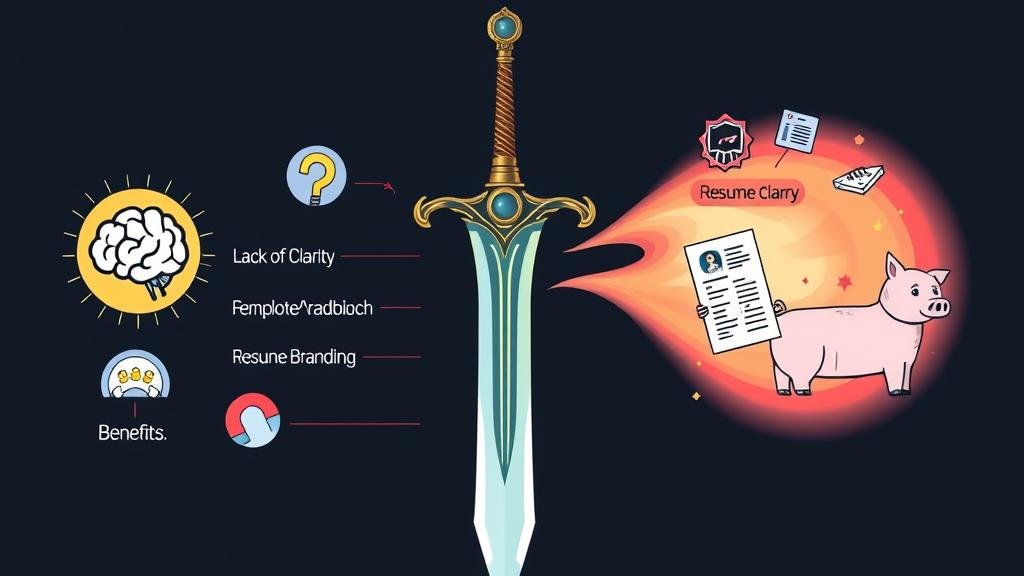
Before you change your title to “Supreme Chancellor of Spreadsheets,” let’s talk about the dark side. Because when this goes wrong, it goes spectacularly wrong.
The Clarity Conundrum
What does a “Digital Overlord” actually do? If your clients and team don’t know, your title is just confusing noise. To optimize job descriptions, clarity is key.
The Resume Roadblock
You were a “Marketing Rockstar” for five years. Now, at a traditional company, the hiring manager’s eyes glaze over. Your cool title has become a career-stalling liability because it lacks clear industry-standard job title keywords.
Lipstick on a Pig
Hot take: Sometimes, a fancy title is just a shiny distraction from low pay or a toxic work environment. A “Brand Warrior” title is free. A 10% raise and good work-life balance are not.

Finding the Sweet Spot: Making Creative Titles Meaningful
A title can’t just be a gimmick. It needs three things to work:
- Function Must Meet Form: The best titles, like “Ethical Hacker,” clarify what the person does.
- Align with Authentic Culture: If your company is formal, calling people “Ninjas” will feel phony. It has to be real.
- Consider a Dual-Title System: This is the brilliant compromise. Internally, you’re the “Lead Storyteller.” On LinkedIn, you’re the “Content Strategy Manager.” You get the culture and the career mobility.
Conclusion: It’s What You Do That Matters
The corporate world is changing. Companies know they need to offer a mission, not just a job, to attract top talent. A creative job title can be a powerful part of that mission. But the magic isn’t in the label; it’s in the substance. Being an Imagineer is cool because you build roller coasters, not just because of the name. Whether you’re a “Financial Analyst” or a “Numbers Guru,” your real worth comes from your skill and impact. No amount of glitter can make a meaningless job feel meaningful.