The Art of Digital Decluttering: A Guide to a Healthier Tech Life
In an age where our lives are increasingly intertwined with technology, the digital clutter we accumulate can be as stressful as a messy room. Unread emails, a desktop littered with icons, and endless notifications all contribute to a sense of digital overload. This is where the art of digital decluttering comes in—a mindful practice of organizing your digital space to improve focus, productivity, and mental well-being.

Your Digital Headquarters: Email & Desktop
Start with your digital headquarters: your email inbox and your desktop. For email, embrace the ‘inbox zero’ philosophy. Unsubscribe ruthlessly from newsletters you never read, create filters to automatically sort incoming mail, and make a habit of processing emails immediately—either by replying, archiving, or deleting. For your desktop, create a simple folder system. A few top-level folders like ‘Work,’ ‘Personal,’ and ‘To Sort’ can work wonders. The goal isn’t just to hide the mess, but to create a system that’s easy to maintain.
Tackling Your Files and Photos
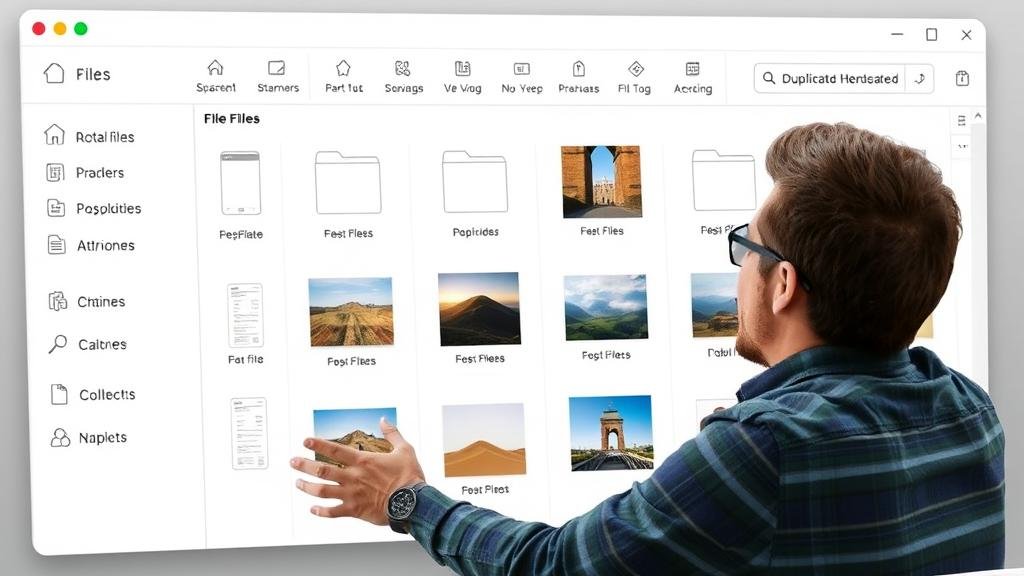
Next, tackle your files and photos. Cloud storage is a great tool, but it can become a digital dumping ground. Schedule time to go through your folders, deleting duplicates and organizing files into a logical structure. This not only frees up space but makes it infinitely easier to find what you’re looking for later.
Curate Your Apps and Notifications
Finally, curate your apps and notifications. Go through your smartphone and delete any apps you haven’t used in the last few months. For the apps you keep, be intentional about notifications. Turn off all non-essential alerts. Do you really need a banner to tell you someone liked your photo? Probably not. A calmer digital environment allows for deeper focus and less anxiety.
Decluttering is an Ongoing Habit
Digital decluttering isn’t a one-time fix; it’s an ongoing habit. By regularly tidying up your digital world, you create a more intentional and peaceful relationship with technology, allowing it to be a tool that serves you, not one that overwhelms you.